

8 min read
Can your wedding ring be engraved, and what should you check first?
Most wedding rings can be engraved, but the right method depends on the band itself. Ring width, internal space, metal, stones, finish and future sizing all affect what will work. Simple dates or initials are usually easier than handwriting, fingerprints or decorative engraving.

That is the main trade-off couples need to know. The message matters, and the ring decides how much room we have and which method gives a clean result. A wide plain band gives us far more freedom than a very narrow diamond-set band with little uninterrupted surface.
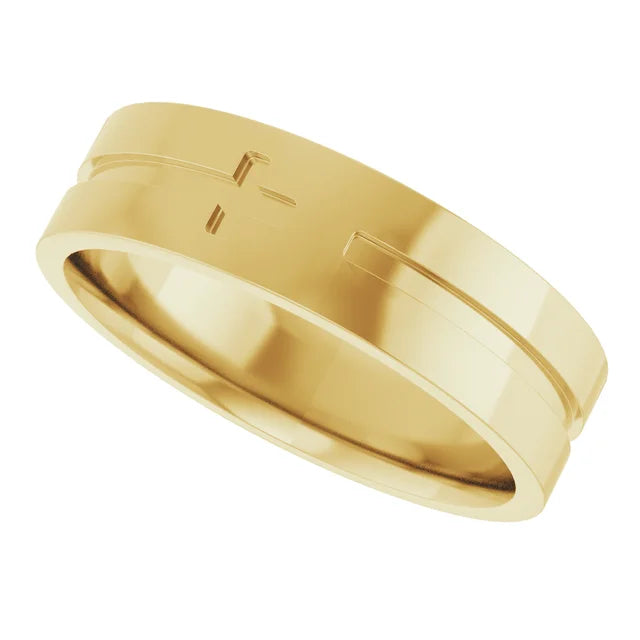
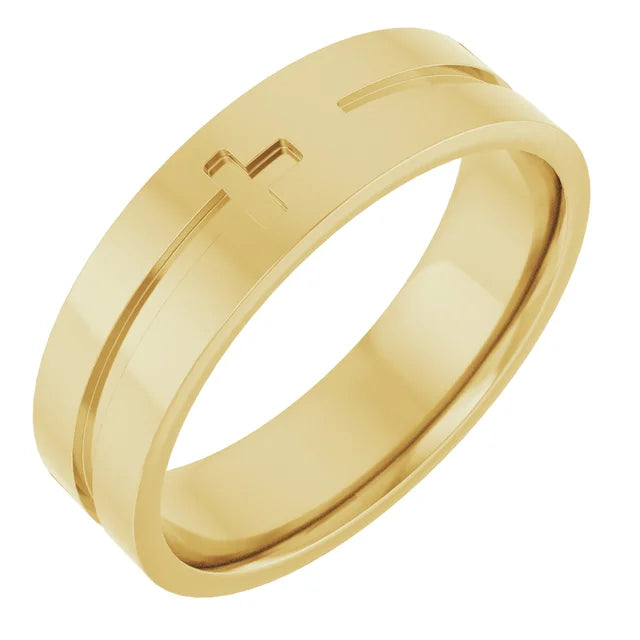
Inside ring engraving is the usual choice because it keeps the inscription private and protected. Outer-band engraving is also possible on some rings, especially with laser or hand work, though the surface finish and design need closer thought.
We treat engraving as part of the ring decision rather than a small add-on at the end. Once the band, size and wording are looked at together, the options become much clearer.
In This Article
Why the engraving method changes the price
Ring engraving prices change because machine, laser and hand engraving do different jobs. Published UK examples put simple machine engraving from £24 per ring, laser engraving from £35 to £48 per ring, and hand engraving from £52 to £80 per ring before bespoke patterns or detailed design work.
The table below compares the three main methods by what each one suits and what it typically starts at.
Machine engraving is usually the simplest route for plain text inside a wedding band. It is a good fit when the band has enough width and the message is short.
Laser engraving gives more control over fine detail. If you want a fingerprint, handwriting, a symbol or engraving on the outside of the ring, laser is often the method we would discuss first.
Hand engraving is different again. A hand engraved wedding ring is cut by a skilled engraver using specialist tools, so it suits decorative work and has a different price structure from a straightforward date inside a band. Each method suits a different kind of result.
Price rises when the design needs extra preparation. A fingerprint has to be made readable at ring scale, handwriting needs careful placement, and outer-band work has to sit properly with the finish of the ring.
The wording that will actually fit
A long phrase often becomes stronger when it is edited down to initials and a date. A ring is a small curved surface, so wording that looks modest on a screen can become cramped once it is placed inside a band.
Pro Tip
If a ring may need resizing later, settle the size first and approve the engraving after that. This avoids placing the wording where it may be disturbed.
Around 30 characters is a useful working guide for many wedding ring engravings, though finger size and diamond placement change the answer. A small ring gives less internal length, and stones can break up the clear space.
Practical wording choices include:
- Initials and a date work well because they stay clear at small scale and suit most simple inside ring engraving.
- A short phrase can work if the band has enough width and the font remains readable.
- Symbols suit laser engraving when the shape is simple enough to hold detail.
- Handwriting needs more care because natural handwriting can become too fine or uneven once reduced.
- Fingerprints are usually a laser engraving discussion, because the detail has to be handled with precision.
Very fine wedding bands need restraint. If a ring is narrow, a small inscription will usually read better than a crowded line of text.
Before an engraving is approved, we like to see the wording as a layout rather than as an idea on its own. Spacing, font size and placement decide whether the message will still be clear in daily wear.
Why some rings are awkward to engrave
A difficult ring may still be engravable, and a possible engraving may still be a poor fit. The sensible answer comes from the ring's width, metal, stone setting and surface.
Need expert jewellery care or repairs?
Get in Touch
At The Diamond Setter, we assess the ring itself before advising on engraving because the same inscription can behave differently on two bands. Our onsite Tunbridge Wells workshop means we can look at the band and the engraving suitability together. This is especially useful for bespoke wedding bands and rings that need repair or resizing as well.
Narrow bands are the first thing we check. A 3mm width is a commonly quoted minimum guide for engraving, and very fine rings can leave too little room for a legible inscription. Even if letters can physically fit, the result has to be readable enough to be worth doing.
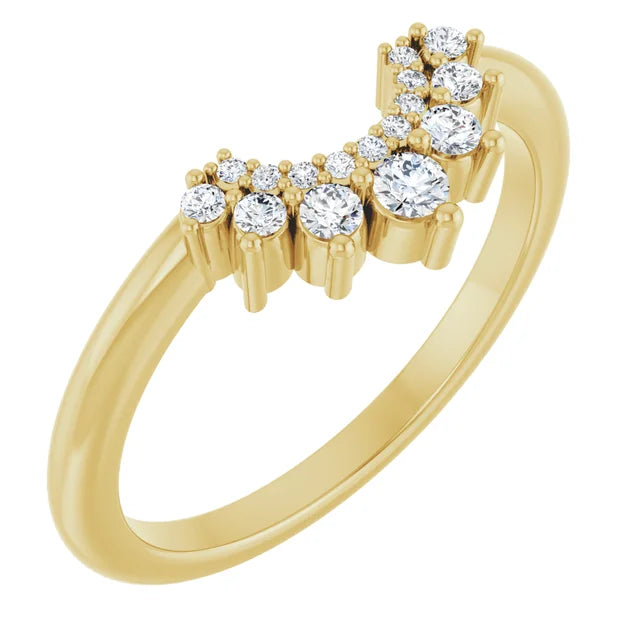
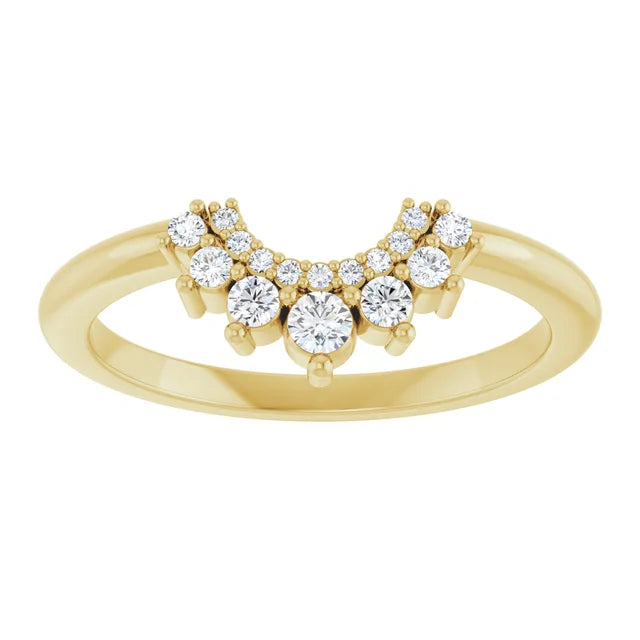
Stone placement changes the inside space too. Full eternity rings, heavy patterns, filigree and bands with stones around the whole ring may not leave a clean run for text. A diamond wedding band can still be engraved in some cases, though the available space may be shorter than you expect.
Metal also matters. Gold and platinum are generally straightforward for traditional engraving methods. Dense metals such as tungsten, cobalt and stainless steel need method-specific advice, and laser engraving is often the more suitable discussion for tungsten carbide. Titanium is not automatically ruled out either, though it needs enough internal space and careful sizing because it cannot be resized by traditional methods.
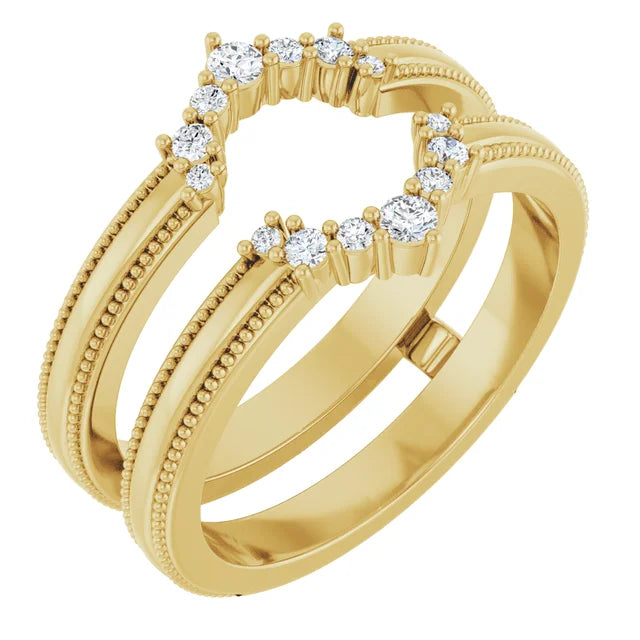
Surface finish deserves a final look. A polished plain band gives a very different starting point from a textured or patterned ring. We judge the ring before we judge the inscription, because the material and surface decide how clean the finished engraving can be.
The timing matters more than couples expect
When the size is still uncertain, engraving should wait until the sizing plan has been agreed. Engraving can often be added after a ring has been made, and resizing later can disturb placement or mean extra work, depending on the band.
Pro Tip
For slim bands, reduce the wording early and check the layout on the actual ring width. A short inscription often reads more cleanly than a crowded line.
For gold and platinum rings, resizing is part of normal workshop discussion. With alternative metals, the decision needs more care because some cannot be resized in the same way. If your finger size is still being checked, we would rather settle that before approving a message that may sit in the wrong place later.
Timing also changes with the method. Laser engraving can be quicker than hand engraving, and one UK workshop guide gives typical readiness at around 4 weeks after the workshop date for laser engraving and 6 weeks or more for hand engraving. Your own timescale will depend on the work being done, so hand work is the one to raise early if your wedding date is close.
Returns need a brief mention because engraving makes a ring personal to you. GOV.UK says online, mail and telephone order customers normally have a limited cancellation right, and personalised or custom-made items are an exception unless faulty. That point matters most if you are ordering engraved rings remotely, and it is one reason to confirm wording, spelling and sizing carefully before approval.
The safest sequence is simple: settle the ring size, agree the engraving method, check the layout, then approve the work.
The right engraving choice starts with the ring
By the time couples ask about engraving, they often already have the words in mind. The better starting point is the ring itself. A plain band, a slim diamond-set band and a dense alternative-metal band can all need different answers, even if the chosen inscription is exactly the same.

At The Diamond Setter, we make and repair jewellery onsite, so we can consider the band, sizing and engraving together instead of treating each choice as a separate task. That matters because a good engraving decision depends on how the ring is made, how it fits and how it may need to be cared for later.
Once you know what to check, the question changes. You look at width, space, metal, stones, finish and timing, then choose the message that the ring can carry clearly.
Questions we get asked about wedding ring engraving
Can engraving be added to a ring you already own?
Engraving can often be added to an existing ring, provided there is enough clear space and the metal suits the method. We would check the band first, especially if it has stones, a strong curve or an existing finish.
Can both wedding rings have different engravings?
Yes, each ring can have its own wording if the space allows. One partner's ring may take a longer message than the other because finger size, width and stone placement affect the layout.
Will engraving weaken a wedding ring?
A suitable engraving should not be treated as a structural problem, though the depth, placement and ring type matter. Very fine bands or rings with limited metal need more careful judgement before any cutting is approved.
Can an engraving be removed or changed later?
Some engravings can be polished out or altered, and the answer depends on depth, metal and ring design. A jeweller needs to see the ring before promising a clean change.
Is engraving on the outside of a ring a good idea?
Outer-band engraving can work well on the right design, especially with laser or hand engraving. The finish, pattern and wear area of the ring need checking first, because outside engraving is more exposed than an inside inscription.
We handle everything onsite, nothing sent away.
Book a Repair Consultation
Leave a comment