

8 min read
What does the setting actually change on your ring?
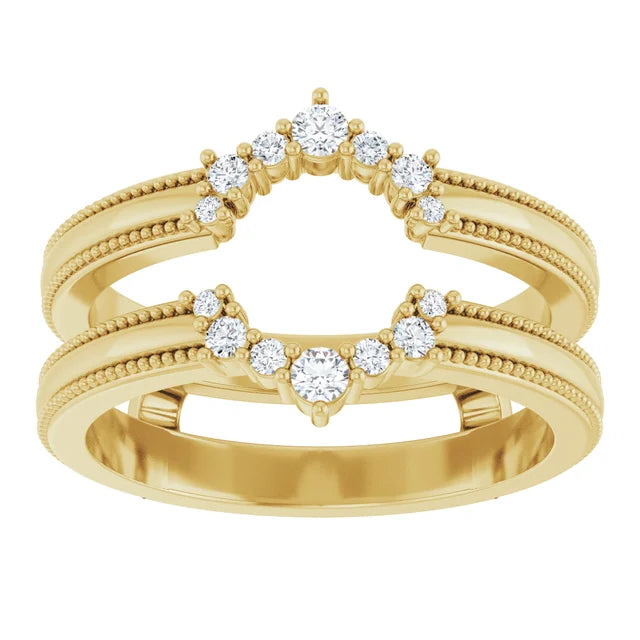
An eternity ring setting changes how each stone is held, how much light reaches it, how smooth the band feels and how well it sits beside your other rings. The right choice balances sparkle, protection, comfort and daily wear, instead of judging the ring only by how bright it looks.

Picture two diamond eternity bands in a tray. Both have small diamonds around the band, both look bright under the lights, and both seem right at first glance. Then you try them beside your engagement ring and wedding band, and one sits neatly while the other catches, rubs or feels bulky between your fingers.
That difference comes from the setting. In plain terms, the setting is the metal work that holds each stone in its seat. It decides how high the stones sit, how much metal surrounds them, whether edges feel smooth, and how exposed the stones are to knocks.
Setting is separate from stone shape and metal colour. A round diamond can be claw set, bezel set or pave set, and each version will look and feel different. You do not need bench-level terminology to choose well, though it helps to know what the main eternity ring settings do on the hand.
In This Article
Channel, claw, bezel, pave and bar compared
No eternity ring setting wins every category. A brighter, more open style gives the stones more presence, while a smoother or more enclosed style usually feels calmer for daily wear.
GIA describes prong settings, often called claw settings in the UK, as allowing a diamond to catch the most light. It also describes bezel settings as protecting the girdle, which is the outer edge of the stone, while letting in less light than a prong setting. That is the basic trade-off many eternity band setting styles are working around.
The table below compares the six main setting styles by how each one looks and feels on the hand, and who it tends to suit.
At The Diamond Setter, we talk through these differences from the bench as well as the tray, because jewellery made and repaired onsite teaches you what wears well after the first try-on. A low-profile channel set eternity ring can be the calm choice for someone who uses their hands all day, while a claw set design may suit someone who wants the brightest possible face-up look.
Stone shape and setting have to be chosen together
A stone can look perfect loose, then behave differently once it is set all the way around a band. Shape affects the rhythm of the ring, the setting method and how much protection the stone needs.
Pro Tip
Bring your engagement ring and wedding band when you compare eternity ring settings, because height and profile often change the best choice.

GIA separates diamond shape from cut style. Shape means the outline you see from above, such as round, oval, square, pear, marquise or cushion. Cut style refers to the facet pattern and angles, which is why terms such as princess cut and emerald cut carry both a shape and a particular visual character.
Round diamonds suit open, classic settings
Round diamonds work comfortably across many eternity ring settings because their outline repeats smoothly around a band. A round diamond eternity ring can look bright in claws, neat in bezels and finely textured in pave.
Small round stones also give the setter flexibility. They can follow the curve of the finger without creating a hard geometric edge, which is one reason they remain such a common choice for diamond eternity ring design. If you want a band that feels classic without looking heavy, round stones give you plenty of setting options.
Square and step-cut stones suit cleaner lines
Princess cut, baguette and emerald-cut stones often suit channel, bar and other clean-lined settings. Their straight edges can create a crisp run of stones, especially when the band is designed to sit as a clear line beside a wedding band.
Baguette eternity ring styles tend to feel calmer and more architectural than round pave bands. Princess cut eternity band designs can look sharper and brighter, and the corners need thoughtful metal support. Straight-edged stones reward precision because small differences in spacing show more clearly than they do with round stones.
Pointed shapes need more thoughtful protection
Marquise and pear shapes can look striking in an eternity band, yet their points change the setting conversation. A point needs support in the right place, because diamond is extremely hard and it is still possible to chip from a hard knock.
Corners matter too. Princess-cut diamond corners deserve care because the geometry leaves them more exposed than a rounded outline. Those shapes remain good choices, provided the stone shape and the ring setting type are chosen together.
The stack decides more than the style name
A slim eternity band may sit neatly beside one engagement ring and leave an obvious gap beside another. The difference usually comes from height, profile and where the stones or metal meet.
Ready to find your perfect engagement ring?
Book a Free ConsultationTrying the eternity ring beside your own rings tells you more than judging it on its own. A ring can be beautiful in isolation and still feel wrong in a stack if it rubs against a claw, knocks a raised setting or pushes the wedding band out of line.
Pro Tip
If you want a ring for everyday wear, ask to see low profile versions beside open settings so you can feel the difference on the hand.
We look at five fit points before settling on the design:
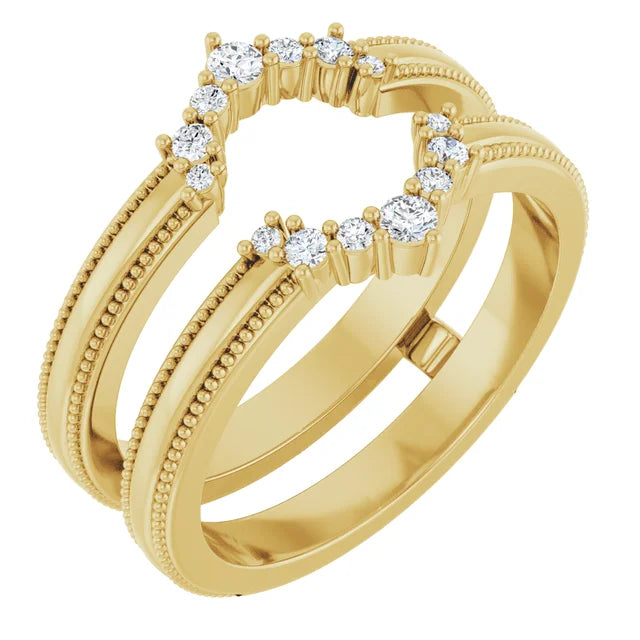
- Height against the engagement ring. A taller eternity ring can touch the side of a raised engagement ring setting. A lower band may tuck under more comfortably, depending on the engagement ring shape.
- Profile and flush fit. Some rings sit flat against each other, while others naturally leave a small gap. A gap can be perfectly fine, provided it looks intentional and feels comfortable.
- Rubbing points. Diamond against metal, or metal against small claws, can cause wear over time. The contact points matter more than whether the rings match in a catalogue sense.
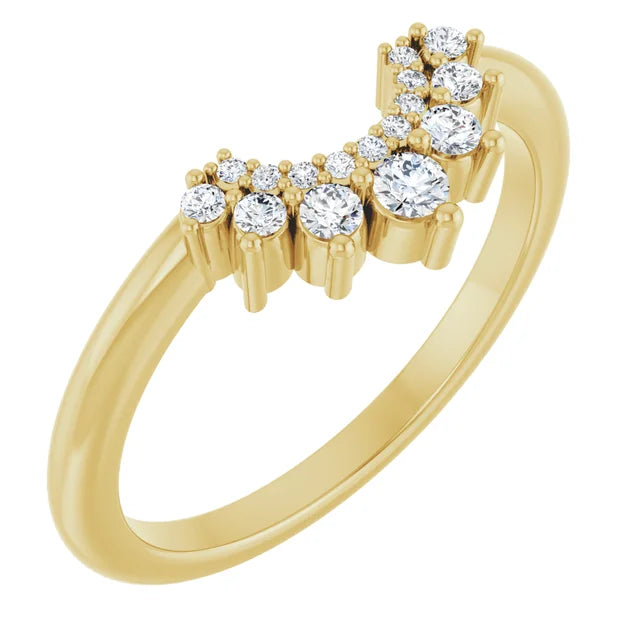
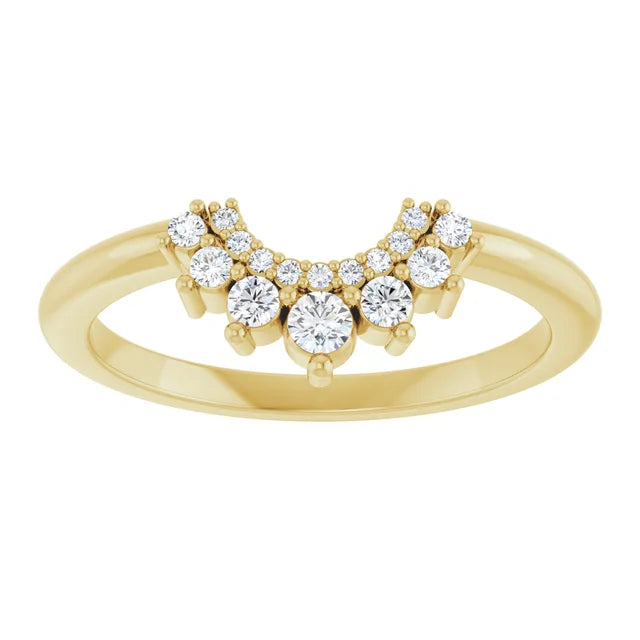
- Full, half or three-quarter coverage. A full eternity ring carries stones all around the band. Half and three-quarter designs leave more plain metal at the back, which can make them more practical for sizing and daily comfort.
- Future alteration and sizing flexibility. Full eternity designs are generally harder to alter than half or three-quarter designs, although the actual answer depends on the ring's construction.
Our onsite workshop at The Pantiles in Tunbridge Wells makes this part much easier to judge properly. At The Diamond Setter, we can put your existing wedding and engagement rings beside the proposed band, check the height by eye and by hand, and see where the setting will sit before the design is made or adjusted.
Fit on the hand should settle the choice
Once you have seen the main setting styles, the clever choice is rarely the one with the longest name or the most sparkle in the tray. The better question is whether the setting, stone shape, existing rings and budget all point in the same direction.

Daily wear deserves more weight than most buyers first give it. If you want a ring you can wear without thinking about every door handle, bag strap or desk edge, a lower-snag profile matters. If brightness is your main pull, an open claw or pave style may feel worth the extra care.
A few decision factors usually settle the choice:
- How you use your hands. Active daily wear favours smoother, lower-profile settings.
- Your existing rings. Height, curve and rubbing can change what looks right.
- Stone shape. Round stones, straight-edged stones and pointed shapes ask for different metal support.
- Care habits. Claw set and pave rings need periodic checks, especially if you notice movement, catching or a visible change in a claw.
- Budget. Stone coverage, setting type, metal and stone choice all affect the final design.
Eternity rings at The Diamond Setter start from £1,000, and the design is shaped around your preferences and budget rather than forced into one fixed style. Our workshop also looks after the ring after it is made, with repairs carried out onsite and a lifetime service guarantee on our pieces.
The ring that lasts best in real life is the one chosen as a complete object. Prioritise the fit on your hand above all else, because comfort is what lets the beauty stay wearable.
Questions people ask us about eternity ring settings
Will a lower-profile eternity band look less sparkly?
A lower-profile band can still look bright. Sparkle depends on the stones, setting style and how much light reaches the diamonds, so a smooth design can hold plenty of life when it is well made.
Can we use stones from an old ring in a new eternity band?
Existing stones can sometimes be used in a new eternity band if their size, condition and shape suit the design. We would assess the stones first, because the setting has to protect them properly.
Does the metal colour change the best setting choice?
Metal colour changes the look of the ring, and the structure of the setting still does the practical work. White, yellow and rose metals can all work well, provided the profile and stone seats suit the design.
Do pave eternity rings need more checking than simpler styles?
Pave rings have many small stones and tiny setting points, so periodic checking is sensible. If a pave band starts catching on fabric or a stone looks uneven, the setting needs attention.
Can an eternity ring be an anniversary ring even if it does not match the wedding set exactly?
An eternity ring does not have to match perfectly to look right. A small contrast in setting or stone shape can work beautifully if the height, profile and overall balance sit well with your existing rings.
Not sure where to start? We can guide you.
Book a No-Obligation Chat
Leave a comment