

9 min read
How do you tell an Art Deco ring from a vintage one?
An Art Deco engagement ring is defined by crisp geometry, symmetry, contrast and a structured, architectural look. Age alone does not make a ring Art Deco. The style comes through in stone shape, metal colour, side stones and fine setting detail, so a new ring can carry the look beautifully.

You may have saved ten rings online and found that some feel clean and striking, while others feel ornate in a softer, older way. That difference matters. Art Deco has a sharper eye than general vintage style, with lines that feel planned and balanced.
The V&A links Art Deco jewellery with sharp geometric patterns and machine-age design, and GIA describes the period style through geometric patterns, abstract designs and contrasting stones. In plain terms, we look for order. A strong Art Deco ring style feels deliberate from the centre stone outward.
So the useful test is simple: does the ring have clean structure, clear shape and controlled detail, or does it rely on decoration alone? A ring can be Art Deco-inspired without copying a museum piece.
In This Article
Stone shape, metal and setting detail build the look
The Art Deco look comes from the way several choices work together. A single emerald cut can point the ring in the right direction, and the metal, side stones and setting decide whether the finished piece reads as Art Deco or simply as a geometric engagement ring.
Stone shapes set the architecture
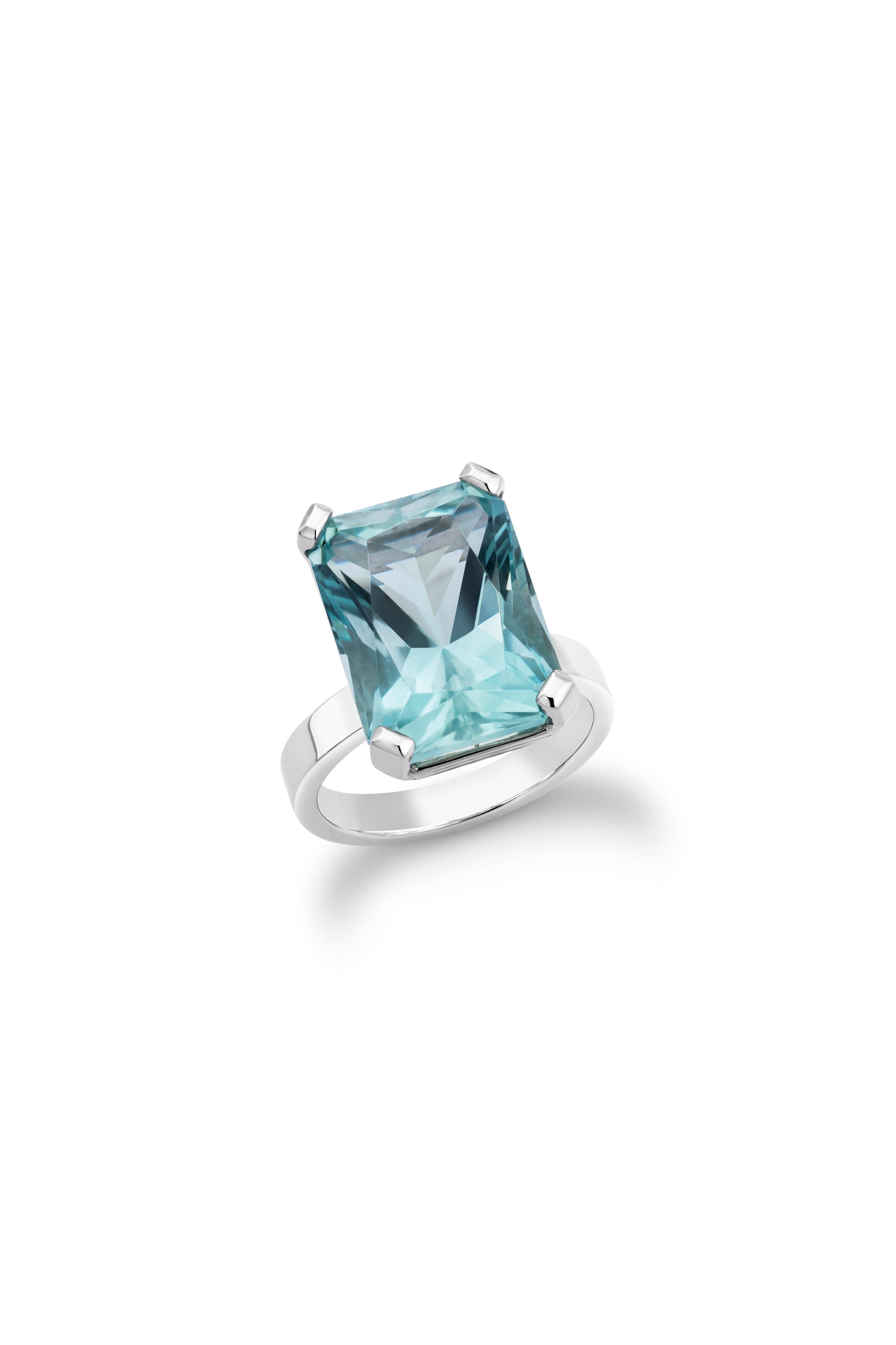
Stone shape is usually the first decision because it sets the ring's outline. Emerald cuts and Asscher cuts give that stepped, mirror-like look many people associate with Art Deco diamond cuts. Baguette diamonds, triangles, shields, pear shapes and marquise shapes can then frame the centre stone or sharpen the shoulders.
Old European cut diamonds bring a different mood. They are linked with late Victorian, Edwardian and Art Deco jewellery, and they have a higher crown, very small table and greater total depth compared with modern round brilliant diamonds. In the hand, that can feel softer and more characterful, so we would treat the rest of the design with care if you want the ring to stay crisp.
An emerald cut Art Deco ring can be very clean, almost architectural. Add baguette side stones and the look becomes more period. Set the same stone alone in a simple band and the ring may feel modern with a hint of Art Deco, which can be exactly right if you want a lighter touch.
Metal colour changes the mood
White metals suit the style because they keep the eye on the stones and the lines. Platinum has strong Art Deco links, partly because its strength allowed jewellers to use less visible metal around the stones. White gold can also give a clean, bright look, and yellow gold has a place too, especially for a warmer version of the period feel.
The metal choice changes the whole tone of the ring. Platinum and white gold make diamond layouts feel cool and precise. Yellow gold softens the geometry and gives contrast between the stones and the band.
If you want Art Deco detail without a ring that feels too formal, we often find the metal choice does a lot of the work before any extra decoration is added.
Accents and setting detail add the period feel
Accent stones give the ring much of its personality. Diamonds beside sapphires, rubies or emeralds create the colour contrast associated with the style, and black-and-white contrast can come from onyx or black enamel in more dramatic designs.
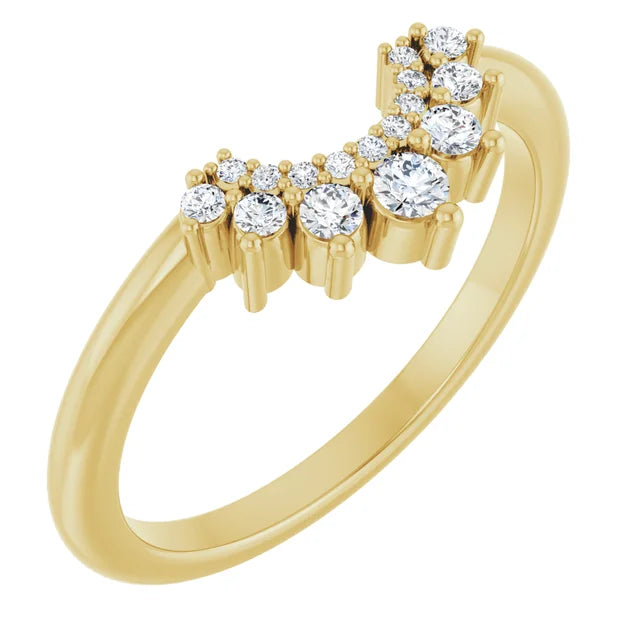
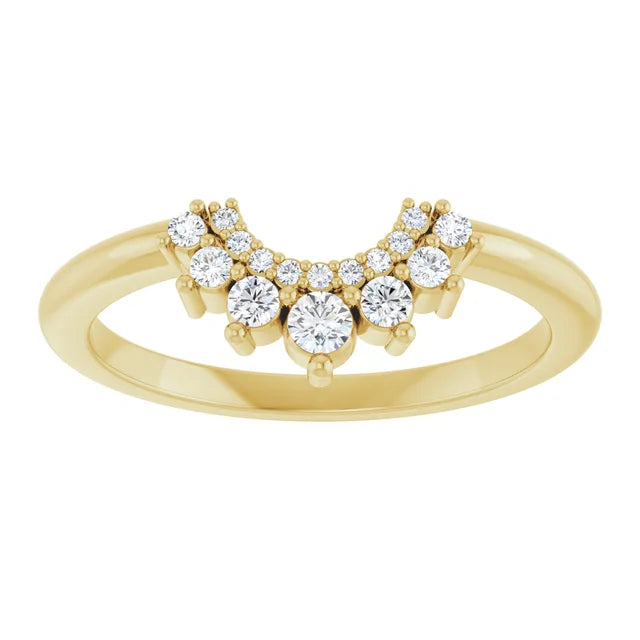
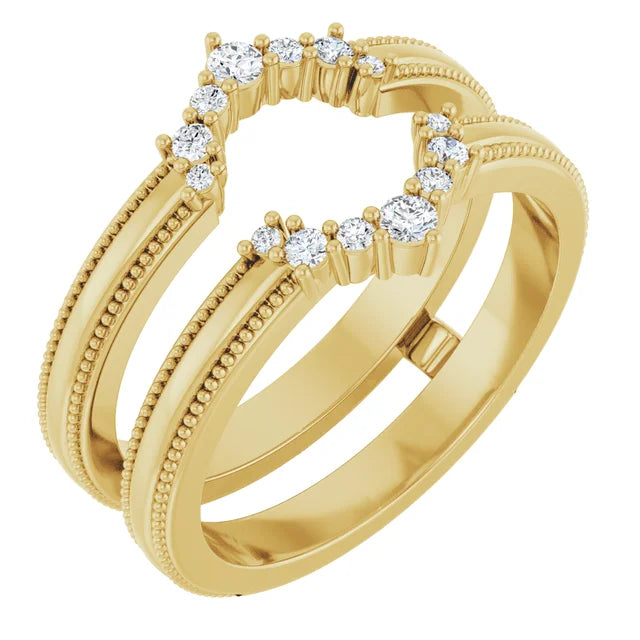
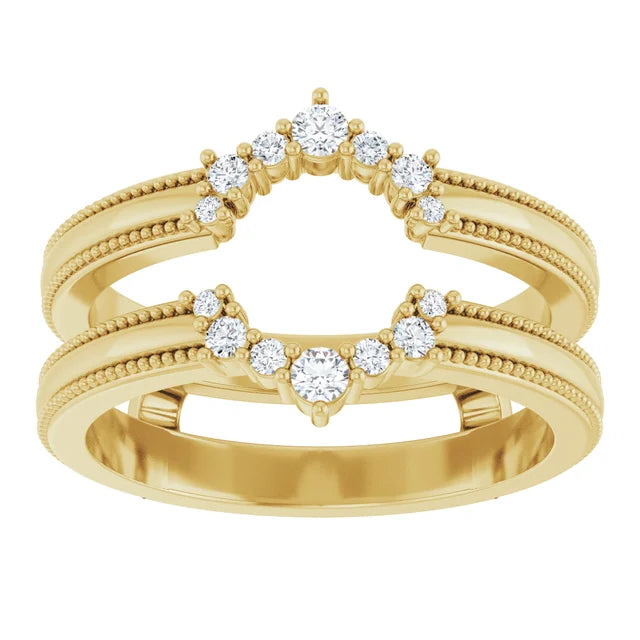
Small setting details matter because they frame the geometry. Milgrain gives a fine beaded edge. Pave brings close-set sparkle. A halo can make the centre stone feel larger and more structured. Stepped shoulders can echo the clean lines of Art Deco buildings without making the ring feel like a costume piece.
The trick is restraint. One or two strong accents usually look more wearable than packing every period reference into the same design.
Should you buy an original antique ring or make a new Art Deco-style ring?
If you love the romance of an original Art Deco ring, that feeling is real. If you want full control over stone shape, durability and budget, a new Art Deco-style ring may give you a smoother route.
Pro Tip
Ask which single detail is carrying the Art Deco look, because that makes it easier to simplify the rest of the design without losing the style.

The table below compares the three routes by what each one gives you and what needs checking before you commit.
The wording around older rings can blur quickly. GIA defines antique jewellery as more than 100 years old, vintage as no longer contemporary but not old enough to be antique, and estate as preowned. An estate ring can be recent, and a new ring can be Art Deco-inspired without claiming to be an original.
Condition deserves a calm look, especially if the ring will be worn every day. Older rings can have worn prongs, thin shanks or limits on resizing. Older accent stones also need checking, because synthetic rubies and sapphires were used in the early to mid-1900s, including in small Art Deco accent stones.
At The Diamond Setter, we handle this as a practical design and making question rather than a pressure point. An original antique Art Deco engagement ring, a ready-made vintage Art Deco-style ring and a bespoke Art Deco ring each have their place, provided the condition, look and wearability line up with how you will use it.
For UK buyers, hallmarking is another simple reassurance. GOV.UK states that precious metal items sold as gold, silver, platinum or palladium need a legally recognised hallmark when they are above the relevant weight thresholds, including gold over 1 gram, silver over 7.78 grams, platinum over 0.5 gram and palladium over 1 gram. A full UK hallmark includes the sponsor's or maker's mark, the metal and purity fineness mark, and the Assay Office mark.
A new ring can carry the style honestly
A new bespoke Art Deco engagement ring can look true to the style when the design choices are accurate. The aim is to use the design language honestly, through proportion, stone shape, contrast and finish, without pretending the ring is an original period piece.
Want to learn more about choosing the right stone?
Speak to Our ExpertsPicture a brief with an emerald-cut centre stone, slim sapphire accents and a fine milgrain edge. The ring needs the stepped geometry you like from antique examples, and it also needs secure settings and a band that feels right for daily wear. That is exactly where bespoke design earns its place.
Pro Tip
If you are comparing original and bespoke rings, check the condition of the setting as carefully as the stone shape, since worn prongs or a thin shank can affect daily wear.
At The Diamond Setter, we make engagement rings in our onsite workshop at The Pantiles in Tunbridge Wells, so the design is not handed off to an unseen maker. We use digital design drawings to map the proportions, then stone sourcing, setting work and hand finishing bring the ring from an idea into something you can wear.
Budget control sits inside those choices. A centre stone can change the feel and price of the whole ring. Side stones can be bold or pared back. Natural and lab-grown diamonds are both available, and bespoke engagement rings are listed from £2,000, with the final brief shaped by the stones, metal and detail you choose.
Inherited jewellery can sometimes play a part too, if a stone or piece of metal has meaning for you. The design still needs to be judged as a ring for modern wear, because sentiment works best when the finished piece feels secure, balanced and easy to love on the hand.
Six choices that shape your brief
A good Art Deco brief is a small set of clear choices rather than a long wish list of every period detail you have seen online. The strongest starting point is to choose the features that will still matter when you look at the ring on an ordinary Tuesday, as well as in a close-up photo.
Use this as a simple way to focus your ideas before the final design is agreed.
- Choose the centre stone shape first. Emerald, Asscher and other crisp shapes will steer the ring strongly into Art Deco territory. A rounder antique-style diamond can work too, though the setting may need cleaner lines around it.
- Set the metal mood. Platinum or white gold gives a cooler, brighter look. Yellow gold brings warmth and can stop a geometric design feeling too severe.
- Decide how much contrast you want. Sapphire, ruby, emerald or black detailing can make the style bolder. If you prefer a quieter ring, an all-white diamond layout may still feel Art Deco through symmetry and stepped shapes.
- Use setting detail with care. Milgrain, pave, halos and stepped shoulders all add period character. One clear detail often lands better than several competing details.
- Think about daily wear. Ask how the setting protects the stones, whether the band has enough strength, and how future resizing is handled. A ring can be beautiful and still need practical thought.
- Ask the plain questions. We suggest asking what makes the design Art Deco, what choices affect the budget most, and which details can be simplified without losing the look.
Art Deco ring ideas are getting easier to find, and the next couple of years will make precision matter more. As more rings are loosely labelled Art Deco online, the best modern designs will be the ones with disciplined proportions, personal restraint and enough wearability to move from mood board to daily life.
Questions we get asked about Art Deco engagement rings
Can we keep an Art Deco ring simple?
Yes. A simple Art Deco ring can work beautifully if the geometry is clear, the proportions are balanced and the setting detail is controlled.
Will a halo make an Art Deco ring look too vintage?
A halo can look Art Deco if it follows the shape of the centre stone and keeps the outline crisp. A softer, rounded halo will usually feel more general vintage than Art Deco.
Can inherited stones be used in an Art Deco-inspired design?
Inherited stones can sometimes be used, provided they suit the design and can be set securely. We would look at condition, size and shape before building the ring around them.
Are lab-grown diamonds suitable for an Art Deco-style ring?
Lab-grown diamonds can suit an Art Deco-inspired ring because the style depends on shape, symmetry and setting detail. The choice between natural and lab-grown diamonds is a personal and budget decision.
How much design knowledge do we need before talking to a jeweller?
You do not need technical knowledge. A few saved images and a sense of what you like, such as clean lines, coloured accents or a softer antique feel, are enough to start a useful design conversation.
Questions about stones? We are happy to help.
Talk to Our Team
Leave a comment