
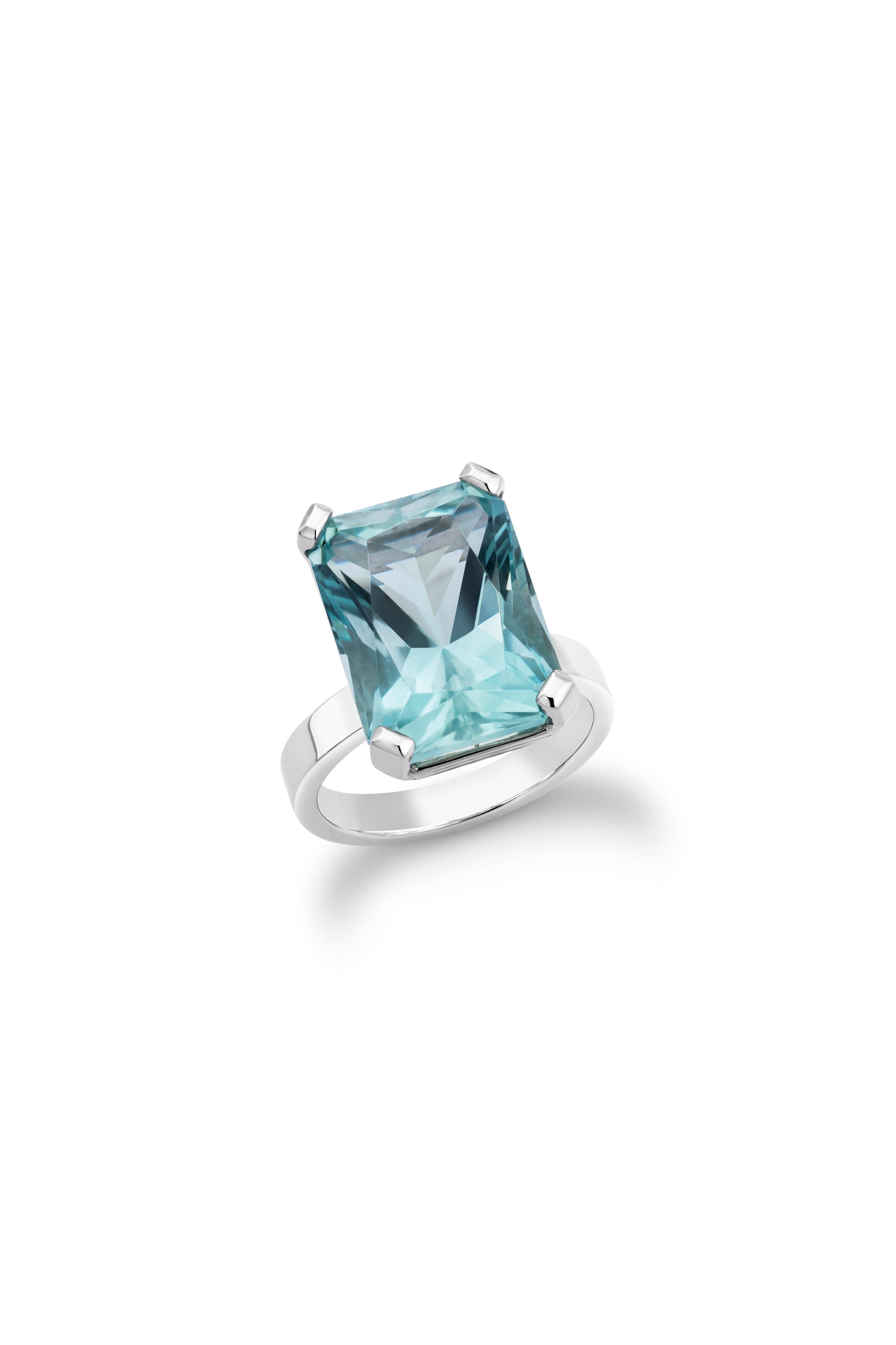
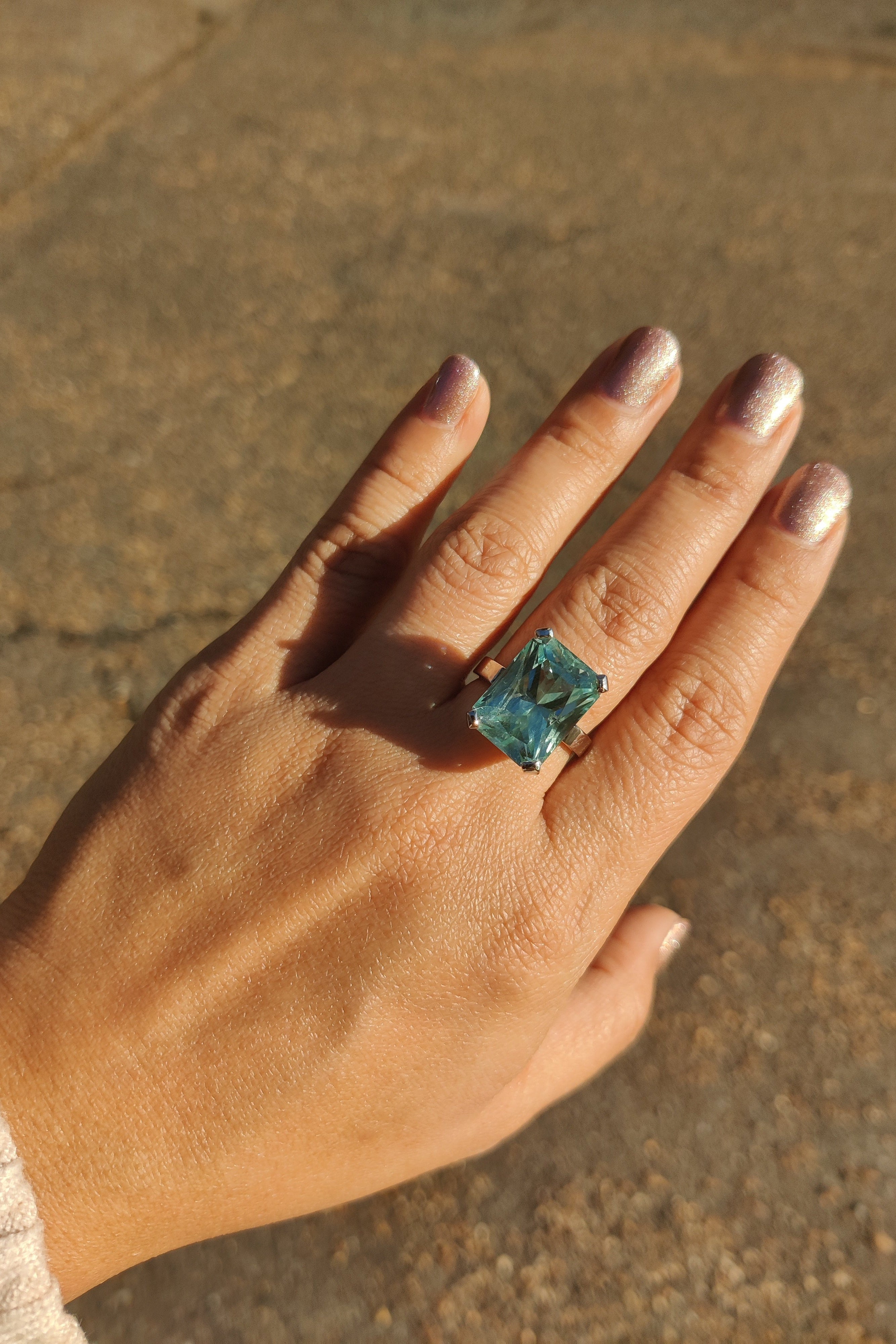


Which coloured gemstones can really cope with everyday wear in an engagement ring?
A few coloured gemstones are well suited to daily wear, but the list is shorter than many people expect. Sapphire and ruby are the safest traditional choices, with spinel and alexandrite also worth serious consideration in the right design. The reason is simple: a coloured gemstone engagement ring faces constant contact with hard surfaces, small knocks, and gradual abrasion, so beauty alone is not enough. A stone needs strong scratch resistance, good toughness, and a setting that protects it in ordinary life.
What makes a gemstone suitable for daily wear in an engagement ring?
Imagine glancing down at your ring while carrying shopping, typing at work, or reaching for a door handle. That is how an engagement ring is usually worn, in ordinary moments rather than special occasions, which means the stone has to cope with day-to-day impact as well as admiration.
Many couples hear the word hardness and assume it tells the whole story. Hardness matters, because it affects how well a gem resists surface scratches and abrasion. The Mohs hardness scale is the reference point most people come across, and GIA materials often use it to explain why some stones keep their polish for longer than others.
Hardness, though, is only one part of gemstone durability. A stone can resist scratching well and still be vulnerable to chipping if it takes a sharp knock in the wrong place. Toughness refers to how a gem handles stress and impact, and that matters just as much in a ring that is worn every day.
Diamond sets the benchmark because it combines very high hardness with strong all-round wear performance in jewellery. Coloured stones can still work beautifully, but they need to be judged with the same practical mindset. In jewellery workshops, the problems that appear over time are rarely abstract ones. Jewellers see worn facet edges, chipped corners, loose settings and dulled surfaces from normal use, especially when a softer stone has been chosen for a ring that never comes off.
Lifestyle also changes the picture. Someone who works with their hands, goes to the gym in their ring, or rarely removes jewellery at home puts any gemstone under more pressure than someone who wears it more carefully. That is why the right question is never just which colour you love. The better question is which stone will still look good after years of ordinary wear.
Which coloured gemstones are genuinely hard enough for daily wear?
If the goal is a coloured gemstone engagement ring that can stand up to everyday use, the shortlist is fairly clear. Sapphire and ruby sit at the top for most people, because both are varieties of corundum and score 9 on the Mohs hardness scale. In practical terms, that gives them very strong scratch resistance, which is one of the biggest advantages in a ring worn every day.
Sapphires are recommended so often for a reason. They come in many colours, they keep their surface polish well, and they have the ring longevity people usually want from a piece intended to be worn for decades. A blue sapphire handed through a family often still looks impressive because the stone has resisted the small surface wear that quickly ages softer gems.
Ruby offers much the same performance, with the added appeal of a rich red tone that feels distinct from more familiar engagement ring choices. From a durability point of view, ruby belongs in the same conversation as sapphire rather than in a separate category.
Spinel deserves more attention than it usually gets. At 8 on the Mohs scale, it is harder than many people realise, and it can work very well in an engagement ring if the design is sensible. Fine spinel still needs thought around shape and setting, but as a durable coloured gem it is one of the stronger alternatives to sapphire.
Alexandrite also belongs on the shortlist, especially for couples who want something unusual without moving into much softer territory. Its colour-change effect draws attention, yet its wear performance is usually strong enough for daily use. Availability, natural rarity and grading details can make selection more involved, so this is the kind of stone where clear guidance and reliable documentation matter.
Some gems sit just outside the safest bracket. They may be wearable with care, but they are not in the same class as sapphire, ruby, spinel or alexandrite for scratch resistance and long-term appearance. That difference tends to show up slowly at first, then all at once when the ring starts looking older than it should.
What are the risks of choosing a softer coloured gemstone for an engagement ring?
A softer stone can look perfect on the day it is collected and noticeably worn a few months later. That change often begins with tiny surface scratches, then a dulled finish, then a chip near the edge after an accidental knock on a worktop or sink.
Opal is one of the clearest examples. People love its colour play, and understandably so, but it is a fragile choice for a ring that is meant for constant wear. Everyday contact can mark the surface, and a sharp knock can damage it far more easily than a sapphire or ruby.
Emerald creates a different sort of issue. Its hardness is higher than many assume, yet emerald can still be vulnerable because inclusions and internal characteristics affect toughness. In plain terms, an emerald ring can be worn, but it needs more care and a more protective design than many buyers expect at first glance.
Morganite often appeals because of its soft pink tone, although daily wear can be less forgiving than its popularity suggests. Over time, a stone like this may need re-polishing to restore its appearance, and that maintenance is worth considering before the ring is made. A ring does not wear in theory. A ring wears against keys, door frames, taps and kitchen counters.
Settings help, but they cannot perform miracles. Even a well-made mounting cannot stop every knock, and prongs themselves wear down with time. In an onsite workshop, one of the most common realities is seeing a sentimental ring arrive with a chipped centre stone and a worried owner who had no idea the gem was vulnerable in the first place.
Replacement is not always simple either. Matching colour, size and quality can be difficult, especially with stones that have distinctive character. Insurance considerations can ease some of the financial side, but they do not solve the disappointment of seeing a much-loved ring damaged sooner than expected.

How do settings and ring design affect gemstone durability for daily wear?
Design can make a durable stone safer, and it can also leave a durable stone more exposed than it needs to be. That is why gemstone choice and ring design should always be discussed together.
A bezel setting offers some of the best protection because metal surrounds the edge of the stone. For everyday knocks, that extra coverage can make a real difference, especially with shapes that have vulnerable points or corners. A low-profile bezel on a coloured stone is often a practical answer for someone who wants daily wear without constant worry.
Prong settings can still be excellent, but they expose more of the stone. Many people prefer them because they let in more light and create a classic engagement ring look. The trade-off is that the gem, especially around the girdle and points, may be more open to impact if the ring sits high on the finger.
Ring height matters more than people think. A stone that stands proud of the hand is simply more likely to catch on clothing, hard surfaces or bags. Lower profiles usually wear better in real life, particularly for people who use their hands constantly and do not want to remove their ring throughout the day.
Metal choice plays a supporting role. Platinum and certain gold alloys can offer excellent security, but no metal can compensate for a stone that is fundamentally too soft for the job. Good design is about balance, including the gem, the setting style, the wearer's routine and the shape of the stone itself.
Custom design is often where these decisions become much clearer. With CAD design, a jeweller can adjust height, edge protection and overall profile before the ring is made. In a workshop that makes pieces onsite, those discussions tend to be more grounded because the person advising you is thinking about how the ring will actually behave once it leaves the bench.
What should you ask your jeweller before choosing a coloured gemstone engagement ring?
A good conversation with a jeweller should leave you calmer, not more confused. You do not need specialist knowledge to ask the right things, but a few clear questions can reveal a lot about whether a coloured gemstone ring will suit daily wear.
Ask how the stone performs in an engagement ring worn every day, not just how it looks in the box. That phrasing usually leads to a more honest discussion about hardness, toughness, possible chipping, and whether your chosen gem needs extra care. If the answer sounds vague, keep pressing until it becomes specific.
Bring your routine into the conversation. Someone who gardens, lifts weights, works in healthcare or rarely removes jewellery will need different advice from someone whose ring faces less contact. A jeweller should be able to connect gemstone suitability to real life rather than speaking in general terms.
Treatment and sourcing also deserve attention. You can ask whether the stone has had any treatments, how that affects wear, and what documentation comes with it. For higher-value gems, GIA certification or similar grading information may be relevant, especially if you want clarity on what you are buying.
It also helps to ask where the ring will actually be made and who will set the stone. That point is often overlooked. An onsite workshop gives you a clearer line of sight between design, making, setting and future repairs, and that can be reassuring if you are choosing a coloured centre stone that needs thoughtful handling. The Diamond Setter, for example, makes and repairs jewellery onsite in its own workshop rather than sending work elsewhere.
Aftercare should be part of the same conversation. Ask how often the setting should be checked, what maintenance the ring may need, and what happens if a prong loosens or the stone gets damaged. If the ring is being made to order, ask how CAD design will be used to improve security and whether any lifetime service guarantee applies to ongoing checks or adjustments. Couples often arrive thinking they need to ask clever questions about fashion or rarity. The more useful ones are usually practical.
How is the field of coloured gemstone engagement rings changing?
The biggest change is that couples are arriving better informed and more willing to question old assumptions. They still want colour and personality, but they are also asking harder questions about durability, treatments, traceability and how a ring will perform after years of wear. Industry observers have noted this shift toward more informed buying decisions across the coloured gemstone market.
Laboratory-grown gemstones are part of that shift. In some categories, they give people access to colours and sizes that might otherwise feel out of reach, and they have made buyers more comfortable discussing origin and material properties in a more direct way. That does not remove the need for care over hardness and toughness, but it does broaden the conversation.
CAD technology is also changing expectations. People now expect a bespoke ring to be visualised and refined before it is made, which means design decisions about height, protection and wear can be addressed much earlier. For coloured gemstone rings, that is especially useful because the design often determines whether a beautiful stone remains practical.
Ethical sourcing frameworks will matter more over the next 12 to 24 months, particularly for couples who want clearer information about where a stone came from and what treatments it has had. At the same time, workshop technology is making it easier to build more precise, protective settings for unusual gems. The result is a market where colour choice is becoming more adventurous, but the best decisions will belong to buyers who pair that freedom with a much sharper eye for how a ring is actually worn.

Leave a comment