


7 min read
What should you choose for a wedding band that has to cope with his working day?
Choose a wedding ring by matching the metal to the work first: machinery, tools and daily hand movement change the answer. Platinum or gold often make the most practical long-term precious metal band, but tungsten carbide or titanium can suit men who value scratch resistance and low weight.

The common mistake is choosing the hardest-sounding metal and treating the job as done. Hardness matters, of course, especially if he uses tools all day, but a wedding ring also has to suit his hand, his workplace and the way he will wear it over many years.
For a wedding ring for a man who works with his hands, we look at three decisions separately: safety at work, durability in daily wear and whether the ring can be serviced later. Once those are clear, the choice feels much simpler.
Some men need a precious metal wedding band for life outside work and a different workday habit for higher-risk tasks. A good choice starts with the working day, then moves to metal, width and finish.
In This Article
The working day sets the safest metal choice
Hands near machinery, timber, engines or kitchen equipment put a ring into a different category from normal daily wear. A men’s wedding band for practical work has to suit the task as much as the hand.
Safety comes first around moving machinery. HSE guidance says workers should never wear rings that could get caught in moving parts, so the safest wedding ring for a tradesman in that setting may be a ring he removes before work starts. A tough metal can still create a catching risk if the job puts the hand close to moving parts.
Electrical work also deserves a careful conversation, because the issue is the work environment as well as the ring metal. For some jobs, a silicone or other non-metal work ring can be a useful workday alternative, with the precious metal wedding band worn outside the shift. That is a wearing plan, rather than a metal answer.
If the main question is “can you wear a wedding ring at work?”, the honest answer starts with the job. The first test is whether the ring belongs on the hand during the task.
Why scratch resistance is only part of durability
Hardness is only one part of choosing a durable men’s wedding band metal. Durability means scratch resistance, bending, impact behaviour, repairability and emergency removal, not one hardness score.
Pro Tip
Ask for the ring to be checked against any gloves, tools or equipment he uses most often, because the profile can affect comfort and snagging more than the metal choice alone.
That is why a tungsten or titanium wedding ring needs a fuller conversation. Tungsten carbide is very scratch resistant, and titanium is light and durable, but the practical question is how the ring behaves if his finger size changes, if the ring takes an impact, or if it needs to come off quickly.
The table below compares ring metals with the practical trade-off each one brings.
GIA describes platinum as denser and stronger than gold, and as an excellent choice for engagement and wedding rings. White gold is durable and long-wearing, although rhodium plating gradually wears, so a bright white finish can need occasional replating.
Tungsten carbide gives you the clearest answer for a wedding ring metal that resists scratches, but future sizing is the catch. Titanium gives comfort and low weight, although its low malleability can limit jewellery remodelling. In a medical setting, hard metals such as titanium and tungsten carbide can be exceptionally difficult or impossible to remove with standard ring cutters, and tungsten carbide removal by locking pliers destroys the ring and can create sharp fragments.
For working hands, that emergency and servicing question is part of the purchase, even if nobody wants to think about it on the day they choose the ring.
Precious metal bands keep more options open
Finger size changes, finishes wear and a ring worn every day eventually needs attention. For many men, a platinum or gold wedding ring for work makes sense because a skilled jeweller can adjust, refinish and look after it over time.
Have a design in mind? Let’s bring it to life.
Start Your Bespoke Journey
At The Diamond Setter, we make, adjust and maintain wedding rings in our onsite workshop at The Pantiles in Tunbridge Wells, with the work kept in-house. That matters for a practical gold wedding ring or a platinum band because the same workshop judgement that shapes the ring can also guide future care.
UK hallmarking gives you a simple buying check. GOV.UK guidance says gold over 1 gram, silver over 7.78 grams, platinum over 0.5 gram and palladium over 1 gram must carry a legally recognised hallmark if sold as that precious metal. A UK hallmark includes a sponsor’s or maker’s mark, a metal and purity mark, and an Assay Office mark; a fineness mark such as 375 shows 9 carat gold as parts per thousand.
A resizable men’s wedding band keeps more room for life to happen. If he wants one ring to wear for decades, serviceability deserves a place beside scratch resistance.
Job type changes the wedding ring answer
Job type changes the wedding ring answer because the same ring can be sensible for one working day and awkward for another. We start with how his hands are used, then narrow the metal, profile and finish.
Pro Tip
If he is likely to swap between work and weekends, keep a note of the ring size, width and finish you choose so any future remodelling or matching band is easier to plan.
- Machinery or electrical work: The first question is whether any metal ring should be worn during the task. Workday removal may be the safest daily habit, with the wedding band worn away from that setting.
- Heavy tool use: A wedding ring for a mechanic, builder or carpenter needs a conversation about impact, snagging and repair. A very hard ring may stay neater on the surface, while a precious metal band gives more options for workshop attention later.
- Lighter manual work: A platinum or gold band can work well where the hand is active but the ring is less exposed to machinery or heavy impact. Profile matters here, because a lower, smoother shape is less likely to catch.
- Occasional DIY or gym use: A practical men’s wedding band can be chosen for normal daily comfort, with the ring removed for higher-risk tasks or heavy lifting.
At The Diamond Setter, we start with the actual routine before we talk about the metal chart. A chef, a gardener and someone who trains at the gym after work can all be hard on jewellery, but the risks are different.
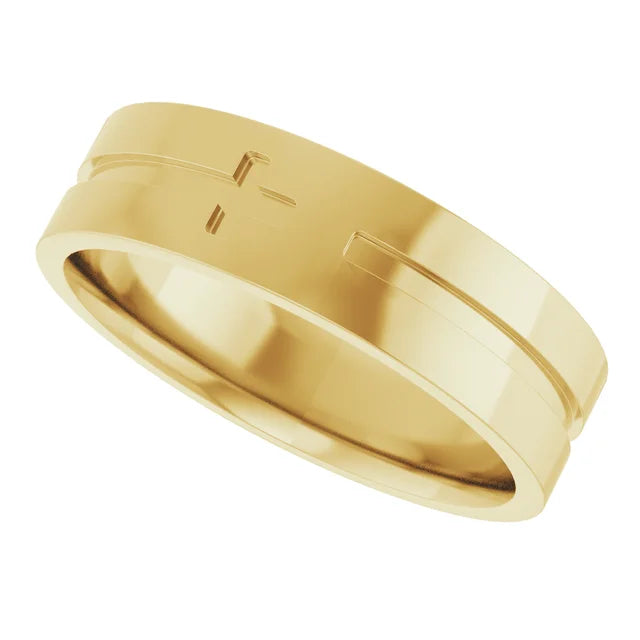
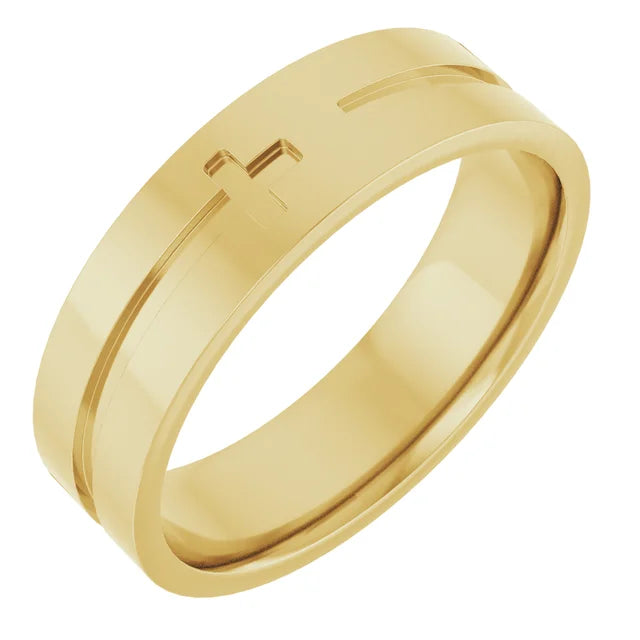
Comfort, width and profile matter more than many couples expect. A wide band can feel secure on one hand and clumsy on another, so the ring needs to be tried as an object he will live with, rather than judged only as a metal sample.
The best choice is a serviced ring for real life
By the time you have looked at safety, marks, sizing and future care, the metal question becomes more practical. The choice is a ring plan: when he wears it, how it sits on the hand, whether it can be refinished, and what happens if his finger changes over time.

Platinum and gold often suit men who want a precious metal wedding ring for daily wear and long-term servicing. Tungsten carbide and titanium suit different priorities, especially surface hardness or low weight, as long as you are comfortable with the limits around alteration.
Our workshop view is simple. A wedding band for hands-on work should be chosen around the wearer’s real routine, because that is where comfort, safety and future care meet. The best wedding ring is the one that works with his real routine, not the one that wins a metal ranking.
Questions couples ask us about men’s wedding rings for work
Does a brushed finish make more sense for working hands?
A brushed or satin finish can make day-to-day marks look less obvious than a high polish. The finish is still a surface choice, so the metal and wearing habits matter more than the texture alone.
Should his wedding band match yours?
Matching is optional. Many couples choose rings that relate through metal colour or small design details, while still giving each person a band that suits their hand and lifestyle.
Can inherited gold be used for a man’s wedding ring?
Inherited gold can sometimes be remodelled into a new wedding band, depending on the metal, condition and design. We would assess the piece first because the old ring has to be suitable for the new job.
Is a plain band better for practical work?
A plain band is often easier to live with if he works with his hands, because there are fewer details to catch, wear or collect dirt. Patterned and shaped bands can still work, but they need a careful profile.
Can a men’s wedding band be made wider or narrower to suit his hand?
Yes, a bespoke wedding band can be made to suit his hand shape and comfort preferences. Width changes how the ring feels during gripping, lifting and daily movement, so it is worth treating it as part of the design rather than an afterthought.
Curious what is possible? Just ask.
Get in Touch
Leave a comment