

8 min read
Which engagement ring setting is most likely to need repair?
In our workshop, the engagement ring settings that need the closest aftercare are pavé and micropavé, halos and hidden halos, very thin bands with side stones, and exposed claw settings. They have more tiny stones, fine metal points, or raised areas that take daily knocks, so repair likelihood comes from design detail.

In This Article
The short answer
Higher-maintenance engagement ring settings usually share one trait: they give daily wear more small points to affect. A claw is the small metal grip that holds a stone, and melee means the tiny diamonds used in pavé, halos and side-stone designs.
GIA describes prong settings as probably the most common type of setting, but notes that they do not protect a stone as much as some other styles. GIA also says bezel settings protect the girdle and pavilion areas of many gemstones, which is why we often discuss bezels with people who want a practical daily-wear ring.
No public national table ranks engagement ring settings by repair return rate, so we would not treat this as a strict league table. Treat it as a buying guide, then judge the exact ring in front of you.
Pavé needs closer attention
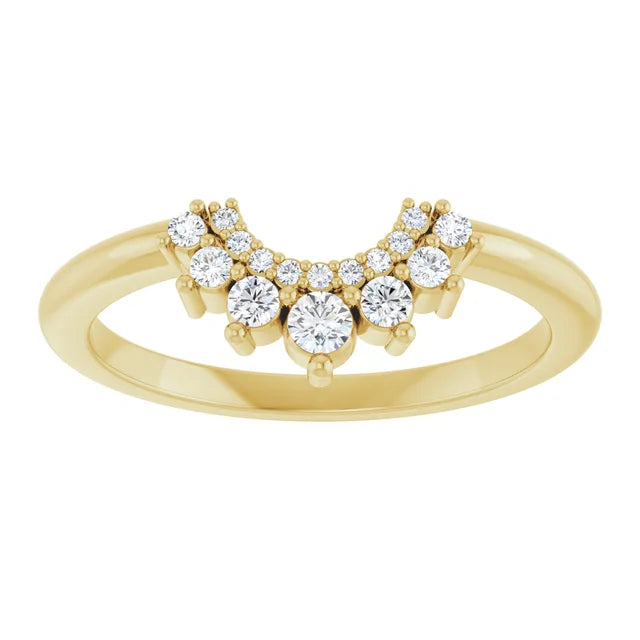
A daily-worn thin pavé band with one missing side stone and a slightly bent shank tells us a lot before we even start. The issue usually sits in the mix of tiny stones, small setting points and reduced metal in the band. One small change in shape can disturb several tiny parts of the ring.
Pro Tip
If you wear a wedding band alongside an engagement ring, check how the two sit together from the side as well as from above. Hidden halos, raised claws and fine pavé can wear sooner where the rings touch.
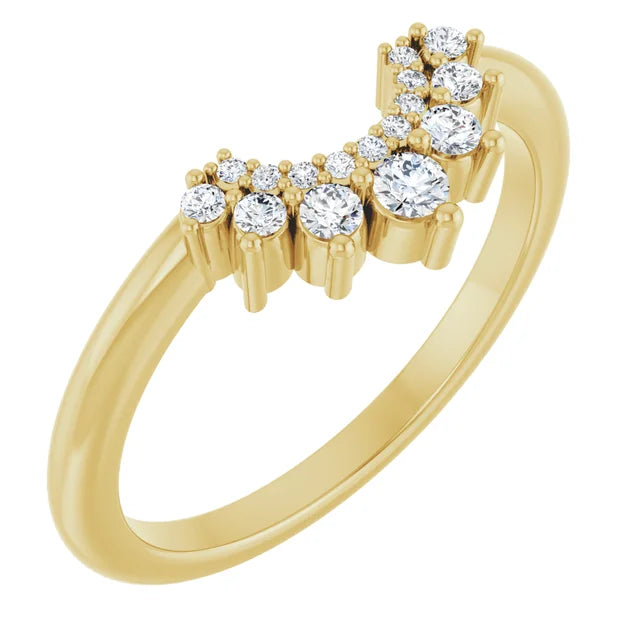
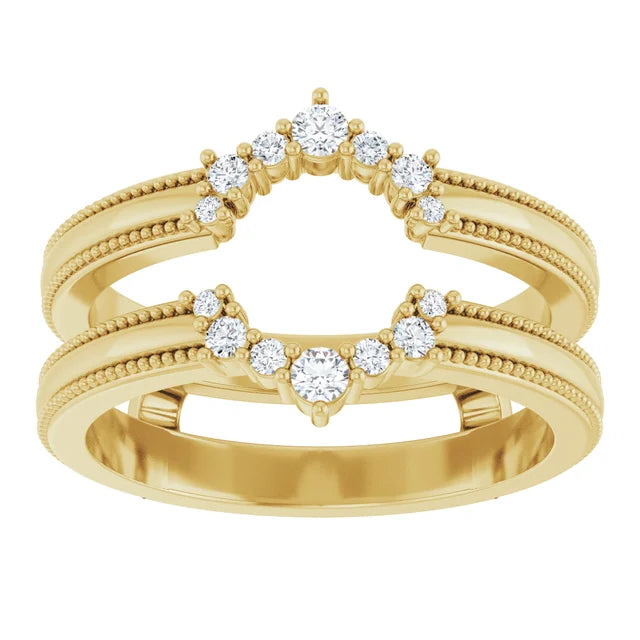
Pavé means small stones set close together across the surface of the ring. Micropavé uses even smaller stones and finer setting work. That look can work very well for an engagement ring, but it asks more from the ring than a plain band does because every tiny stone has to stay properly held.
At The Diamond Setter, we see the design side and the repair side in our onsite workshop, so we look at pavé as an aftercare choice from the start. We check whether the shank, the part of the ring that goes around your finger, has enough support for daily wear. We also look for movement in the stones, rough edges where metal has worn, and any sign that the band has gone out of round.
The National Association of Jewellers says full eternity rings and micropavé rings need more care and should be inspected and tightened at least every 3 to 6 months. It also gives a very narrow platinum band set with small diamonds as an example of a design where durability expectations need to be managed before purchase.
Pavé is higher care, not a poor choice. If your hands are on gym kit, hard handles or cleaning work most days, pavé needs a more careful conversation before you choose it.
Hidden halos create hidden wear
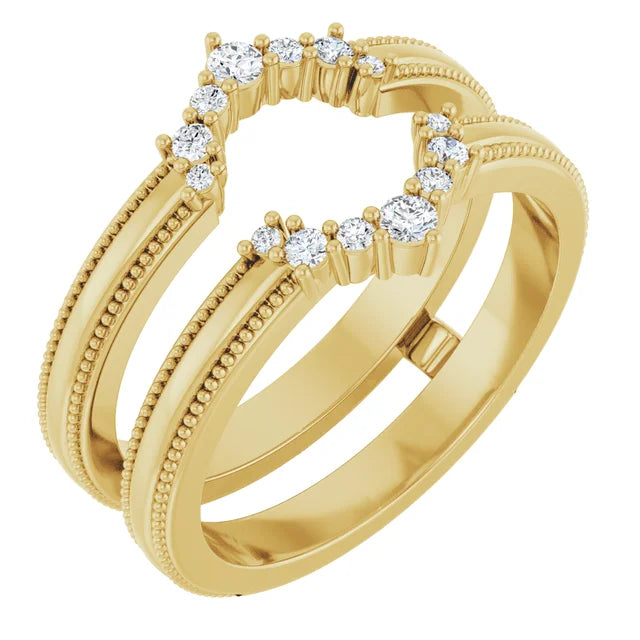
Someone may choose a hidden halo for the side profile of the ring, then add a wedding band later that sits against it every day. That pairing matters because a hidden halo places tiny stones around the under-gallery, the area beneath the centre stone, where rubbing and knocks can be less obvious at first.
Ready to find your perfect engagement ring?
Book a Free Consultation
Hidden halos are often judged as a style detail, yet their position changes how the ring wears. The tiny stones may sit close to the wedding band, and a high setting gives daily contact more chance to reach the halo. A ring can look perfectly neat from above while the side profile is doing much harder work.
In our onsite workshop at The Pantiles, Tunbridge Wells, we prefer to assess the engagement ring and planned wedding band together where that matters. The gap between the rings, the height of the setting and the contact point under the centre stone all affect how the piece will cope with normal wear.
Hidden halos can work well. We prefer to design the engagement ring and wedding band as a pair, because the rub between them is where the hidden part stops being hidden.
Claw settings need periodic work
Why can a simple solitaire still need repair? A solitaire may have no tiny side stones to lose, but the centre stone depends on its claws staying even, smooth and secure.
Pro Tip
Ask for a setting inspection if you notice a stone moving, a claw catching, or a ring that has gone slightly out of round. Small repairs are usually simpler when caught early.
Claws, also called prongs, take daily wear because they sit around the main stone. Four claws and six claws are not a simple safe-or-unsafe choice. The shape of the claws, how much metal holds the stone, the height of the setting and how the ring is worn all matter.
Jewelers of America lists prong repair as a common jewellery repair issue. Worn prongs may need re-tipping, replacement, or in more severe cases a new prong head. The right repair should leave the claws matched in size and shape, covering the crown of the stone properly and smooth enough that they do not catch clothing.
A jeweller may consider the repair in this order:
- Inspect the centre stone for movement and check each claw under magnification.
- Tighten the stone if the claws still have enough metal and the setting remains sound.
- Re-tip worn claws by adding metal where the grip has thinned.
- Reshape claws that have lifted, flattened or started catching.
- Replace the claw head where wear has gone too far for smaller repair work.
A centre stone that moves needs attention before the movement becomes wear.
Thin bands magnify repair risk
Fine bands are popular because they make the centre stone look prominent and keep the ring visually light on the hand. Less metal changes how the ring behaves in daily use, especially when the design also carries side stones or a high centre setting.
A very thin shank has less material resisting pressure. If the head of the ring is comparatively heavy, the ring can spin more, so the stones end up in positions where they take knocks. Once the band bends or misshapes, side stones can loosen even when the stones themselves remain intact.
The National Association of Jewellers links excessively thin engagement-ring bands with becoming top-heavy, spinning, bending, misshaping and losing side stones over time. That guidance matches what we look for when we talk through delicate designs, because thinness is a structural choice as well as a visual one.
Computer-aided design can help us adjust proportions before a ring is made, so the finished piece keeps the look you like with enough support for daily wear. A fine band can still look refined with enough structure under it.
Better settings for daily wear
No engagement ring is repair-free. The better question is how much aftercare fits your life, your budget and the way you use your hands every day.

- Bezel settings suit people who want more metal around the centre stone. A bezel will not make damage impossible, but it gives the stone edge more protection than an exposed claw setting.
- Channel settings can protect side stones by holding them between metal walls. Workmanship still matters, because any setting with stones needs proper checking over time.
- Plain solitaire designs reduce side-stone issues and keep the design simpler. The centre claws still need inspection, especially if they start catching or the stone moves.
- Pavé, halo and hidden halo designs remain a good choice for someone who accepts closer aftercare. The trade-off is more small stones and more small setting points to maintain.
- A slightly stronger fine band can keep a delicate look without pushing the metal too far. That small design decision can change how the ring wears.
The National Association of Jewellers says jewellers should understand how a customer intends to wear a piece before recommending it, because customers are not expected to be jewellery experts. That is exactly the point with engagement ring settings. The name of the style matters less than the way the ring is made, checked and worn.
At The Diamond Setter, we make and repair jewellery onsite, so we think about the repair bench while the ring is still at the design stage. The real question is which setting suits the life it will live. Choose the setting for the life it will live, and the style decision becomes much easier.
Questions we get asked about engagement ring repairs
Can a missing pavé stone be replaced?
A missing pavé stone can often be replaced, but the jeweller needs to check why it came out. If the band is bent or the setting points are worn, replacing the stone alone may not solve the cause.
Should you take your engagement ring off for the gym or cleaning?
We recommend removing your engagement ring for activities that can knock, scratch or put pressure on it, including gym work and heavier cleaning. Daily wear already gives a ring plenty to handle, so avoid adding avoidable impact.
Can a wedding band damage an engagement ring?
A wedding band can wear against an engagement ring if the two rings sit tightly together in the wrong place. Hidden halos, side stones and raised settings need careful checking because the contact point may sit under or beside the centre stone.
How do you know a centre stone is loose?
A centre stone may be loose if it moves, clicks, turns, or sits unevenly in the claws. Snagging claws can also be an early warning sign, especially if the ring has changed from smooth to catch-prone.
Does a lifetime service guarantee mean no maintenance is needed?
A lifetime service guarantee does not mean a ring needs no care. It means aftercare remains part of the relationship, which matters most for designs with tiny stones, fine claws or thin bands.
Not sure where to start? We can guide you.
Book a No-Obligation Chat
Leave a comment