


7 min read
Which engagement ring settings cope best with daily knocks and wear?
Low-profile, protective settings usually cope best with daily life. Bezel settings, well-made lower prong settings, and sturdy designs with sensible stone shapes tend to handle nursery routines, cooking, handwashing, and occasional knocks better than high-set, delicate styles. Even so, no engagement ring is immune to wear, which means that design, metal, fit, and regular checks all matter.

In This Article
Everyday Life, Unexpected Impacts
The catch often comes without warning. A ring snags on a pram strap, taps a saucepan handle, or clinks against a dumbbell just hard enough to make you stop and look.
Most engagement rings are worn through ordinary moments, not candlelit dinners. Daily wear brings small impacts that rarely seem dramatic on their own. A swipe across a tiled worktop, repeated handwashing, flour packed around a setting while baking, children's play that bends fingers back awkwardly, all of it adds up over time.
Few people are told much about lifestyle-proof design when they first shop for a ring. Showroom lighting flatters sparkle and detail, but it cannot mimic a nursery buckle, a set of keys, or a kettlebell handle. Practical durability often becomes a live issue only after the ring has joined real life.
None of that means an active wearer has chosen badly. It simply means ring damage prevention starts with honest expectations about how jewellery behaves outside the box, especially if hands are busy all day.
Setting Structure, Strength in Design
Some settings are plainly stronger than others.
Pro Tip
Stone and setting always work as a pair.
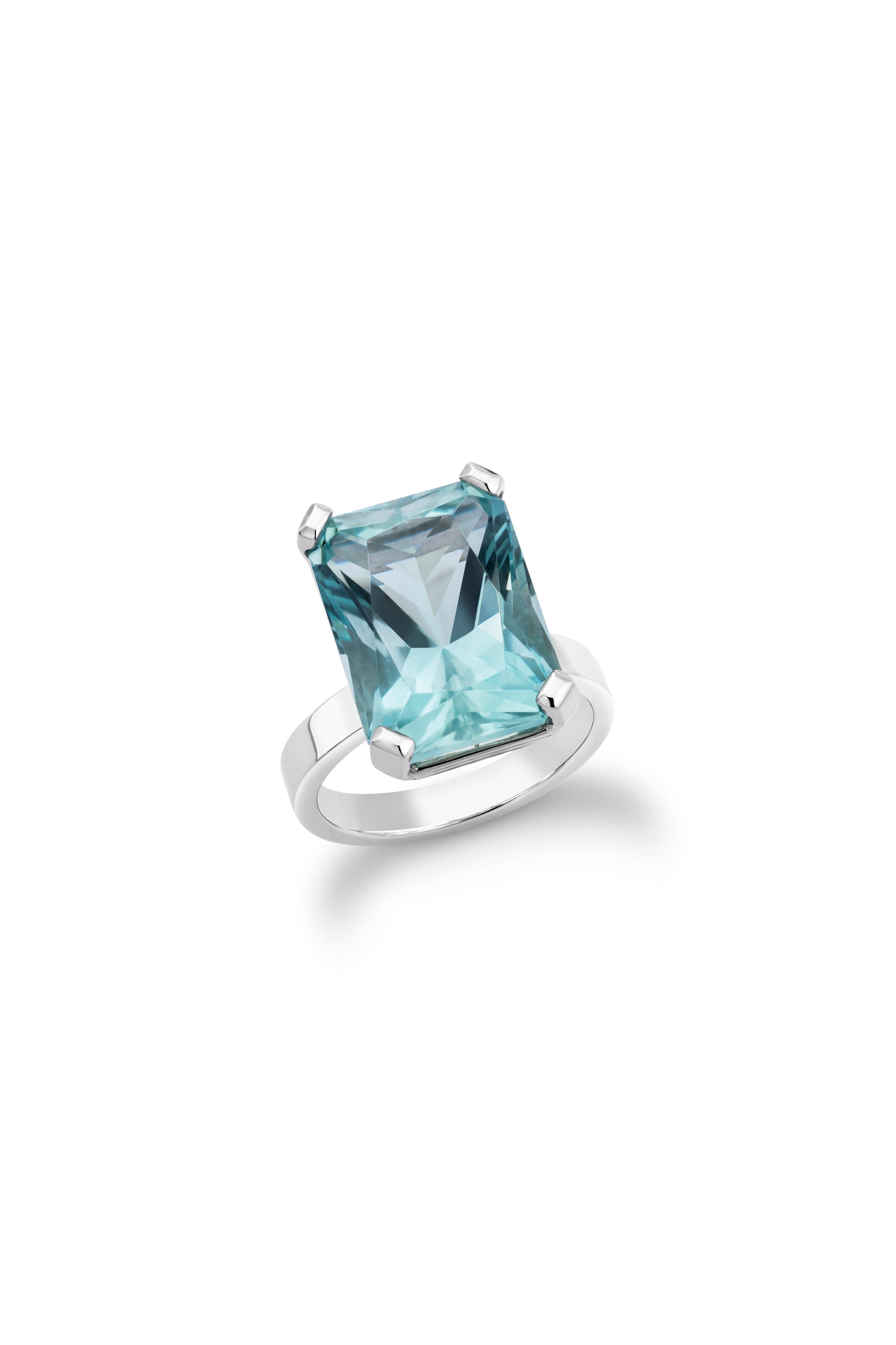
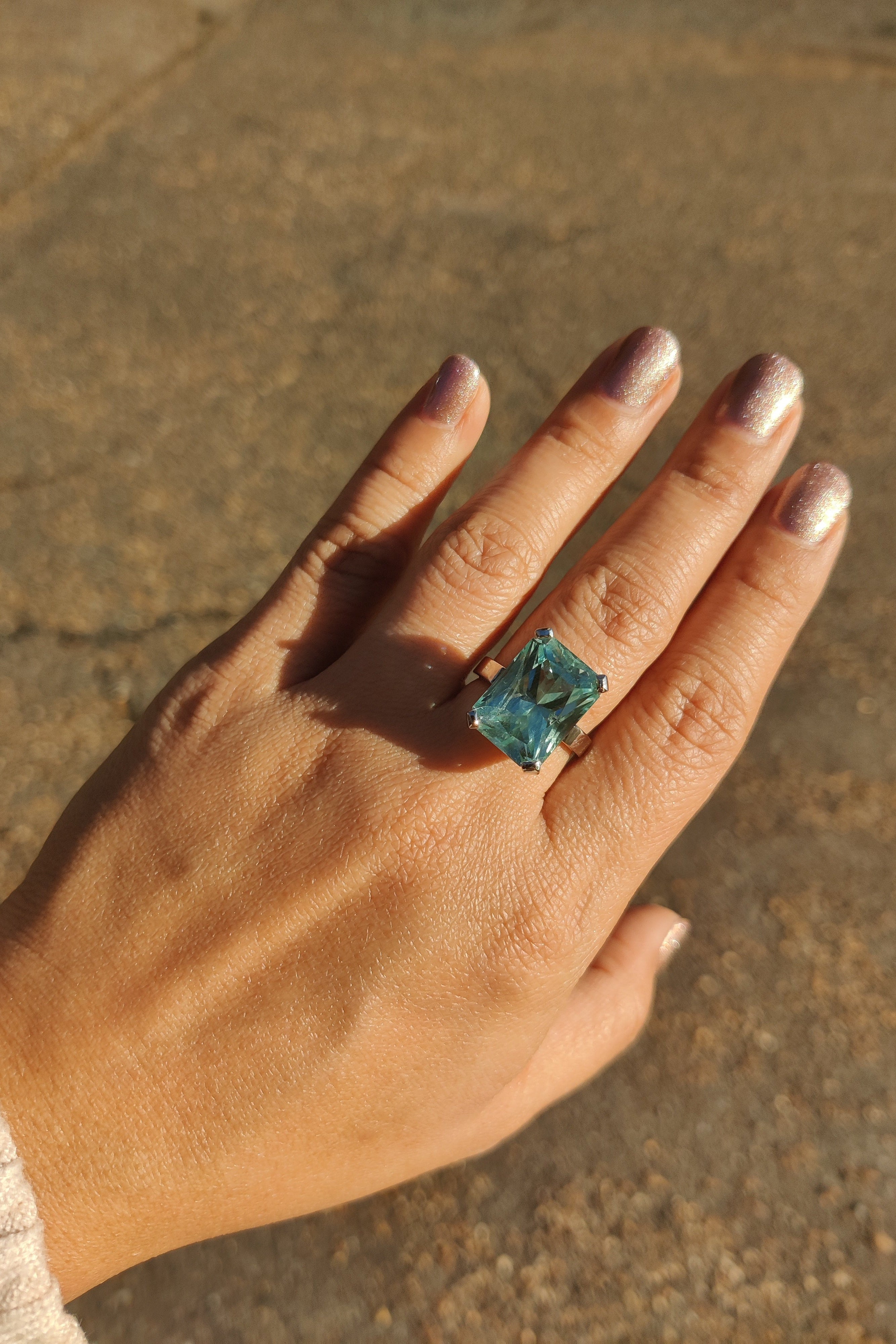
Prong settings remain popular because they let in light and show more of the stone. A well-proportioned prong setting can be secure, especially if the stone sits relatively low and the claws are properly shaped. Trouble tends to appear when the design is tall, slim, and exposed. More height usually means more chance of catching, and more catching usually means more stress on the setting.
Bezel settings have a quieter reputation, but they are often among the most practical ring settings for active hands. Because the metal surrounds the stone edge, the setting shields vulnerable points from direct knocks. In a kitchen, on a playground, or during rushed errands, that extra coverage can make a noticeable difference.
Channel settings can work well for side stones because they tuck smaller stones between strips of metal. That design reduces exposure along the shoulders of the ring. By comparison, very delicate pavé or highly ornate side details may need more attentive wear, particularly if they sit proud of the band.
Metal also affects ring setting strength. Platinum and gold alloys behave differently under pressure, and the design has to work with the chosen metal, not against it. In workshops shaped by Hatton Garden standards and careful CAD planning, jewellers often think about where force lands on a ring before a customer ever wears it. A thick ring is not automatically the best answer if the stone still sits high and exposed.
Stones at Risk, Settings that Shield
Stone and setting always work as a pair.
Ready to find your perfect engagement ring?
Book a Free Consultation
Round diamonds generally suit daily wear well because they have no sharp corners to chip. Square or pointed shapes, including princess, marquise and pear cuts, can be more exposed at their tips unless the setting protects those areas properly. A marquise stone in a raised setting may look striking, yet its pointed ends need thoughtful coverage if the ring will meet cupboards, toys, and kitchen hardware on a regular basis.
Hardness matters too, but it does not tell the whole story. Diamonds rank highly on the Mohs scale, although that does not make them indestructible. A hard stone can still chip at a vulnerable edge or loosen after a knock. Softer gemstones may need even more protection, especially in rings meant for constant wear.
A few combinations tend to make practical sense:
- Round stones in bezel settings for strong edge protection.
- Oval or cushion stones in lower-profile prong settings with solid claw work.
- More delicate gemstones in designs that cover corners and reduce height.
One common weak spot is the assumption that sparkle equals security. Open edges, sharp points, and high galleries can leave a stone more exposed than it first appears under bright lights. Jewellers with gemmology training and GIA knowledge will usually look at how the cut, shape, and setting coverage behave together, not as separate choices.
Metal Matters, Everyday Wear
Metal choice affects far more than colour.
Platinum is often favoured for engagement ring durability because it is dense and wears in a distinctive way. It can scratch, of course, but the metal tends to displace rather than wear away as quickly as some gold alloys. Gold varies more. Yellow, white, and rose gold all depend on their alloy mix, which influences hardness, colour, and how the ring responds to daily use.
White gold brings an extra point to remember. Its bright white finish often relies on rhodium plating, and that surface coating wears down with time. Handwashing, cleaning products, and ordinary friction can dull the look, so white gold maintenance is a normal part of ownership, not a sign that anything has gone wrong.
Cleaning agents deserve more attention than they usually get. Repeated exposure to household chemicals can affect finishes, leave residue under stones, and sometimes mask wear until a problem becomes visible. At our workshop near The Pantiles, we often see rings that are structurally sound but overdue for a proper clean and check because the early warning signs were hidden by everyday build-up.
Fitting, Resizing, and Real Life
A ring that felt perfect in a quiet showroom can feel surprisingly snug after a gym session or loose on a cold morning walk.
Fingers change with temperature, hydration, activity, and time of day. New parents often notice fit changes because sleep, stress, and constant movement affect the body in small ways. That does not mean the original size was wrong. It means ring fit issues are a normal part of wearing something every day.
Some rings are simpler to resize than others. Plain bands or straightforward solitaire designs usually allow more flexibility. Rings with full-set shoulders, intricate patterns, or complex stone layouts may need extra care because altering the shank can affect setting stability. A safe resizing approach takes the whole structure into account, not just the measurement.
Onsite work matters here. If a ring is adjusted in the same workshop where repairs and setting checks are carried out, the jeweller can assess whether claws, shoulders, and stone tension still look right after the size change. The Diamond Setter makes and repairs jewellery onsite rather than sending it elsewhere, and that kind of continuity is especially useful when a ring needs careful adjustment rather than a quick size change.
Maintenance, Repair, and the Unseen
Even a sturdy engagement ring needs attention now and then.

Loose stones rarely announce themselves dramatically at first. A claw may wear down gradually. A band may shift slightly out of shape after repeated knocks. Build-up under the setting can make cleaning harder and hide what is actually happening around the stone seat. Early intervention is usually far simpler than dealing with a missing stone or a heavily worn setting later.
Professional checks do not need to become a source of anxiety. They are simply part of owning a ring that is used properly. A practical routine might include cleaning it gently at home, taking it off for higher-impact gym work, and having it inspected if it catches more often than usual or starts to feel different on the finger.
Onsite repair has one quiet advantage. The person checking the ring can often see, handle, and assess the piece directly in a workshop setting rather than sending it away unseen. That can make stone tightening, claw repair, and small corrections more straightforward, especially for rings that are worn hard in daily life.
The Myth of the "Unbreakable" Setting
The common misconception is that a well-made engagement ring should survive absolutely everything if the setting is strong enough.
A strong ring can cope with a great deal, but no setting is unbreakable. Prongs wear, metals scratch, stones can loosen, and even the safest design has limits if it meets enough force in the wrong place. The better assumption is simpler and far more useful: a ring can be beautifully made, highly practical, and still need sensible wear and occasional care. Many people assume durability means invincibility, and that is usually the mistake that causes the most disappointment.
Not sure where to start? We can guide you.
Book a No-Obligation Chat
Leave a comment