


7 min read
What does an accented ring mean, and how many stones can yours safely hold?
An accented engagement ring uses smaller stones to support the centre stone, add detail to the band or frame the setting. The band can take as many stones as the design can safely hold, with the safe number set by width, stone size, setting style and everyday wear.

That is a useful starting point if you are choosing between a clean solitaire and a ring with more sparkle. Accent stones can be subtle, almost like a glint along the shoulders, or they can become a major part of the ring’s character.
Plenty of couples arrive knowing they like “a bit more detail”, yet they do not know whether they mean pavé, a halo, side stones or a hidden halo. We see that all the time. Once the terms make sense, the choice feels far less mysterious.
The main thing to remember is that accents affect the whole design. They change how the centre stone looks, how the ring feels on the finger, how it sits with a wedding band and how much care the setting needs over time.
In This Article
Accent stones change the whole ring design
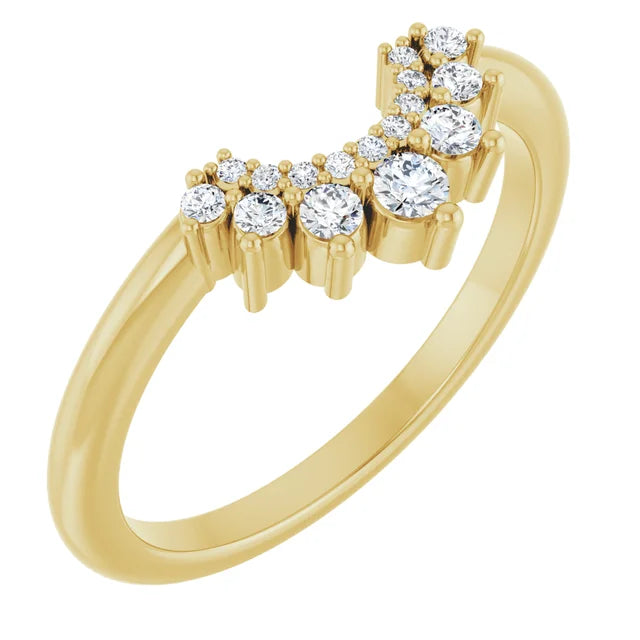
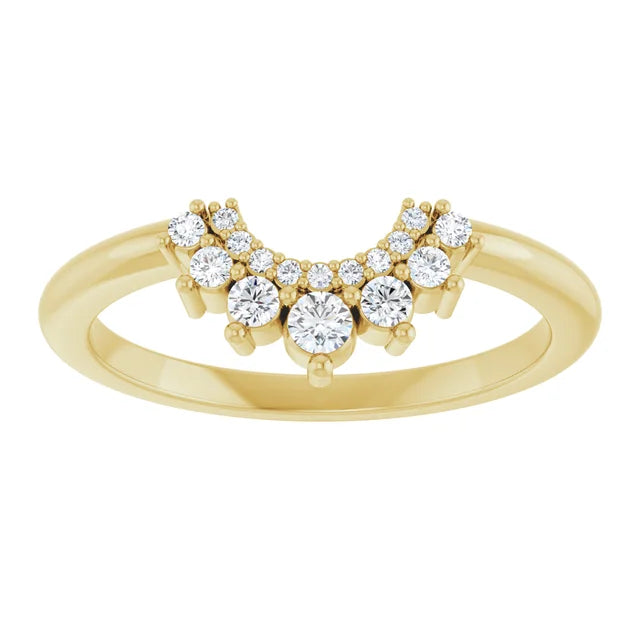
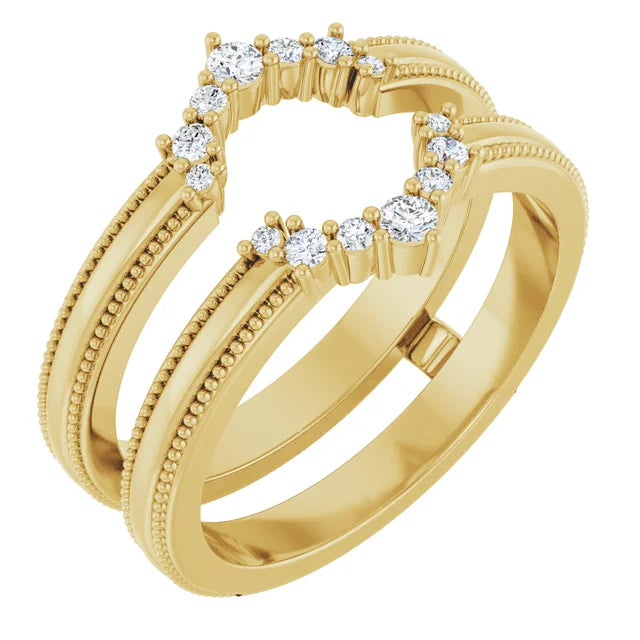
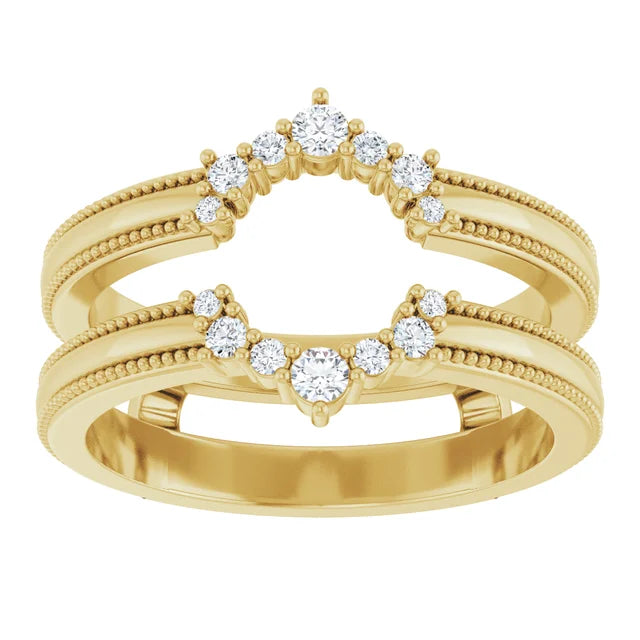
“Accented” describes the supporting stones in an engagement ring, wherever those stones are placed. They might sit beside the centre stone, run along the shoulders of the band, frame the main diamond or tuck underneath the setting for a flash of detail from the side.
The table below compares common accent styles with what each term means.
A side stone engagement ring places smaller diamonds or gemstones beside the centre stone for added sparkle, colour or shape. A halo engagement ring uses tiny stones around the centre stone, which can make the main diamond appear more prominent. Pavé refers to the way small stones are set close together, often along the band.
Those names can overlap. One accented engagement ring might have side stones and a hidden halo. Another might have pavé shoulders and a plain setting around the centre stone. We use the terms to describe the layout, then we look at whether that layout suits the hand and the way the ring will be worn.
Stone count is decided at the bench
The number of stones an engagement ring band can take comes from the physical design of the ring. Online pictures rarely show the details that matter at the bench, such as how much metal sits between the stones or how much room the ring leaves for future resizing.
Pro Tip
Bring a photo of jewellery the wearer actually chooses on normal days, not just inspiration images. Everyday taste can reveal whether a ring should feel crisp, soft, bold or understated.
A fine band with tiny melee diamonds can hold a very different number from a wider band with larger accents. The design also changes once you choose between pavé, channel, prong or bar-channel settings, because each method uses metal in a different way.
The main design factors are:
- Band width: wider bands give us more room to plan the stone layout than very fine bands.
- Ring size: the circumference affects how many stones can physically fit around the finger.
- Stone size: smaller melee can create more coverage, while larger accents need more metal around them.
- Setting style: pavé, channel, prong and bar-channel settings hold stones in different ways.
- Resizing room: a full band of stones can make later size changes harder.
- Lifestyle: daily hand use affects how protective the setting needs to be.
Stone count is a design calculation, not a fixed maximum. At The Diamond Setter, we design and set rings through our onsite workshop, so the accent layout can be drawn, checked and adjusted before the ring is made.
That matters because a small change on the drawing can make a real difference on the hand. A slightly different stone size, a touch more metal at the edge or a shorter run of diamonds along the shoulders can keep the look you want while making the ring easier to live with.
Pavé needs the right wearer and setting
Picture two rings with similar sparkle at first glance. One has delicate pavé running along the shoulders, and the other has accent stones set into a channel with metal walls on either side. Both can be beautiful, but they suit different hands and routines.
Ready to find your perfect engagement ring?
Book a Free Consultation
Pavé is a bead setting. Small gemstones are set into recessed holes and held by tiny beads of metal at the girdle, which is the outer edge of each stone. Because the stones sit close together, pavé gives a fine, glittering surface across the band.
That delicate look needs sensible design. Pavé diamonds can be more vulnerable if the wearer is extremely active with their hands, because the stones are small and the metal work is fine. Channel-set accents sit edge-to-edge inside a grooved channel, so the surrounding metal gives them more protection for daily wear.
Channel settings have a cleaner line, while pavé gives a softer shimmer. We look at how the ring will be worn before we steer the setting. A ring that spends every day on a busy hand needs its sparkle built for that life.
Total carat weight can mislead comparisons
Someone comparing two ring descriptions may see one ring with a higher total carat weight and assume it will look larger. The visual effect depends on where the diamond weight sits.
Pro Tip
Before discussing accent patterns, ask the wearer how much symmetry matters to them. Some people notice uneven detail straight away, while others prefer a design that feels less formal.
Centre stone weight describes the main stone on its own. Total carat weight, often written as tcw, describes the combined weight of all diamonds in a piece. A ring with many small accent diamonds can sound weightier on paper while still having a more delicate centre stone.
Melee diamonds, the tiny diamonds often used in pavé and halo settings, are commonly handled as a matched group. Buyers should not expect each tiny accent diamond to have its own grading report, because grading every small stone separately is not practical in normal jewellery making. What matters is how the stones are matched for the ring in front of you.
Clear wording also matters if you are comparing natural diamonds with laboratory-grown diamonds. The accepted terms are “laboratory-grown”, “laboratory-created” or “synthetic” diamonds. Precise language keeps the choice clear, especially when accents and centre stones are being compared together.
Budget is shaped by more than the number of diamonds. The centre stone, accent coverage, metal choice and setting work all affect the final design, so a calmer comparison starts with the look and build of the whole ring.
The best accent layout survives real life
When the ring is on your hand every day, the smallest design choices become practical. A stone set too high may catch. A band covered all the way round with diamonds may limit resizing. A halo that looks perfect from above still needs to sit neatly with the wedding band.

Those details are easier to judge in person. In our workshop at The Pantiles, Tunbridge Wells, we can look at the ring profile, the wearer’s hand and the wedding band fit together, because accent stones are part of the whole ring rather than an add-on.
Aftercare belongs in the same conversation. At The Diamond Setter, we make and repair jewellery onsite, and pieces come with a lifetime service guarantee, so we think about how the ring will be cleaned, checked and cared for after it leaves the bench.
A strong accent layout should feel deliberate on the hand, not crowded on the drawing. The best choice is the one that gives you the sparkle you love while still suiting the wearer’s life, habits and future wedding band.
Questions couples ask us about accented engagement rings
Can an accented ring still look simple?
Yes. Small accent stones can be used very quietly, especially along the shoulders or beneath the centre setting. We often find that the simplest accented rings work because the detail supports the centre stone without taking over.
Do accent stones have to be diamonds?
No. Accent stones can be diamonds or other gemstones, depending on the colour and feel you want. The main point is that the smaller stones need to work with the centre stone and the metal, both visually and structurally.
Can inherited jewellery be used in an accented design?
Inherited jewellery can sometimes be remodelled into a new engagement ring, depending on the condition, size and suitability of the stones or metal. We would need to assess the piece before deciding what can be reused safely.
Can a hidden halo be added without making the ring look busy?
Yes, if the proportions are right. A hidden halo is usually seen from the side, so it can add detail without changing the clean face-up look of the ring too much.
Is a diamond band a better choice than a plain band?
A diamond band gives more sparkle and detail, while a plain band gives a cleaner look and simpler upkeep. The better choice is the one that suits the wearer’s taste, routine and future wedding band.
Not sure where to start? We can guide you.
Book a No-Obligation Chat
Leave a comment