

7 min read
So, how much should you really spend on an engagement ring?
A sensible engagement ring budget is the amount you can spend comfortably, then shape through stone, metal and design choices. Bridebook puts the current UK average at £2,247, but that figure is a benchmark. We start bespoke engagement rings from £2,000, with wide variation above that.

In This Article
Salary rules make budgets worse
Salary rules still get repeated because they sound simple. One month’s salary. Three months’ salary. A neat answer feels useful when you are buying something unfamiliar, but it does not know your savings, your priorities, your shared plans or your tolerance for financial pressure.
Bridebook lists those salary ideas as traditions, and also makes clear that buyers do not have to follow them. We agree with that. The better starting point is plain: choose a budget you can explain without wincing.
Plenty of first-time buyers worry about looking ungenerous. That worry can push people into spending for the wrong audience. Your partner will wear the ring every day, so the stronger question is whether the ring suits their taste and whether the spend fits your real life.
A smaller budget can still produce a considered, well-made ring if the choices are handled carefully. A higher budget can also make sense if it is affordable and deliberate. The number matters less than the thinking behind it, which is where the stone becomes the first serious decision.
The price changes at the stone first
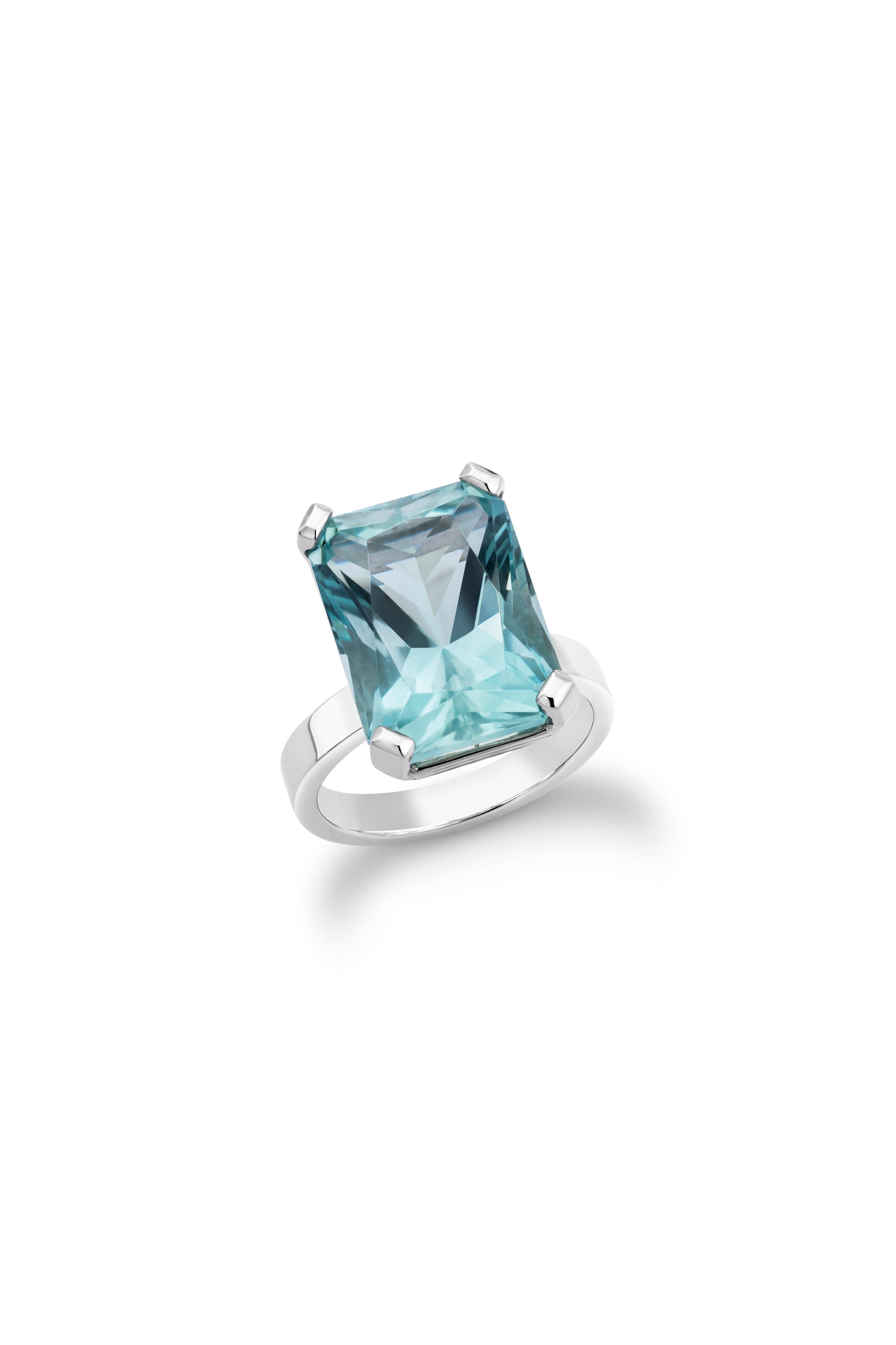
Two engagement rings can sit at very different prices before we even talk about the setting. The centre stone normally drives the largest visible shift in cost, especially if you are comparing diamond type, size and grade.
Pro Tip
Start with the maximum amount you can spend comfortably, then decide which feature matters most. That gives you a clearer brief and prevents the budget from drifting once you begin comparing stones.
GIA, the diamond grading body, uses the 4Cs as the standard way to assess diamonds: cut, colour, clarity and carat weight. Carat is weight, and GIA defines one metric carat as 200 milligrams. That matters because a heavier diamond is not always the best-looking choice for your hand or your budget.
Cut, colour and clarity change how a diamond is judged and priced. We spend a lot of time helping buyers avoid the trap of chasing carat weight alone, because a smaller stone with better proportions can be a clearer choice than a larger stone where the compromises are obvious.
Here is the simple way to think about the main levers.
Lab-grown diamonds add another option, but they need a calm conversation rather than a blanket answer. De Beers reported a 93% decline in synthetic lab-grown diamond wholesale prices since 2020, which shows how much the market has moved. That is industry-level context, not a UK retail price promise, so we use it carefully when comparing options.
For many buyers, the practical answer is to decide what you want the stone to do. Some people want the largest possible look for the budget. Others care more about diamond grading, a natural diamond, a particular shape or a very clean setting. Once that preference is clear, the rest of the ring can be planned with far less guesswork.
Metal and setting choices quietly add up
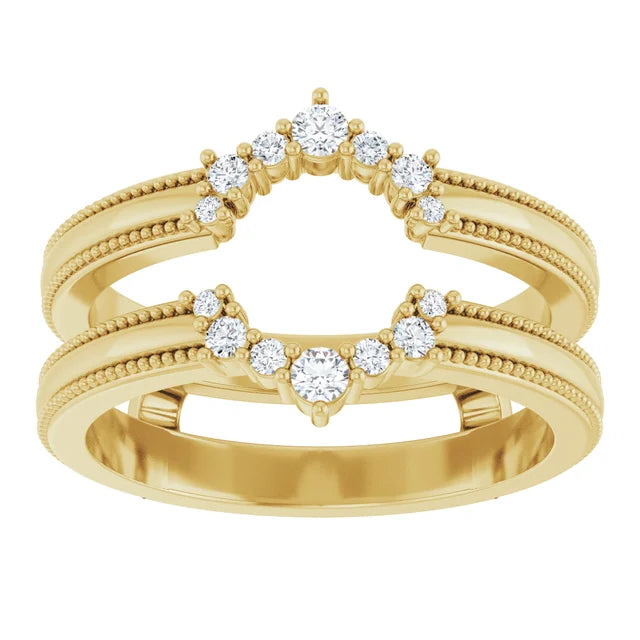
A buyer might start with a simple solitaire, then add shoulder stones, a halo, a more detailed band or a different metal. Each change can be small on its own, but the total design can move the final cost more than people expect.
Want to learn more about choosing the right stone?
Speak to Our Experts
Metal choice affects the ring’s price and its practical feel. Gold and platinum both have their place, and the right option depends on the design, the wearer and the budget.
Setting style decides how much work sits around the stone. A plain solitaire keeps attention on the centre stone and can be a very clear way to spend. A more detailed setting brings extra work and extra material.
Extra stones add cost in two ways. You are paying for the stones, and you are also paying for the work needed to set them securely.
Personal details can be simple. Engraving, a small design feature or a carefully chosen profile can give a ring its own character without making the whole piece complicated.
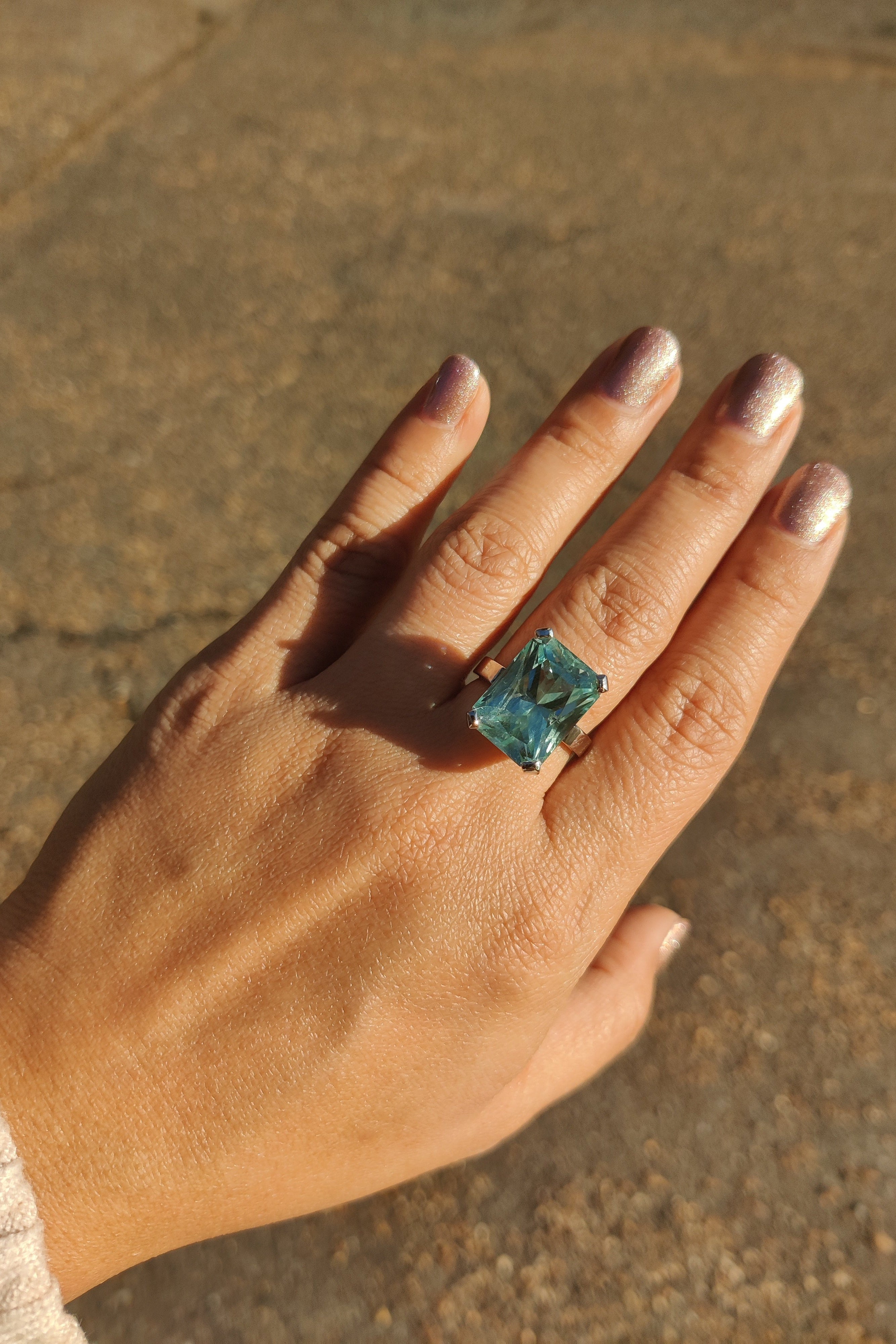
Alternative gemstones can suit some buyers well, but price should not be the only reason to choose one. Daily wear matters. So does the wearer’s taste. We would rather adjust a design properly than force a cheaper-looking version of a ring that was planned around a different budget.
Bespoke works as a budget tool
Bespoke engagement ring design should begin with the budget, because that lets us shape the choices before anything is made. At The Diamond Setter, we make and repair jewellery onsite in our own workshop at The Pantiles, Tunbridge Wells, so design choices can be discussed with the people doing the work.
Pro Tip
Ask to see two rings with different centre stone choices in the same setting. It is often the fastest way to see where cost changes make a visible difference and where they do not.
That matters because bespoke is not a pre-set display where you have to accept the ring as it already exists. Computer-aided design, known in jewellery as CAD design, lets us adjust proportions and detail on screen before the ring is made.
A sensible bespoke process runs in this order:
- Start with the budget you want to stay within. We can then avoid showing options that pull the design away from that number.
- Compare stone options. Natural diamonds, lab-grown diamonds and different shapes can all change what is possible.
- Choose the setting direction. A clean solitaire, a ring with shoulder stones or a more detailed design will each spend the budget differently.
- Refine the design in CAD. Proportions, band shape and detail can be adjusted before approval.
- Approve the final route before making begins. At that point, the ring has a clear specification rather than a vague idea.
Our Hatton Garden training and GIA certification help here, but the most useful part for a nervous buyer is simpler: you can talk through the trade-offs in plain English. A no-obligation design conversation can be used just to understand what your budget can do.
The best spend is the one you can explain
The real question is rarely the number by itself. Most buyers want to know whether they are spending sensibly, whether they are being pushed, and whether the ring will feel right for the person wearing it.
A good budget has reasons behind it. You know why you chose that stone. You know why the metal suits the design. You know where detail was worth adding and where simplicity served the ring better. Documentation and qualified guidance also matter, because they help you understand what you are buying instead of relying on sales patter.
Choosing alone can work. Shopping together can also work. The method matters less than having enough information to make calm decisions.
At The Diamond Setter, we help buyers compare options without treating the highest spend as the best answer. A ring budget is not a test of generosity. It is a set of choices, and the best one is the spend you can stand behind without needing to justify it later.
Questions we get asked about engagement ring budgets
Is £2,000 enough for an engagement ring?
Yes, £2,000 can be enough for an engagement ring if the design is planned carefully. Our bespoke engagement rings start from £2,000, with the final cost shaped by the stone, metal and setting choices.
Is £5,000 too much to spend on an engagement ring?
£5,000 is not too much if it fits your finances and the extra spend has a clear purpose. A higher budget can open up different stone or design options, but it should still feel comfortable.
Should I buy a lab-grown diamond engagement ring?
A lab-grown diamond can be a good option if it suits your priorities and budget. We would compare it alongside natural diamonds so you can see the trade-offs clearly before deciding.
Does an engagement ring have to be a diamond?
An engagement ring does not have to be a diamond. Other gemstones can work well for some designs, but daily wear and suitability matter, so the choice should be guided by more than price.
Should I choose the ring myself or shop with my partner?
Both routes can work. If you want a surprise, bring as much information as you can about style and size; if you shop together, the budget conversation often becomes much easier.
This is general information, not professional advice.
Questions about stones? We are happy to help.
Talk to Our Team
Leave a comment