


What are the most significant bespoke tweaks that transform the appearance and feel of a solitaire engagement ring?
The choice of setting style, band profile, metal, shoulder detailing, gallery design, stone orientation, and personal engraving can each significantly change both the look and daily comfort of a solitaire engagement ring. Understanding these options empowers you to create a piece that reflects your style and fits perfectly into your life.

1. Setting Style: The Foundation of Your Solitaire's Character
Many clients arrive at The Diamond Setter's Tunbridge Wells showroom curious about why the ring setting matters so much. Setting style is the foundation of both the look and practicality of a solitaire ring.
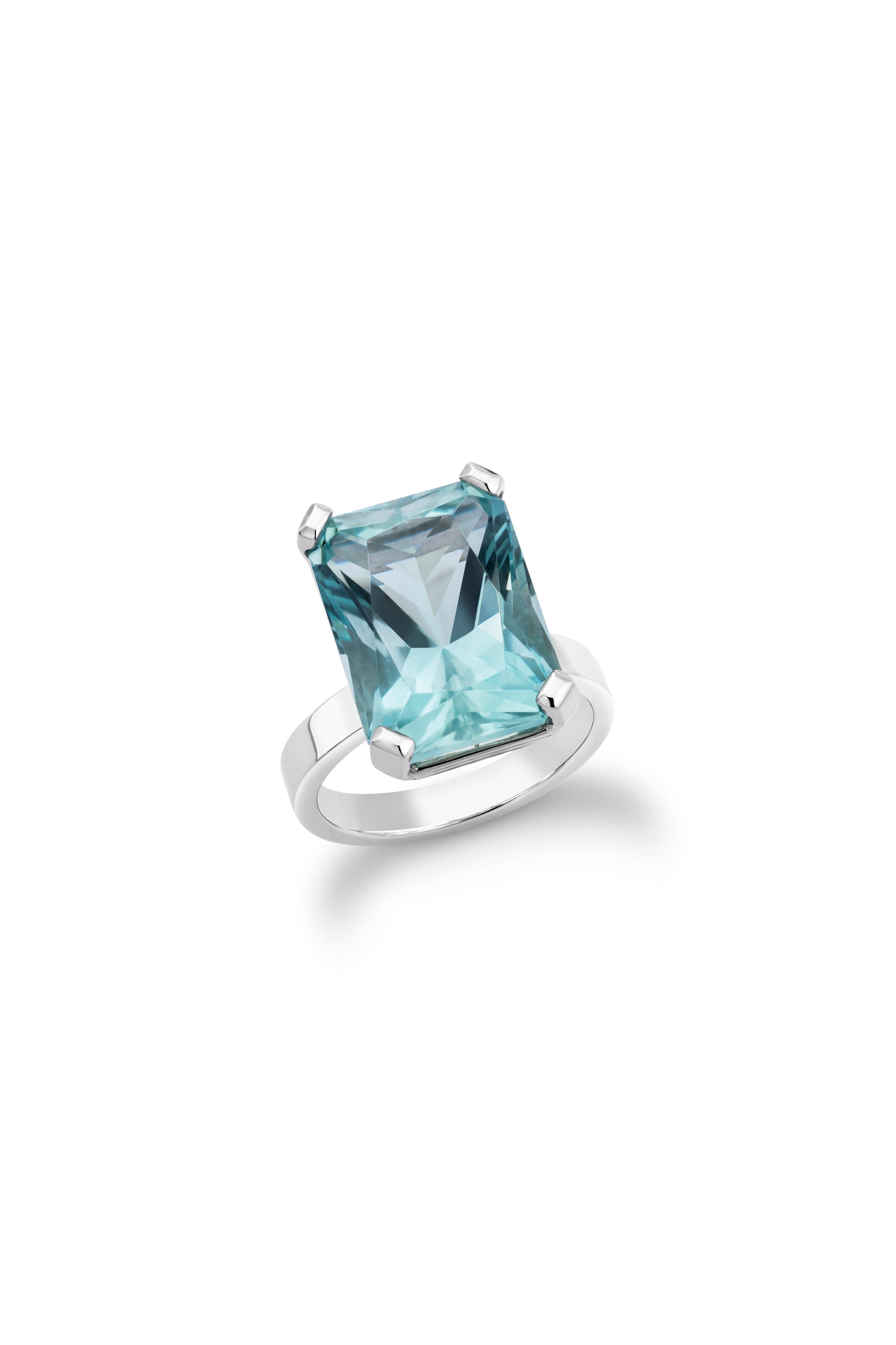
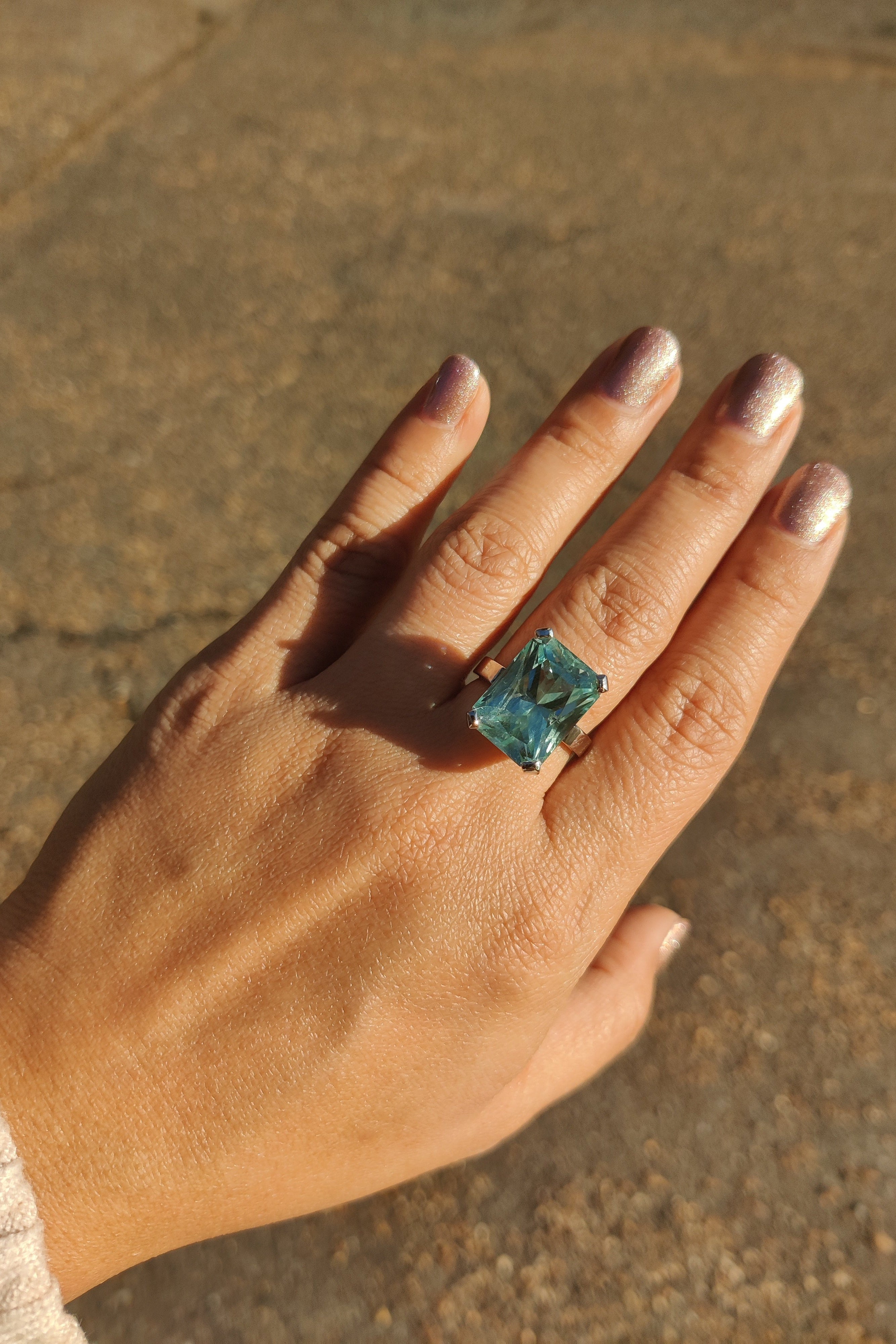
Prong (Claw) Setting — This is the classic choice. Fine claws hold the diamond high above the band, which lets in maximum light for sparkle. The prongs can be slim and minimal or shaped for more presence. Many love its timeless appearance, but some worry about catching the setting on clothing. A well-made prong setting, especially one designed in-house using CAD, balances security and openness.
Bezel Setting — Here, a rim of metal encircles the stone completely, resulting in a smooth, modern finish. Bezel settings provide excellent protection, making them popular for active lifestyles. They suit those concerned with daily wear and maintenance. The slightly lower height helps prevent snagging, and closed sides can protect the diamond edges.
Tension Setting — The stone appears to float between two ends of the band. This style strikes a bold, contemporary note, but it requires precise engineering for safety. Not all stones or finger sizes suit tension settings, so these are best discussed directly with your jeweller.
Open vs Closed Gallery — Settings with an open gallery let more light reach the diamond, which means extra sparkle when you move your hand. By contrast, closed galleries may make cleaning a little easier and add extra protection.
Every engagement ring at The Diamond Setter starts with a conversation and hands-on samples. Clients are encouraged to try different setting heights and styles, feeling the comfort and visual impact themselves before any decision is made.

2. Band Profile and Width: Subtle Shifts, Dramatic Effects
The look and feel of a solitaire ring change dramatically depending on the band's profile and width. Many clients are surprised by how much this detail matters.
A slim, softly rounded band highlights the centre stone and suits most hand shapes, creating a delicate, airy profile. Those with larger hands or a preference for statement jewellery might find a slightly wider band more balanced. Think of it as choosing the perfect frame for a work of art — too thick or too thin can alter the overall effect.
Knife-edge bands bring a crisp, elegant edge that feels sleek, while flat profiles offer a modern, architectural look. On the other hand, a traditionally rounded or comfort-fit band sits gently against the finger, ideal for daily wear and for those sensitive to edges.
Consider how a narrow band can make the diamond appear larger, while a thicker band grounds the ring and gives a sense of substance. Myths about durability often surface here: both slim and wide bands can be long-lasting if designed and crafted well, which is carefully overseen by the goldsmiths at The Diamond Setter.
During your visit to The Pantiles showroom, you can handle various band profiles and widths, helping you visualise exactly how your finished ring will feel and look.
3. Metal Choice: Colour, Feel, and Everyday Practicality
The choice of metal influences not just the colour but also how your ring wears over the years.
Yellow Gold — Warm and traditional, yellow gold brings a classic tone, particularly flattering on warmer skin tones. It is relatively easy to maintain and develops a gentle patina over time.
White Gold — White gold looks fresh and modern, and is often rhodium-plated for extra brightness. Some clients find it suits lighter skin tones beautifully. It may need periodic re-plating to maintain its cool shine.
Rose Gold — Blush-toned rose gold offers a vintage-inspired charm and a romantic touch. It flatters most complexions and stands out as a distinctive choice.
Platinum — Chic and understated, platinum is highly durable and hypoallergenic. It resists wear and age, so it is ideal for those with sensitive skin or a preference for permanence. Its natural whiteness does not require plating but may develop a soft finish over time.
Each metal reacts differently to daily wear and maintenance, so choosing one that aligns with your lifestyle can prevent future regret. At The Diamond Setter, you are encouraged to try on different metals, compare warmth or coolness against your skin, and discuss any sensitivities or care routines.

4. Shoulder Detailing: From Sleek to Embellished
Shoulder details can transform the mood of a solitaire ring, from understated elegance to eye-catching embellishment.
Plain Shoulders — A simple, uninterrupted band places all focus on the centre stone. This is ideal for classic minimalism.
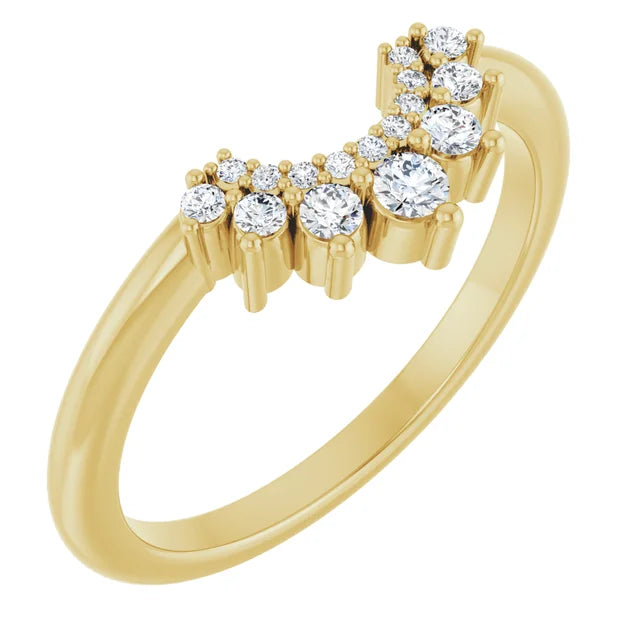
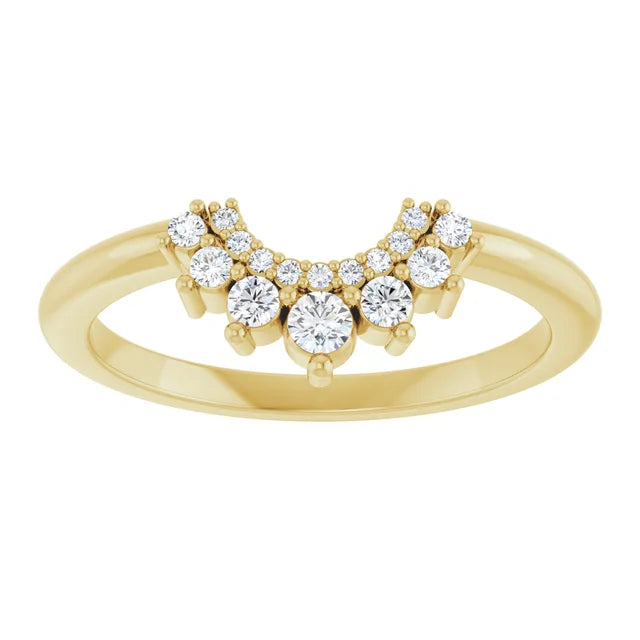
Diamond-set Shoulders (Pavé) — Rows of tiny diamonds along the shoulder add brilliance and glamour. Pavé shoulders suit those wanting extra sparkle and a luxurious finish. In practical terms, pavé settings benefit from careful design to reduce the chance of catching or losing accent stones.
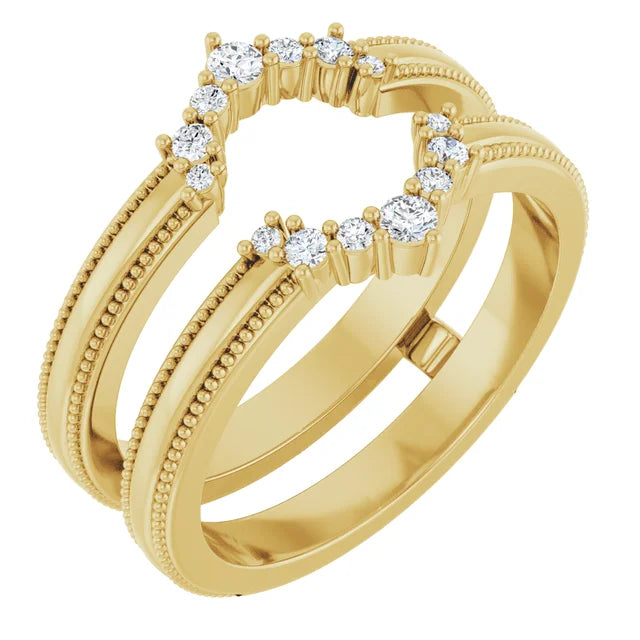
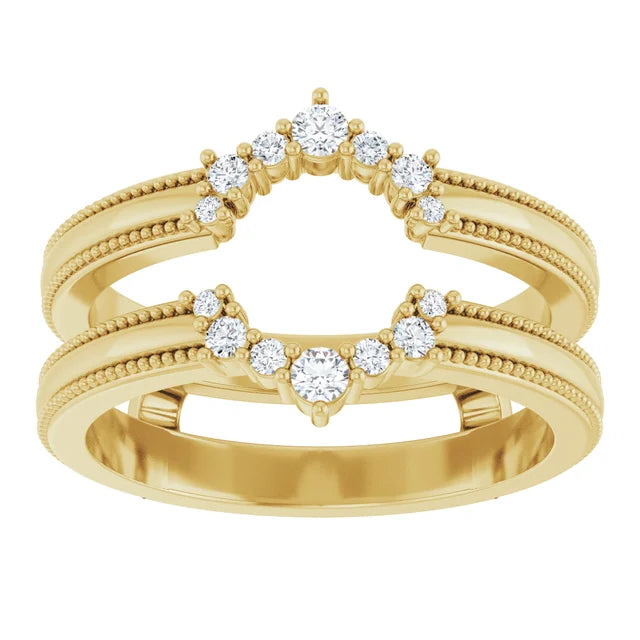
Engraving or Milgrain — Subtle engravings, tiny bead-like milgrain edges, or fine patterns can infuse vintage flair and decorative interest. These techniques work especially well for those seeking a personalised or heirloom-inspired ring.
Pros and cons at a glance:
- Plain shoulders: sleek, timeless, lowest maintenance
- Diamond-set: high sparkle, more intricate, slightly more care required
- Engraving/milgrain: unique texture, vintage look, may require delicate cleaning
If you are considering remodelling inherited jewellery, shoulder detailing can refresh an older stone without masking its character. The Diamond Setter's goldsmiths can guide you in shaping these accents, letting your taste take centre stage.
5. Gallery and Under-Bezel Design: Hidden Details, Lasting Impressions
Picture slipping off your ring and catching a glimpse of delicate curves or a tiny diamond just beneath the centre stone. The gallery, the side view of your ring, and under-bezel area are often overlooked, yet they offer a canvas for personal touches that remain your secret joy.
Open galleries allow light to dance through the stone, giving a sparkle that can surprise you in different lighting. Closed galleries, meanwhile, prioritise strength and reduce crevice build-up for easier care.
Some choose to add a hidden diamond, a filigree swirl, or an engraved message on the gallery rail. These touches often carry sentimental value, reserved for the wearer's eyes or close loved ones. They can also strengthen the structure and make cleaning simpler.
For those who love detail, or wish to mark a personal memory without showing it off to the world, gallery and under-bezel features make a ring truly unique from every angle.

6. Stone Orientation and Proportion: Classic or Contemporary
Changing the direction and shape of the centre stone can completely alter the ring's personality.
A traditional solitaire places a round or oval diamond north-south along the finger, which creates a classic elongating effect. Newer trends explore east-west settings, where longer stones (such as ovals or emerald cuts) sit horizontally, lending a fresh, modern vibe.
Stone shape also plays a part — pear-shaped stones can be pointed up, down, or set slightly off-centre for artistic flair. Asymmetrical placements may suit those drawn to contemporary design and self-expression.
These custom choices affect the ring's style but also the way it moves with your hand and covers the finger. Many clients are surprised by how much orientation influences daily comfort, so in-person trials at The Pantiles really make a difference.
If you bring ideas or sketches, or want to explore before-and-after transformations, The Diamond Setter offers design consultations using CAD software to visualise changes before a single metal is shaped.

7. Personal Engraving and Secret Symbols: Meaning Beyond the Visible
The final flourish for many bespoke solitaires is personalisation that exists just for you. Engraving a date, initials, or a private message inside the band can make a ring much more than a beautiful object — every glance becomes a reminder of your story.
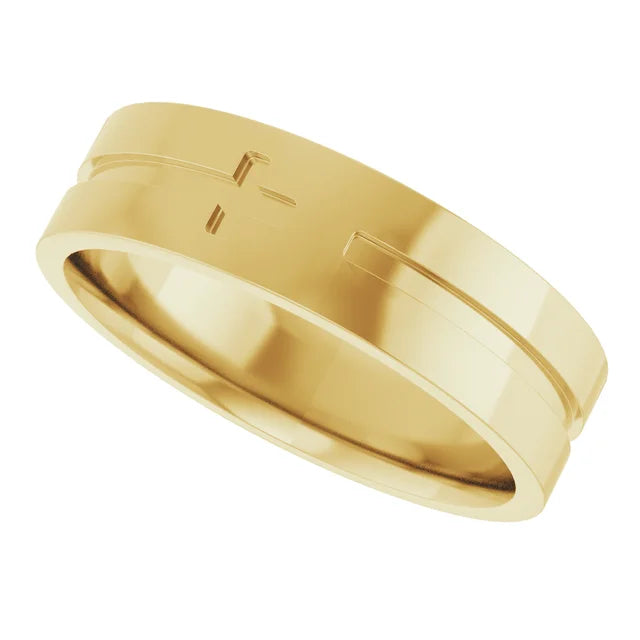
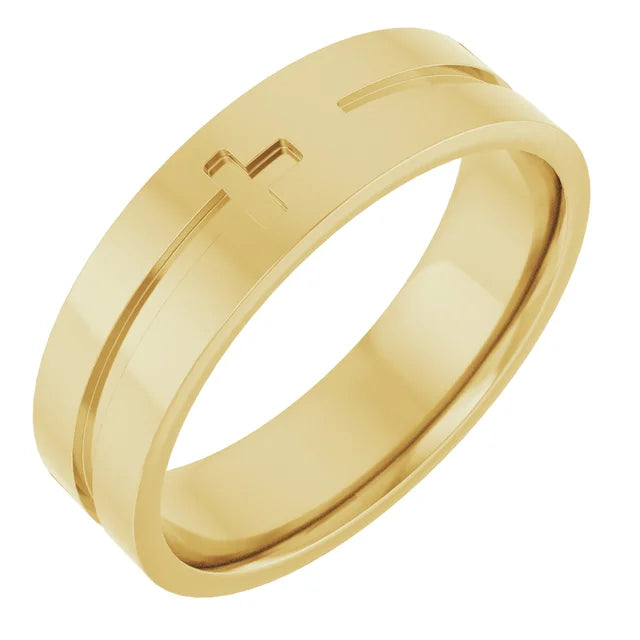
Subtle motifs or custom symbols are also possible, from a couple's shared memory to a loved one's handwriting beautifully recreated in precious metal. For those wishing to incorporate religious, cultural, or sentimental elements discreetly, these options add emotional depth.
Practical considerations matter too. All engraving at The Diamond Setter accounts for future resizing needs, ensuring both appearance and legibility last for years to come.
The process is intimate and bespoke. Clients are invited to discuss what would make their ring meaningful, whether it is a fleeting word, a symbolic date, or a hidden pattern. This act of personalisation creates an heirloom with a story unique to you.
Booking Your Bespoke Consultation: Next Steps at The Pantiles
Taking the first step is simpler than most expect. You are invited to book a no-obligation appointment with an experienced jeweller at The Diamond Setter's showroom in Kent, or opt for a video consultation if you live elsewhere in Kent, East Sussex, London or Surrey.
During your visit, you will have the chance to:
- Try different settings, metals, and band profiles
- Handle previous works and sample rings
- Talk openly about preferences, lifestyle, or heirloom projects
- Explore the onsite workshop and see examples before making any decisions
Booking is friendly and pressure-free. Whether you want to create an engagement ring from scratch, remodel inherited jewellery, or simply ask questions, your jeweller is there to listen. Reach out today to arrange your bespoke ring consultation and begin shaping a ring that tells your story, inside and out.

Solitaire engagement rings: 7 bespoke tweaks that change the look and the wear
Leave a comment