


7 min read
Can you wear an aquamarine ring every day?
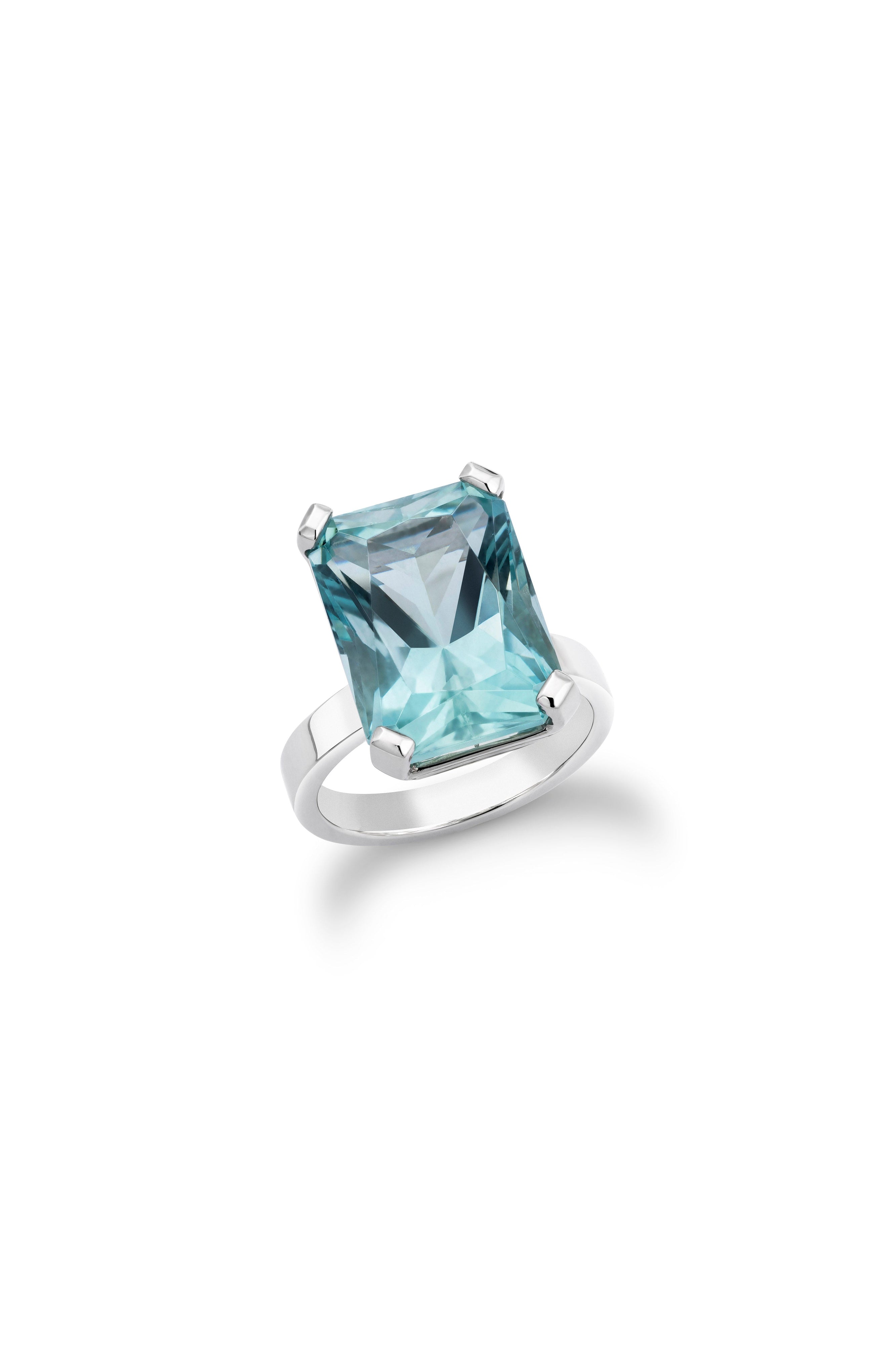
Yes, an aquamarine ring can be worn every day by someone who is careful with jewellery. Aquamarine gives that pale blue, softer look many couples love, and it can be a beautiful centre stone, but diamond, ruby and sapphire are easier to look after in harder daily wear.

We see the same pattern often: someone falls for an aquamarine engagement ring online because the colour feels calm, personal and a little different, then the practical worry arrives. Will it scratch? Will it chip? Will choosing a non-diamond engagement ring feel like a mistake later?
That worry is sensible. A ring worn on the hand lives a harder life than a pendant or earrings. It meets door handles, bags, gym equipment, cleaning products and the edge of the kitchen counter.
Aquamarine suits the person who loves its colour enough to treat it with care. The deciding factors are durability, setting design and the way you look after the ring over time.
In This Article
Durability means more than hardness
Aquamarine has good scratch resistance for jewellery, although hardness is only one part of durability. GIA puts aquamarine at 7.5 to 8 on the Mohs hardness scale, which makes it wearable with care and protection from hard knocks.
Hardness tells you how well a gem resists scratches. It does not tell you how it copes with a sharp knock, heat, household chemicals or constant rough wear. For coloured gemstone engagement rings, we look at the whole picture: scratch resistance, toughness and stability in normal life.
Sapphire gives the easiest blue comparison. GIA puts ruby and sapphire at 9 on the Mohs scale, so a blue sapphire engagement ring is the more forgiving choice for someone who wants a coloured stone and does a lot with their hands. Aquamarine still has its place, especially when the wearer likes a paler, lighter colour and accepts a bit more care.
Imagine two people choosing the same aquamarine centre stone. One removes their ring for gardening, lifting weights and heavy cleaning. The other sleeps in it, wears it to the gym and never thinks about what their hands are doing. The stone has not changed, yet the choice makes far more sense for one person than the other.
Lifestyle makes the comparison clear
Daily wear means different things to different people. For one wearer, daily wear includes taking the ring off for practical tasks; for another, it means the ring stays on through almost everything.
Pro Tip
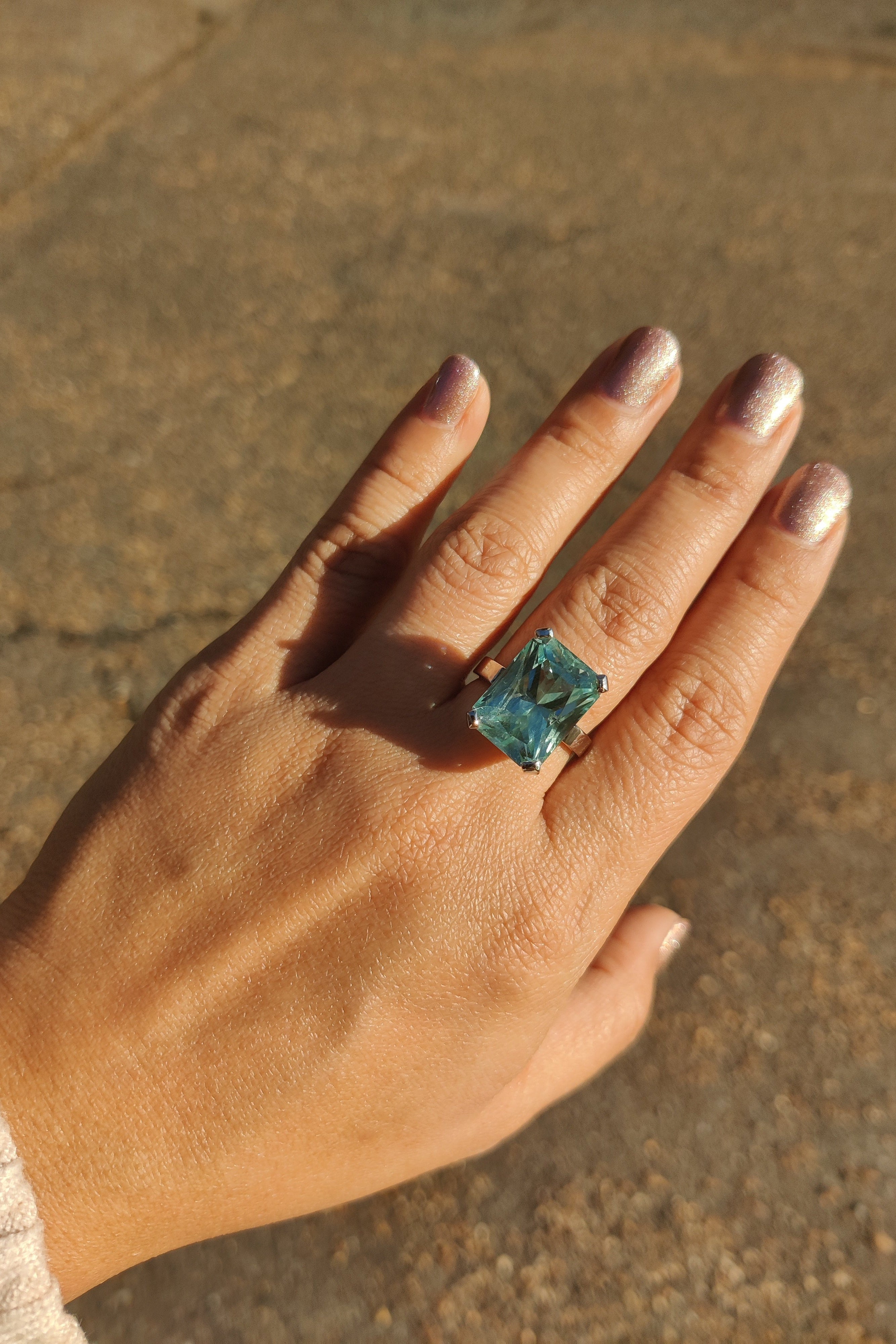
If you love aquamarine, ask to see it in natural light on the hand. Pale blue stones can look very different under bright photography and in everyday wear.

The table below compares choosing aquamarine with choosing sapphire or diamond for an engagement ring.
Neither choice is a failure of taste. Aquamarine and sapphire simply suit different kinds of wearer. Once you recognise your habits, the next question becomes how the ring itself can protect the stone.
Protective settings make aquamarine practical
The same aquamarine can feel quite different depending on how it is set. A high, exposed stone catches more easily; a lower setting with thoughtful metal support gives the gem a better chance in everyday life.
Want to learn more about choosing the right stone?
Speak to Our ExpertsAt The Diamond Setter, we make and repair jewellery onsite in our own workshop at The Pantiles in Tunbridge Wells, so we think about the first design and future maintenance together. For an aquamarine engagement ring, that means looking at how exposed the centre stone will be before falling in love with the sketch.
Pro Tip
For an aquamarine ring, setting height matters as much as the stone itself. A lower, more protective design usually gives better everyday comfort.
Stone height and exposure
A very raised aquamarine can look striking in a photograph, especially from the side. On the hand, that height gives the stone more opportunity to catch on sleeves, bags and hard surfaces.
Lower settings feel more practical for many couples because the centre stone sits closer to the finger. The ring can still look delicate, but the design gives the aquamarine less to fight against during normal wear.
Corners, claws and shape
Aquamarine can be cut into many shapes, and common choices include emerald cuts, rounds and oval brilliants. Shape matters because corners and edges can be more exposed than a smooth oval or round outline.
Secure claws, a supportive gallery and more protective metal around vulnerable points all help. A bezel-style edge, where metal wraps around more of the stone, can also suit some designs. The right answer depends on the look you want and how much protection the stone needs.
Good setting design will never make aquamarine behave like sapphire, yet it can remove avoidable weak points from the ring.
Long-term care decides the answer
A beautiful aquamarine ring asks for simple habits. Warm soapy water is the safe cleaning default, and harsher cleaning methods deserve a jeweller's view first because inclusions, fractures or fracture filling can change what is suitable.

Treatment is another area where a plain conversation helps. Heat treatment can shift aquamarine toward a bluer appearance and is considered stable under normal handling, so treatment alone does not make a stone a poor choice. Fracture filling matters more for care, because a fracture-filled aquamarine needs gentle cleaning with warm soapy water only.
Colour expectations also deserve a look in person. Smaller aquamarines can appear paler than the strong blue many people imagine, and most fine faceted aquamarines are expected to look clean to the eye with good transparency. A stone that looks icy and subtle may be perfect for you; another couple may prefer the stronger blue of sapphire.
Before choosing aquamarine, these are the questions worth asking:
- How protected will the centre stone be? Ask about height, claws and exposed corners, especially if you like emerald-cut or angular shapes.
- Has the aquamarine been treated? Heat treatment is common enough to discuss calmly, while fracture filling changes cleaning advice.
- How should this exact ring be cleaned? Warm soapy water is the safe base, and ultrasonic or steam cleaning needs judgement if the stone has fractures or liquid inclusions.
- Does the colour look right in normal light? Aquamarine can look very pale, so judge the stone on your hand, not in a close-up image.
- How will the ring be checked over time? Coloured gemstone rings benefit from having claws, setting security and the stone itself inspected.
At The Diamond Setter, our lifetime service guarantee fits naturally with this kind of ring because aquamarine rewards steady care. The real question is whether you want a ring chosen purely for maximum ease, or one chosen for colour, meaning and a little extra thought. Aquamarine is a good choice when that trade-off feels like part of the pleasure, not a compromise.
Questions we get asked about aquamarine engagement rings
Will a small aquamarine look very pale?
A smaller aquamarine can look pale, especially if you are imagining a strong blue stone. You need to see the stone in normal light and against your skin before deciding whether the colour has enough presence for an engagement ring.
Does heat treatment make aquamarine a poor choice?
Heat treatment does not automatically make aquamarine a poor choice. It is used to shift the colour toward blue and is considered stable under normal handling, so the key point is honest disclosure and care advice for that specific stone.
Can aquamarine chip if I knock it?
Aquamarine can be damaged by hard knocks, which is why setting protection and daily habits matter. We pay close attention to exposed edges, stone height and secure claws when designing an aquamarine centre stone ring.
Is visible marking inside an aquamarine normal?
Most fine faceted aquamarines are expected to look clean to the eye, so visible marks deserve a closer look. Some inclusions affect appearance only, while fractures can affect cleaning choices and long-term care.
Can an aquamarine engagement ring be remodelled later?
An aquamarine engagement ring can often be remodelled later if the stone remains in suitable condition. We would need to inspect the gem and setting before advising on a new design, especially if the ring has been worn every day.
Questions about stones? We are happy to help.
Talk to Our Team
Leave a comment