

7 min read
Can a ring you do not love be changed in a way that still feels meaningful?
Yes. A ring can often be resized, reset, remodelled, or completely redesigned without losing the meaning behind it. The emotional value usually lives in the relationship, the moment, and the intention, in the exact shape of the jewellery.

In This Article
- What makes someone fall out of love with their ring?
- Can a ring really be changed without losing its meaning?
- What options exist if I want to change the ring?
- How does the process work if I decide to make a change?
- What should I consider before committing to a change?
- What’s the one thing that matters most in this decision?
What makes someone fall out of love with their ring?
You open the box, smile, say yes, and then keep glancing at the ring with a strange, quiet uncertainty. Nothing is exactly wrong, but it does not feel like you.
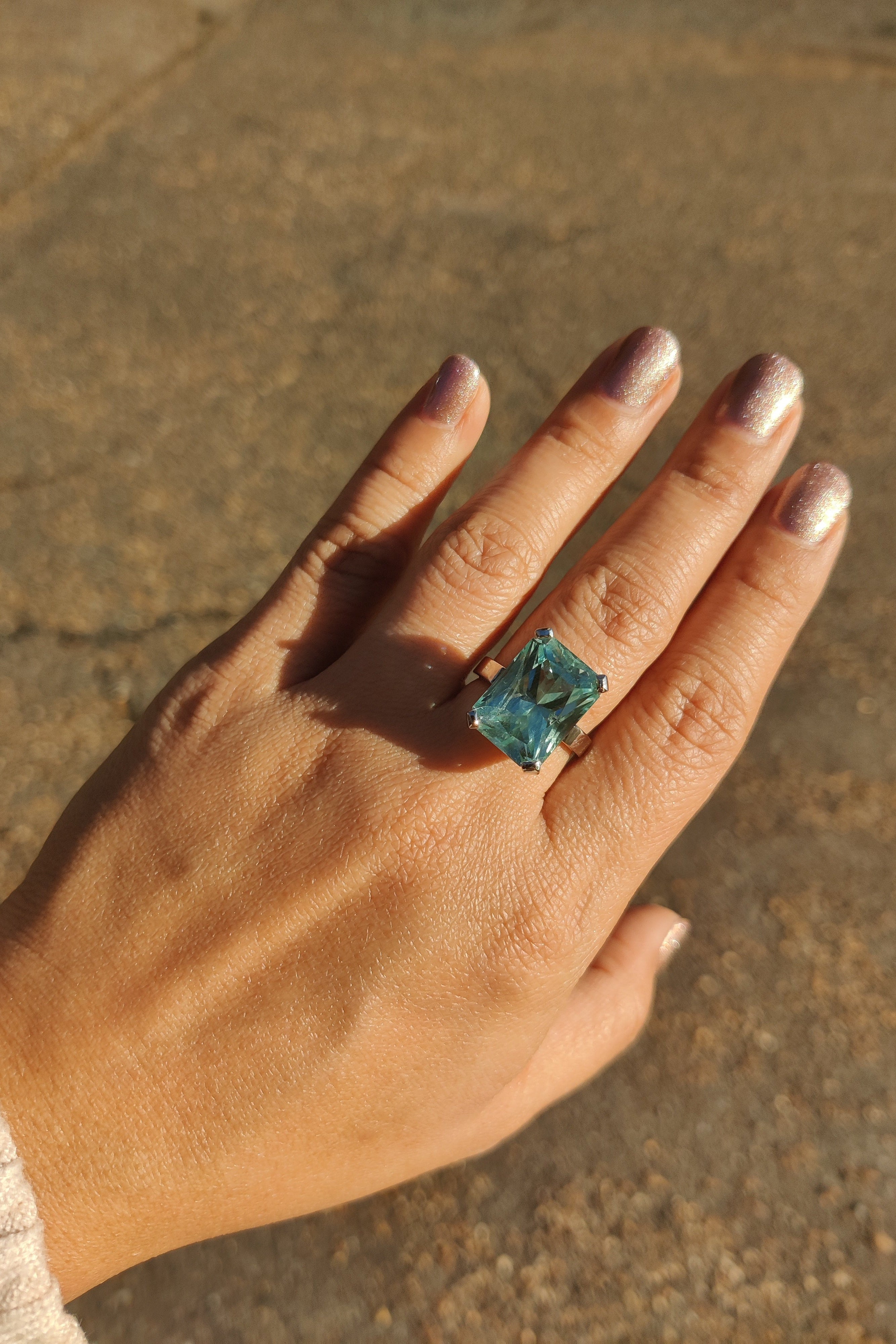
That feeling is more common than many people admit. An engagement ring or gifted ring can miss the mark for reasons that are hard to explain out loud. Sometimes the style looked better in someone else’s hand, or in a photo, than it does in daily life. Sometimes the stone feels too large, too small, too high, too ornate, or simply unlike anything you would have chosen for yourself.
Taste can shift as well. A design that once felt romantic may start to feel fussy. A traditional setting may feel at odds with someone who dresses simply and wants comfort first. Ring style mismatch is often less about ingratitude and more about the gap between a symbolic moment and the practical reality of wearing a piece every day.
Sentiment can make the whole thing harder to name. Many people who feel unhappy with an engagement ring also feel guilty for feeling that way. They worry that saying “this ring doesn’t suit me” will sound like rejecting the person who gave it, when the real issue is usually much more personal and much less dramatic.
Can a ring really be changed without losing its meaning?
Many people fear that altering a ring will erase the memory attached to it. Once that worry takes hold, even a small adjustment can feel disloyal to the moment the ring first arrived.
In practice, meaning tends to survive change far better than people expect. A jeweller can preserve the stone, reuse the gold, keep an engraving, echo the original shape, or carry one design detail into a new setting. Sentimental jewellery redesign often works best when it respects the reason the piece matters and updates the parts that never felt right to wear.
Family jewellery offers a useful way to think about this. An heirloom ring may be resized, reset, or adapted for modern wear, yet still remain clearly connected to the person and story behind it. The same principle applies to a ring given in love. The symbolism does not disappear because the form changes. In some cases, the ring feels more meaningful afterwards because the wearer can finally connect with it fully.
Once that becomes clear, the practical options start to feel less intimidating.
What options exist if I want to change the ring?
Most ring changes sit on a spectrum. One end is a light adjustment. The other is a full transformation.
Have a design in mind? Let’s bring it to life.
Start Your Bespoke Journey
A resize is the simplest example. If the fit is wrong, the ring can feel uncomfortable or insecure from the start. Fixing the size does not change the design, but it can change how relaxed you feel wearing it.
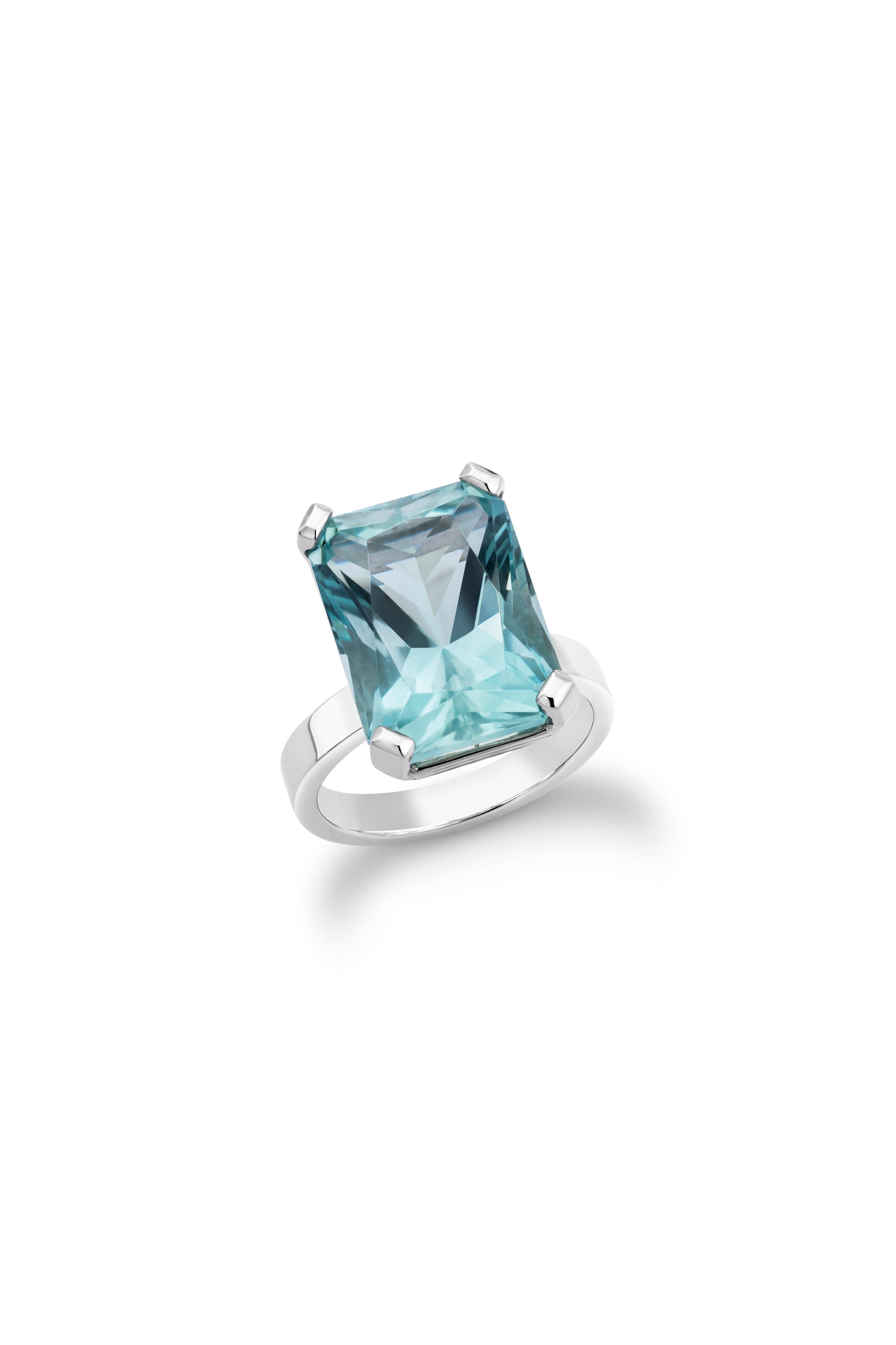
Resetting the stone goes further. If the diamond or gemstone feels buried, exposed, too high, or too traditional, a different setting can alter the whole character of the piece. A central stone can look cleaner, softer, more modern, or more practical depending on how it is mounted.
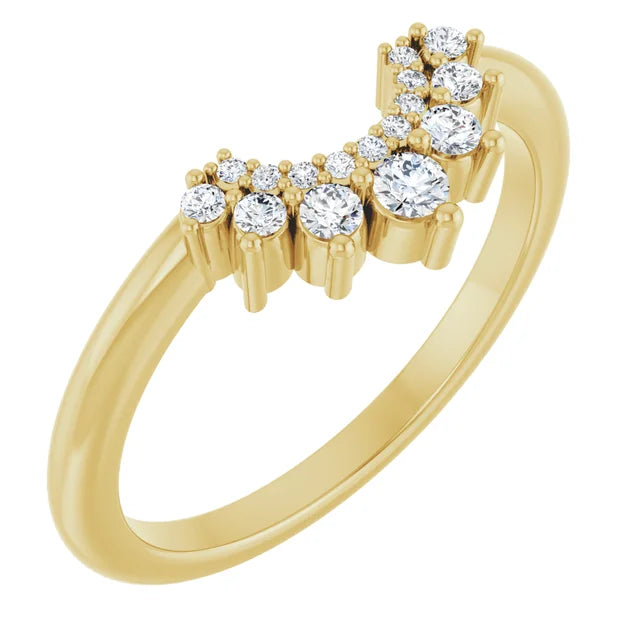
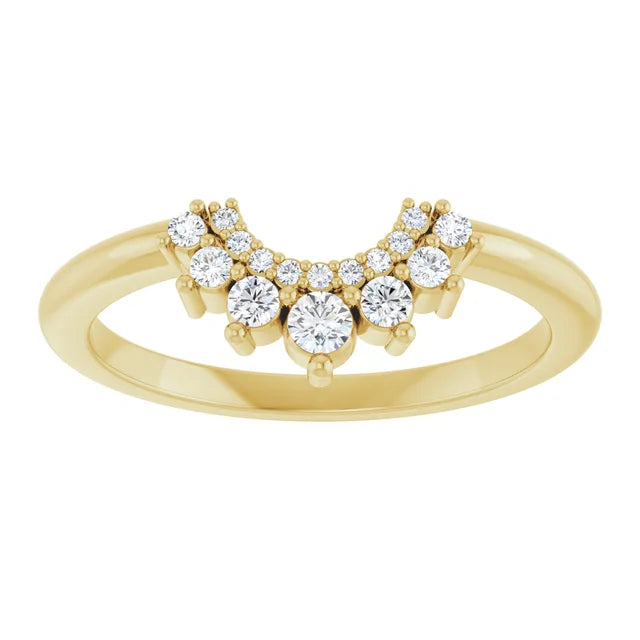
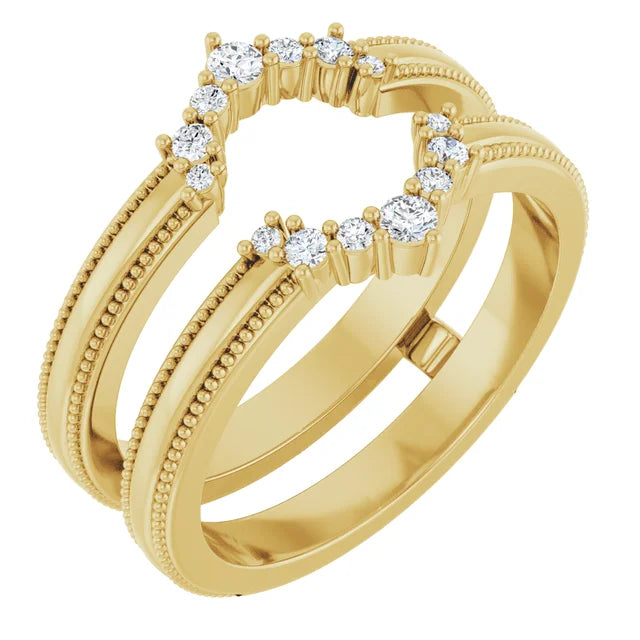
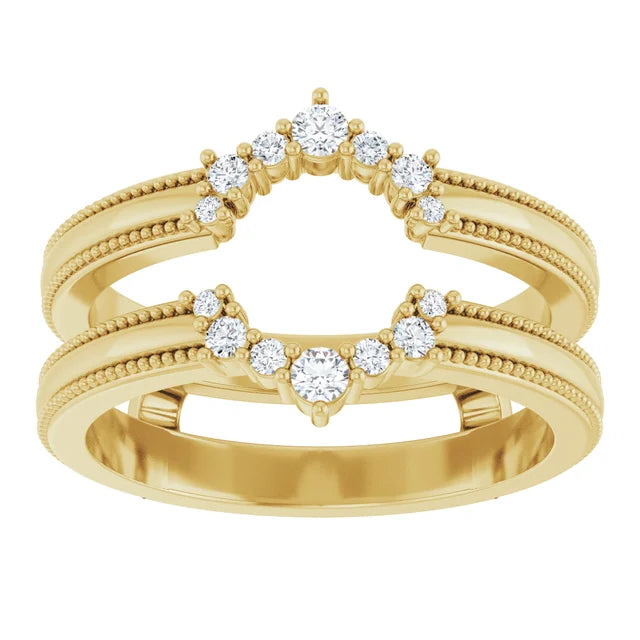
Band changes can also make a major difference. A slim band may be thickened for balance. A wide band can be refined. Metal can sometimes be changed, depending on the design and condition of the original ring. Yellow gold, white gold, rose gold, and platinum each give a ring a different presence on the hand.
Full remodelling engagement ring work is the broadest option. That might mean keeping the original stone and building an entirely new design around it, or reworking several inherited elements into one ring that feels coherent and wearable. CAD design can be helpful here because it lets the wearer see the direction before the piece is made.
An onsite workshop matters more than many people realise. When a jeweller handles the work directly, the conversation between idea and execution is much tighter. Details can be discussed with the person making the piece, which tends to make custom ring design feel more grounded in reality than in guesswork.
How does the process work if I decide to make a change?
The process usually starts with a conversation, not a commitment. A good design consultation is there to uncover what feels wrong, what still matters, and what the wearer actually wants to live with every day.
During that meeting, a jeweller will often look at the ring in person, talk through style preferences, ask what must stay and what could change, and explain what is structurally possible. Some people arrive knowing they dislike their ring but cannot quite say why. That is normal. Trying on examples, looking at proportions, and discussing lifestyle can bring the answer into focus.
From there, the design becomes clearer. Minor alterations may only need a straightforward plan. Larger ring transformation work may involve sketches or CAD visuals, especially if stones are being reset or the ring is being rebuilt. Approval matters at this stage because changes on paper are much easier than changes once metalwork has begun.
Where the work happens also affects peace of mind. At The Diamond Setter, work is done onsite in the workshop rather than being sent elsewhere, which means the same team can guide the ring from consultation through to completion. In a setting like the Pantiles showroom in Tunbridge Wells, that visibility tends to make the process feel more personal and less mysterious.
Timing depends on the scale of the change. A resize is very different from sourcing a new stone or remaking a setting from scratch. Thoughtful timelines usually reflect design approval, workshop scheduling, and, in some cases, stone sourcing. After the piece is finished, ongoing care matters too, because jewellery that is worn every day benefits from periodic checking, cleaning, and maintenance.
What should I consider before committing to a change?
Preparation matters because ring redesign considerations are emotional as much as practical. The clearest decisions usually come when someone has separated what they feel from what they think they are supposed to feel.

Start with the real issue. One person may love the stone but dislike the setting. Another may want the symbolism preserved but the look updated completely. Someone else may simply need the ring to be more comfortable. The more exact that starting point is, the easier it becomes to build a sensible design brief.
Budget deserves the same honesty. Bespoke jewellery is often assumed to be out of reach, although the cost depends on what is being reused, what is being altered, and whether new materials are needed. Reusing an existing diamond or gemstone can change the picture significantly. A jeweller should be able to explain where cost is coming from and which choices affect it most.
Emotional readiness has its own place in the decision. If the ring was tied to a proposal, a marriage, a relative, or a major life event, changing it can stir up more than style preference. Some people feel relief the moment they choose a redesign. Others need time before they are comfortable with the idea. That pause is part of the process, not a delay to be rushed past.
One useful way to test your thinking is to ask a jeweller three plain questions in conversation: what can stay, what must change, and what will the finished ring actually feel like to wear. Those answers tend to reveal whether the proposed change suits your life, not just your taste.
What’s the one thing that matters most in this decision?
The ring has to feel right on the person wearing it.
That matters more than tradition, outside opinion, or a mental picture of what a ring should look like. Jewellery earns its meaning through use, memory, and comfort over time. Once a ring fits your hand, your style, and your story, it stops being an idea to protect and becomes something far more lasting: a piece you genuinely want to keep wearing.
Curious what is possible? Just ask.
Get in Touch
Leave a comment