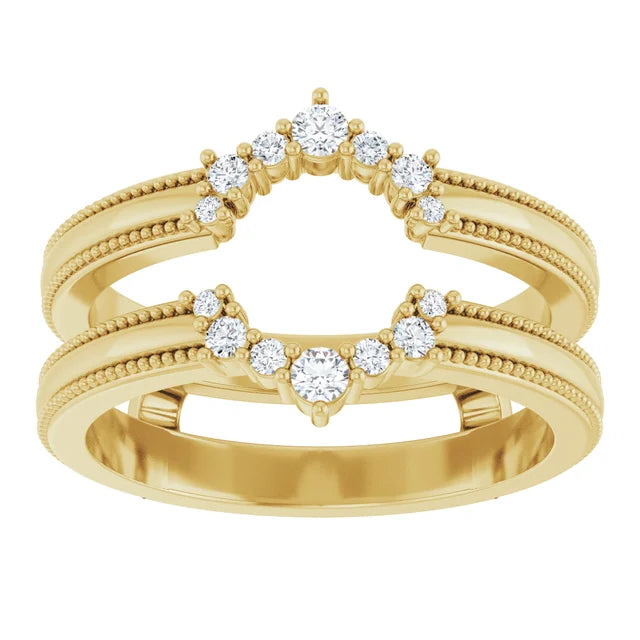
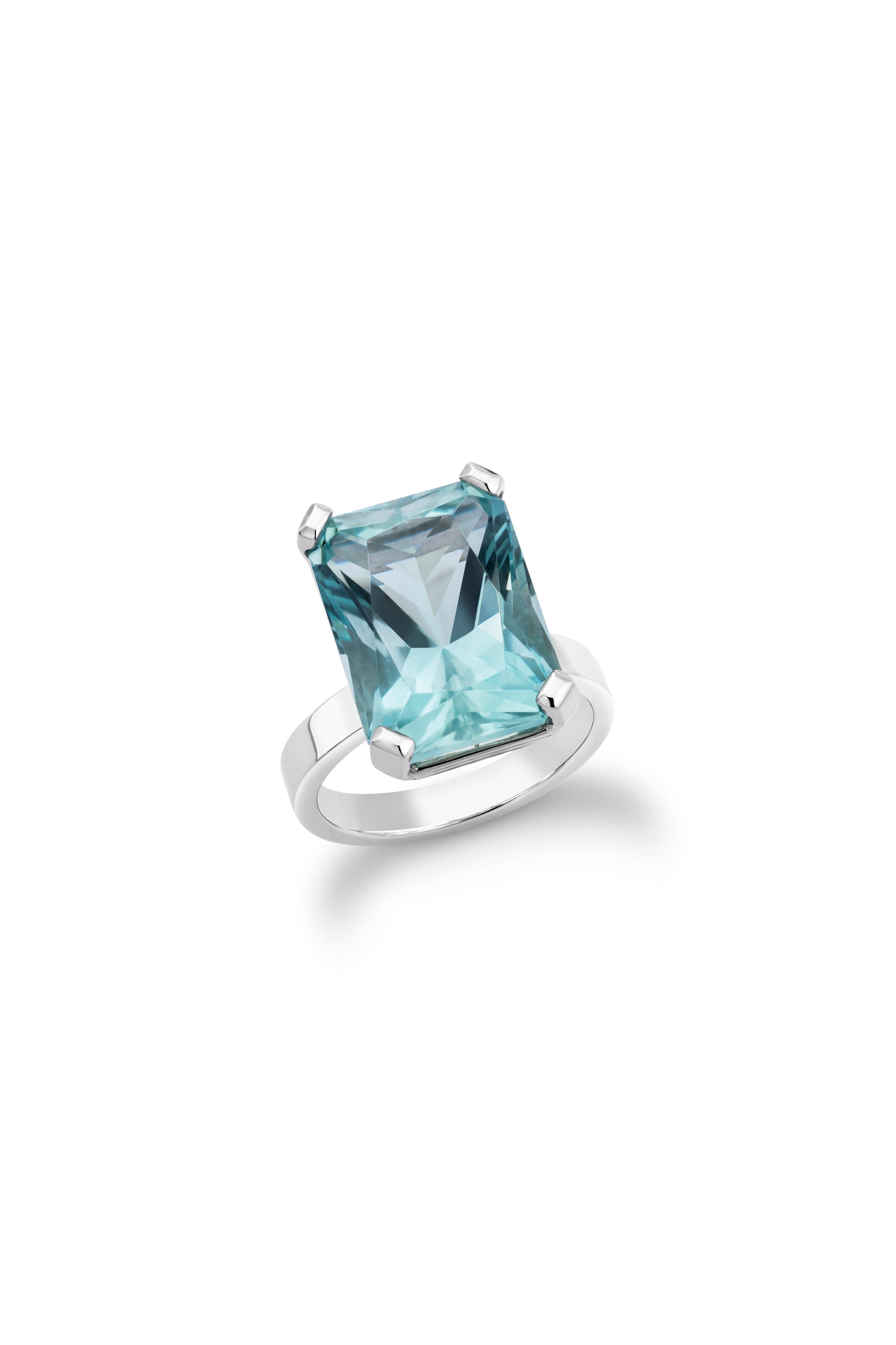
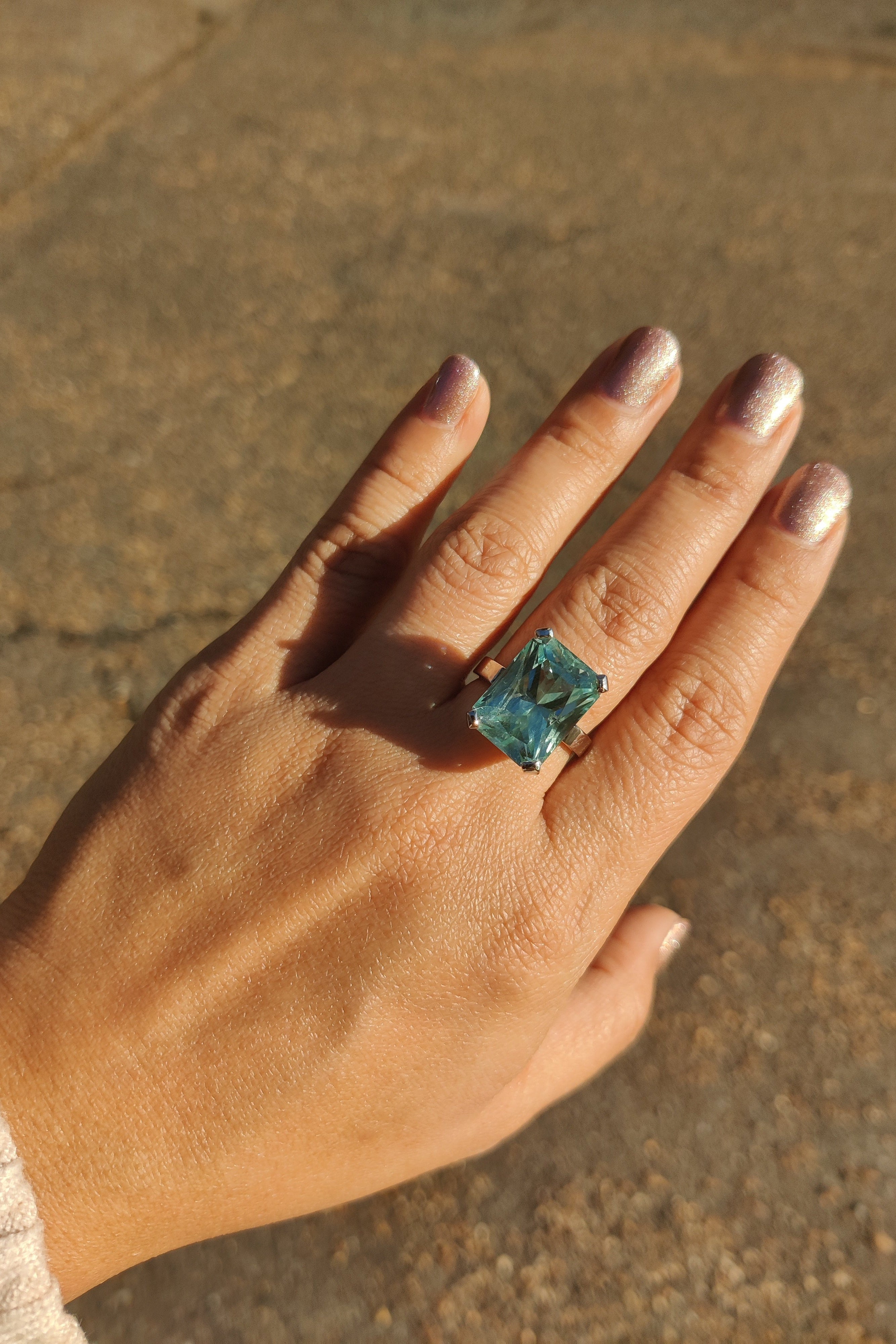
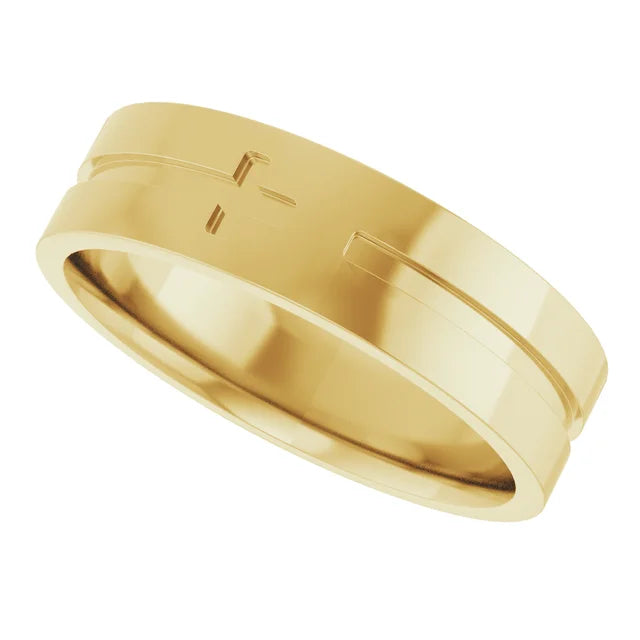


What is CAD jewellery design, and why does it make bespoke ring design clearer?
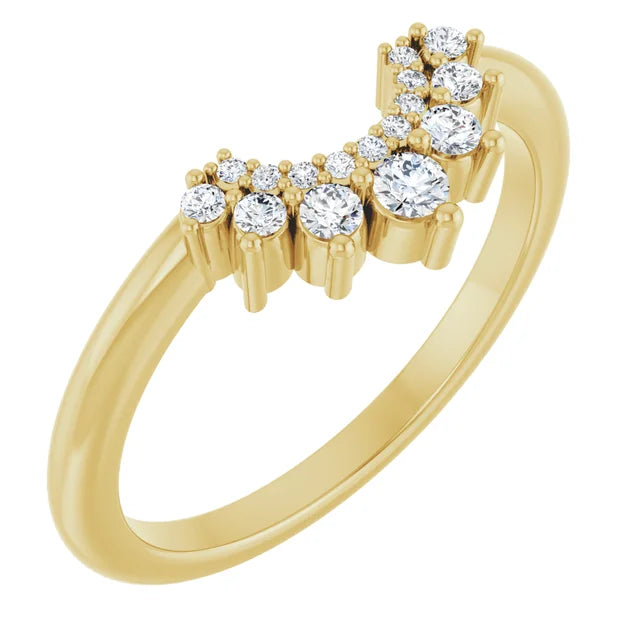
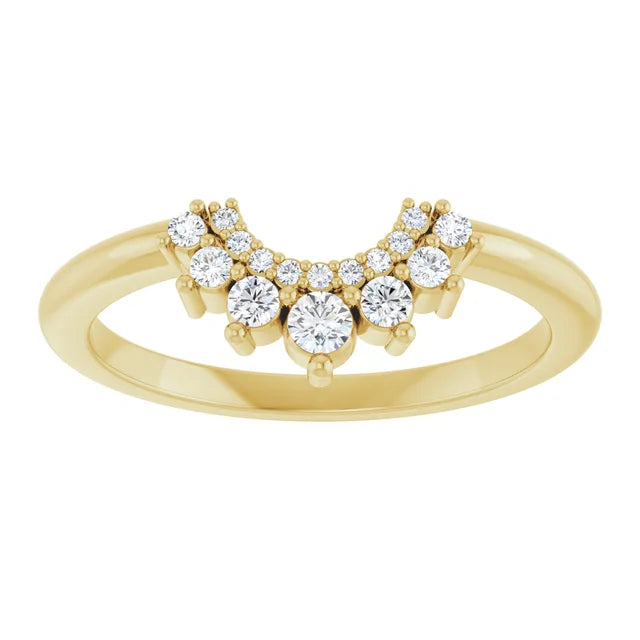
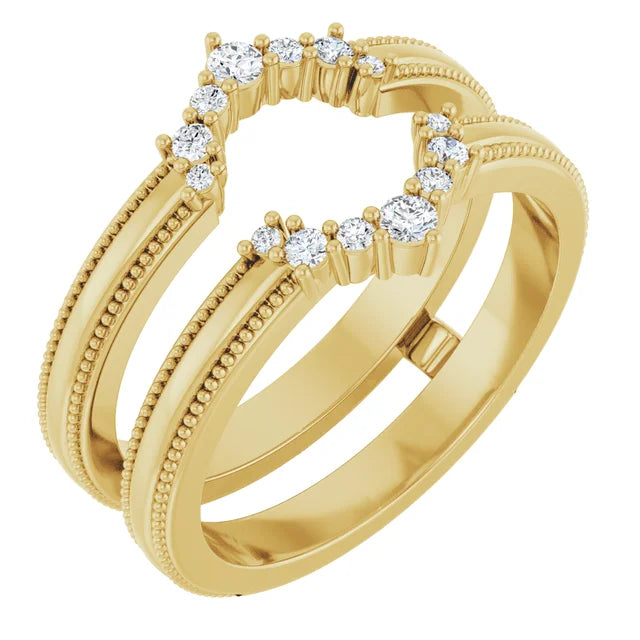
CAD jewellery design uses computer-aided design software to build a precise 3D model of a ring before it is made. That gives you a much clearer view of shape, proportions, setting details, and overall style, which means that you can adjust the design early and approve it with more confidence.

The Limitation of Traditional Ring Design
Many people assume bespoke ring design has always been clear and straightforward. In practice, traditional jewellery design often depended on hand-drawn ring sketches, spoken descriptions, and a fair amount of interpretation.
A sketch can show an idea, but it cannot always show scale in a way that feels real on the hand. One person might picture a delicate setting, while another imagines something bolder. Even with a skilled jeweller, that gap between what is said and what is visualised can create uncertainty.
Think of it like describing a room from memory to someone else and expecting them to furnish it exactly as you imagined. Some details carry across perfectly. Others shift slightly, including thickness, height, spacing, and how different elements sit together.
That is where many custom ring challenges used to begin. Clients were often left hoping the finished piece would match what they had in mind, and that made bespoke design feel more intimidating than it needed to be.
CAD Technology in the Workshop
CAD jewellery design is the use of digital software to create an accurate 3D ring model before making begins. In plain terms, it turns an idea into something you can see, assess, and refine with far more precision than a drawing alone.
Inside a jewellery workshop, that matters because the digital model is not separate from the making process. A jeweller can check proportions, stone placement, band width, setting height, and practical wearability before metal is cast or a diamond is set. In a team with hands-on making experience, including Hatton Garden training, CAD becomes part of the bench process rather than a detached technical step.
The difference is even greater when CAD happens in-house. If design work is outsourced, there is another handoff where details can blur. In an onsite workshop, the people discussing the ring are closely connected to the people making it, so technical accuracy stays tied to real craftsmanship.
Seeing Your Design Before It Exists
Imagine sitting down with a jeweller and looking at a realistic 3D ring preview instead of trying to decode a flat sketch. The moment often changes how people feel about bespoke design.
"I could finally tell what it would actually look like."
That emotional shift matters. A digital model gives you visual feedback early, whether you are meeting in person or reviewing designs through a video call appointment. You are no longer guessing how the shoulders meet the setting or whether the centre stone feels balanced against the band.
At this stage, clients can usually review and adjust details such as:
- Band width and profile
- Setting height
- Stone size or shape
- Claw style
- Overall proportions
Small decisions become easier when you can see them. A ring that looked perfect in theory may feel too tall once viewed properly, or a subtle band may suddenly look exactly right when shown next to the chosen stone. That kind of design approval process creates a more collaborative experience, which leads naturally into one of CAD's quieter strengths: freedom to test options without committing too early.
Material and Budget Flexibility
CAD also makes the budget conversation much easier to handle. Instead of choosing blindly, you can compare ring options in a more informed way and see how design choices affect the final piece.
A change in metal, stone size, or setting style can alter both appearance and cost. Seeing those variations before production helps people make decisions that suit their taste and their spending comfort, without feeling that a lower figure means they have to settle for something generic. Gold and platinum can create very different looks. Diamond and gemstone choices can shift the mood of a design just as much as they shift the price.
A practical comparison might include:
- Switching from platinum to gold to assess the visual difference
- Adjusting the band thickness to change the feel on the hand
- Refining the setting to suit a chosen diamond or coloured stone
- Comparing stone options with guidance grounded in gemmology, including GIA-trained input where relevant
That is one reason bespoke ring budget planning can be more flexible than people expect. CAD allows changes on screen before materials are committed, which reduces waste and makes the design process more transparent. Once those choices are settled, the next question becomes who is carrying them through into the finished ring.

The Role of the Onsite Workshop
An onsite workshop changes the experience in ways that are easy to miss at first. The same team that develops the design can follow it into production, check the details in person, and keep the ring consistent from first drawing to final polish.
For many clients, that is reassuring because jewellery is often assumed to be sent elsewhere. In reality, some jewellers design in one place and make in another. When that happens, every transfer depends on notes, files, and interpretation. In an onsite jewellery workshop, design continuity is stronger because the conversation stays under one roof.
At The Pantiles in Tunbridge Wells, The Diamond Setter makes and repairs jewellery onsite in its own workshop, and that practical setup matters just as much as the design software. If a client wants a setting lowered slightly or a profile softened after viewing the CAD model, the adjustment can be discussed with people who understand both the screen version and the bench work needed to make it wear well.
Picture a ring with a centre stone that looks perfect in the render but needs a slight refinement in shoulder shape to sit more comfortably with a wedding band. In an in-house ring making environment, that detail can be reviewed directly by the workshop team before the piece moves forward, and the finished result usually feels more coherent because of it.
What Experienced Clients Wish They'd Known
People who have already been through the bespoke jewellery process often talk about the same realisation afterwards. They had assumed custom work would feel vague, expensive, or difficult to control, and they were surprised by how much clarity the CAD process gave them.
The insights tend to sound like this:
- "I did not realise I could see the ring so clearly before it was made."
- "I thought bespoke meant choosing from fixed ideas, but I had real input."
- "I expected the budget side to feel awkward, but comparing options made it much easier."
- "I had no idea how much difference an onsite workshop would make."
What experienced people in this space wish they had known earlier is that the quiet advantage is not just the software. The real benefit is being able to make decisions with confidence before the ring exists.

Leave a comment