


7 min read
Is pavé practical for your everyday ring?
Yes, a pavé setting can suit everyday wear if the stones are well set, placed away from high-friction areas and checked as part of normal care. We would not call it the lowest-maintenance choice, because a plain band or bezel-style ring is more forgiving of knocks and daily tasks.

In This Article
Pavé can be practical when the design respects daily wear
Someone can choose pavé because they love the fine detail, wear the ring every day, and only later realise that small design choices affect how the ring ages. The useful answer is direct: pavé is suitable for many engagement rings, wedding bands and eternity rings, but it needs a little more thought than a plain band.
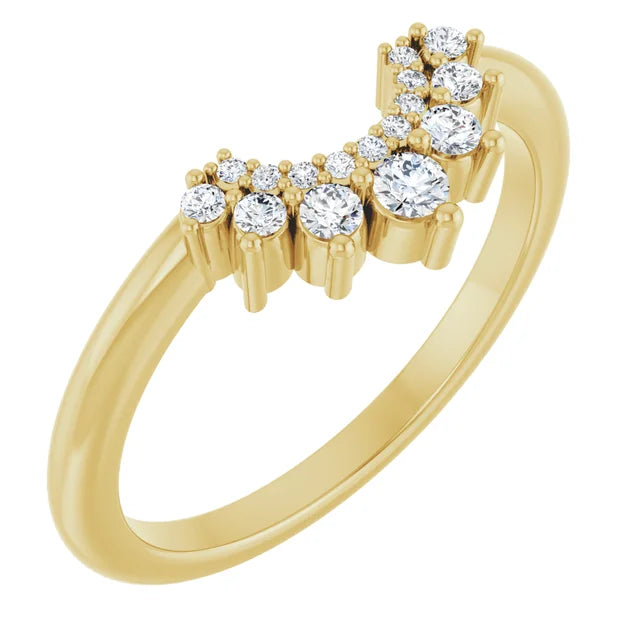
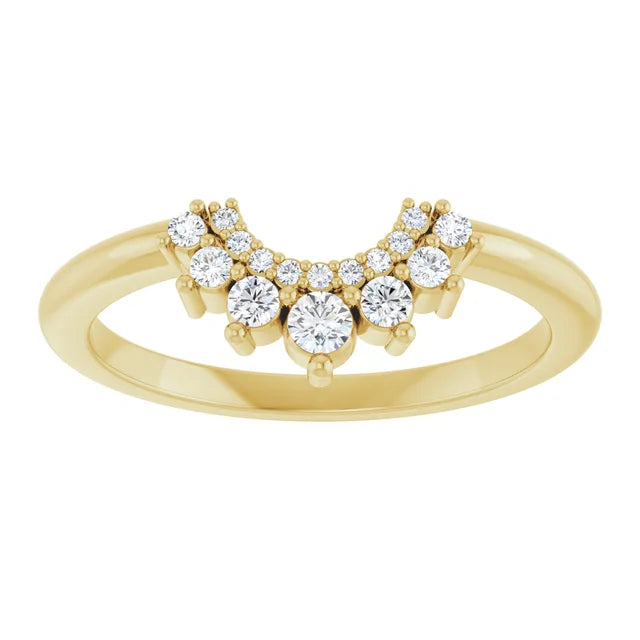
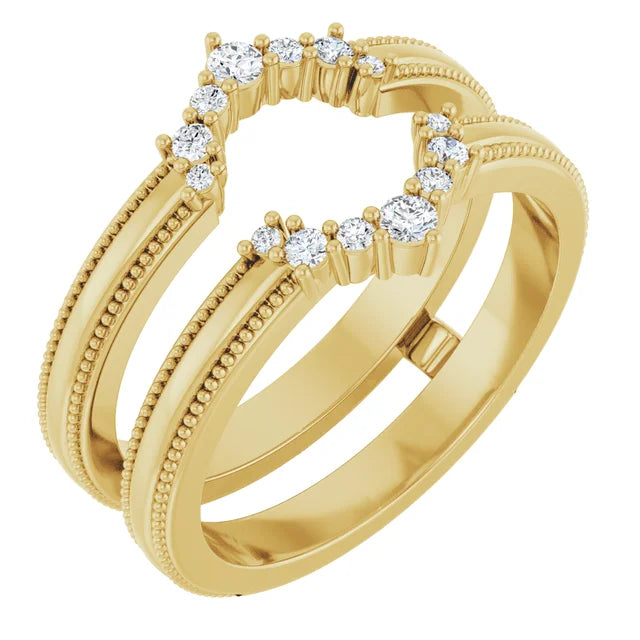
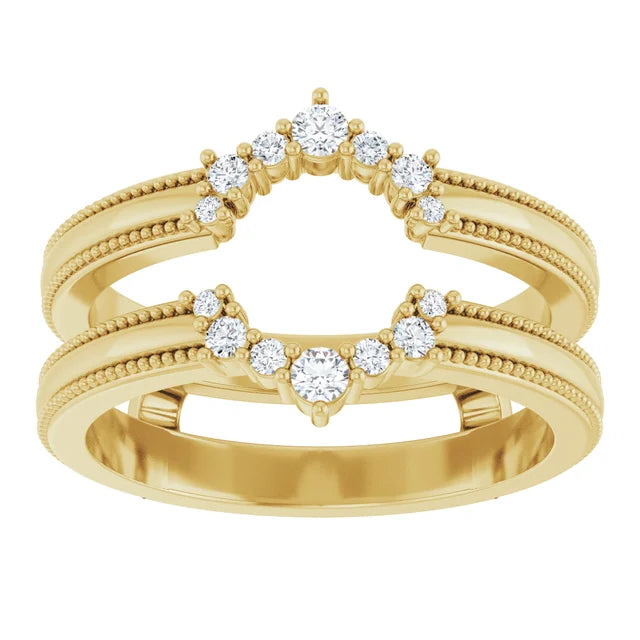
A pavé setting uses small diamonds set closely together into the metal, so the band appears to have a continuous line of sparkle. GIA 4Cs describes pavé diamonds as 0.20 ct or smaller, set into tapered holes in the metal surface. Those small stones are often called melee diamonds, which simply means small diamonds used around a main stone or across a band.
Delicate-looking does not automatically mean fragile. Well set pavé can be secure because the stones sit into the metal, but the setting name alone tells you very little. We look at where the pavé sits, how much metal supports it, and how the ring will be worn.
A pavé engagement ring for daily wear is a perfectly reasonable choice for many people. The difference is that you choose it with your routine in mind, so the design works with daily life instead of fighting it.
Pavé durability depends on placement and profile
Not all pavé rings take wear in the same way. A line of pavé on the shoulders of an engagement ring faces a different life from pavé running all the way round a wedding band, especially where the ring rests against desks, bags, door handles and gym equipment.
Pro Tip
If you wear a pavé ring daily, choose a design with enough metal around the stones and ask how the underside of the band will wear over time. That detail often matters more than the sparkle alone.
At The Diamond Setter, we make and repair jewellery in our onsite workshop at The Pantiles in Tunbridge Wells, so our advice comes from seeing both new settings and worn rings on the bench. That changes the conversation. We are less interested in whether a design is simply called pavé, and more interested in whether the stones sit in a sensible place.
Placement changes how pavé wears
The shank is the band of the ring. The bottom of the shank takes more friction than most people expect, because it is the part that rubs against whatever you hold or rest your hand on. GIA advises avoiding pavé on that bottom section because the stones are more exposed to loss or damage there.
Half pavé can be a useful compromise. You still see the fine diamond detail across the visible part of the ring, but the underside can remain smoother and easier to maintain. Full pavé has a very continuous look, but it gives the ring more small settings that need checking over time.
Small stones can also be harder to replace cleanly than a larger, simpler-set stone. A bench jeweller needs to match the stone, assess the surrounding metal and make the new setting secure without disturbing nearby stones. That is repair work, not a quick swap.
Ring height changes snag risk
A higher setting can make a centre diamond look more prominent, but a lower-profile ring is less likely to catch on clothing or other items. That matters if you use your hands a lot, wear gloves, or know that you are unlikely to take your ring off for every practical task.
Ring height also affects how exposed the pavé feels in day-to-day use. Raised shoulders, fine claw detail and very slim bands can all look beautiful, but they need enough metal in the right places. Good pavé design balances fine detail with enough structure to hold up under normal wear.
Everyday wear means different routines
Daily wear can mean office work and dinners out, or it can mean childcare, gardening, travel, washing up, exercise and hands-on work. A pavé ring can cope with normal life, but diamond rings are not indestructible, and prongs can shift or loosen over time.
Need expert jewellery care or repairs?
Get in Touch
GIA identifies exercise, gardening, catching on clothing and accidental knocks as things that can take a toll on an engagement ring. For those moments, taking the ring off is normal care. That is not being precious about the ring; it is treating small settings with common sense.
Someone who works mostly at a desk and removes rings for heavy tasks may find pavé easy to live with. Someone who wants the least possible upkeep may prefer a plain band, a bezel-style design, or pavé placed only where it is less exposed.
Personal habits matter here. A ring that comes off before the gym and gardening has a very different risk profile from one worn through every hands-on task.
Pavé care is routine when you know what to watch
Pavé is manageable when checking the ring becomes part of ownership. The point is not to worry about every small stone, but to catch movement or wear before a repair becomes harder.
Pro Tip
If resizing may be needed later, mention it before the ring is made. Pavé near the sizing area can make future adjustment more involved, so it is worth planning for that early.
GIA recommends prong checks every six months for an engagement ring, or using a wedding anniversary as a practical reminder if six-monthly checks feel too frequent. For pavé, we like that kind of rhythm because small movement is easier to deal with early.
Useful signs to notice include:
- A small stone moves when you gently touch it. That stone is loose and needs a jeweller to assess it.
- Gaps between a diamond and the surrounding metal deserve attention, especially if the ring has had a knock.
- Snagging on fabric can point to a lifted prong or worn metal, even if the stone still looks secure.
- You are safer taking the ring off before exercise, gardening or manual jobs, because repeated knocks do more harm than most people expect.
- Cleaning at home can keep the ring looking bright, but a jeweller can inspect the settings properly under magnification, including with a 10× loupe.
Resizing also needs a proper conversation when pavé runs around the band. A plain section gives the jeweller more room to work, while pavé near the resizing area can make the job more involved.
At The Diamond Setter, we handle resizing, stone replacement and re-tipping in-house, which means the repair side is part of the design discussion from the start. That matters with pavé because the ring’s future care should be considered before the first setting is made.
A clearer pavé decision
The decision becomes easier once you stop asking whether pavé is good or bad and start asking whether a particular pavé design suits your hand, routine and care expectations. That is the better test for an everyday pavé ring.

Before choosing, we would want you to know where the pavé sits, whether the underside of the band is protected from heavy friction, how resizing would be handled, and what checking the stones will look like over the years. Those questions do not make pavé risky. They make the choice more informed.
A half-pavé engagement ring, a pavé wedding band with a plain section, or a lower-profile design can give you the look you want with fewer exposed wear points. For someone who wants the lowest-maintenance ring possible, a plainer design may still be the better answer.
Once you know what to check, pavé stops feeling like a vague risk and becomes a design choice you can judge clearly.
Questions we get asked about pavé rings
Can a pavé ring be resized?
A pavé ring can often be resized, but the answer depends on where the small stones sit. Pavé running close to the resizing area makes the work more involved than resizing a plain band.
Do pavé diamonds fall out easily?
Pavé diamonds should not fall out easily when the ring is well made and sensibly worn. Stone loss becomes more likely when the setting is knocked, worn down, placed in a high-friction area or left unchecked.
Is pavé suitable for a wedding band?
Pavé can work well on a wedding band, especially when the design leaves the most exposed part of the shank smoother. A full pavé band needs more checking than a plain band because small stones sit all the way round.
What should you do if a small pavé stone feels loose?
You should stop wearing the ring for daily tasks and have a bench jeweller inspect it. A loose stone is easier to deal with before it falls out.
Does pavé need professional cleaning?
Professional cleaning is useful, but the inspection matters more than the polish. A jeweller can check for movement, gaps and worn prongs while the ring is being cleaned.
We handle everything onsite, nothing sent away.
Book a Repair Consultation
Leave a comment