


What is a bezel set engagement ring and is it better for everyday wear?
A bezel set engagement ring holds the centre stone inside a metal rim that wraps around its edge. That structure usually gives the ring a smoother profile and more protection than prong settings, which can make it a strong choice for everyday wear, although the right option still depends on the look you prefer and how you live with your jewellery.
What defines a bezel set engagement ring and how does it differ from other settings?
A bezel setting surrounds the stone with metal instead of gripping it with separate claws. In simple terms, a prong setting lifts the stone up and leaves more of its sides open, while a bezel mount frames the stone and keeps its outer edge covered.
Picture the difference like this. A prong-set diamond sits a little like a stone held in fingertips. A bezel-set diamond sits more like a picture in a frame. Both can be beautiful, but they create a very different ring profile and a very different wearing experience.
Many first-time buyers assume a bezel always hides too much of the stone. That is not necessarily true. Some bezels fully encircle the gem with a clean metal rim, while others are shaped more lightly so the stone still feels open and bright. The effect depends on the design, the height of the setting, and the shape of the centre stone.
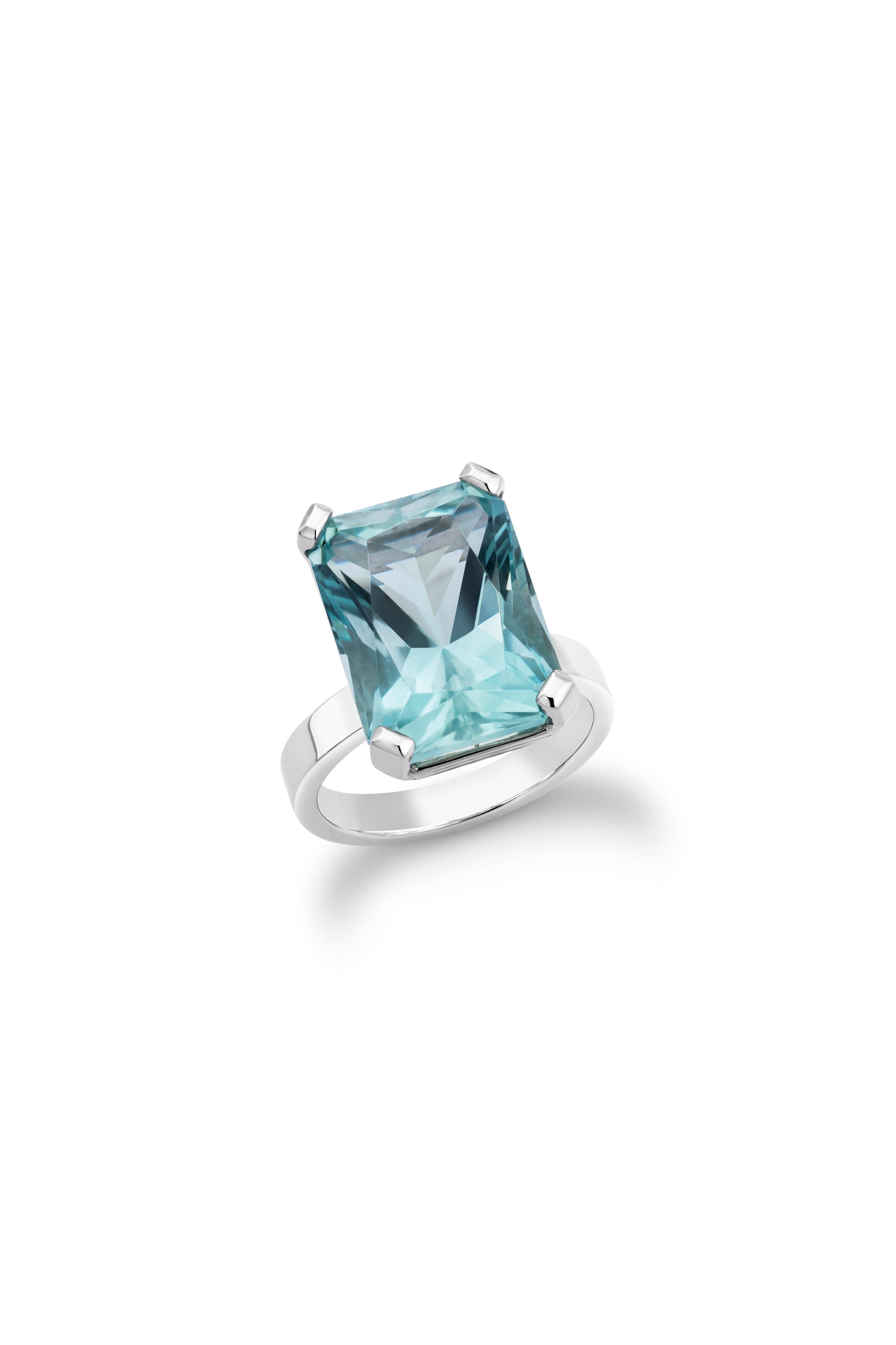
Round stones are common in bezel set engagement rings because the circular outline feels natural with a full rim. Oval, emerald, pear and cushion cuts can also work very well, especially when the setting is drawn carefully in a jewellery workshop. A good design does not treat every shape the same, because each one reacts differently to metal around the edge.
At The Diamond Setter, the fact that work is carried out onsite matters here. A hands-on workshop can adjust proportions at the bench, which means that the bezel does not have to look heavy or bulky simply because the setting style is practical.
How does a bezel setting impact the durability and security of an engagement ring?
Someone who uses their hands all day often worries about one thing first: will the ring catch, knock, or loosen over time? That is where a bezel setting earns its reputation.
Because the metal rim supports the outer edge of the stone, a bezel offers strong protection against everyday bumps. The girdle, which is the stone's outer edge, is one of the more exposed areas in many ring designs. A bezel shields that edge, so accidental contact with desks, door handles, shopping bags or kitchen worktops is often less of a concern.
Another practical benefit is snag resistance. Claws can catch on knitwear, towels and hair if they sit high or wear down with age. By contrast, a bezel usually has a smoother outline. That can make daily wear feel easier for people who type a lot, work in healthcare, look after children, or simply do not want to think about their ring every few minutes.
Softer gemstones or stones with pointed corners can also benefit from this kind of setting. Pears, marquise cuts and emerald cuts have areas that may need thoughtful protection. A bezel can help guard those more vulnerable points, although the design still needs care and balance.
Nothing in jewellery is indestructible, and a bezel does not remove the need for maintenance. Rings still need cleaning, checking and occasional repair. Resizing can sometimes be more involved if the design has a very continuous look around the band, and any work on a stone setting should be handled by a proper repair workshop rather than treated as a quick alteration. In Tunbridge Wells and elsewhere, that difference matters more than many buyers realise.
What effect does a bezel setting have on the appearance and brilliance of the stone?
The question most people ask is simple: will my diamond still sparkle? The honest answer is yes, but the look is different.
A bezel setting changes how the eye reads the stone. Because metal frames the edge, the outline often looks more deliberate and modern. Some people love that cleaner shape straight away. Others prefer the airy feel of claws, where more of the side view remains open.
Older assumptions about bezels often come from heavier designs. Modern bezel design can be much more refined. A thin rim, careful seat for the stone, and thoughtful profile can keep the ring bright and elegant without making the diamond feel boxed in.
Light performance is also more nuanced than the usual bezel vs prong debate suggests. Prongs expose more of the stone's side, which can support a more open appearance. A bezel covers more of that edge, so the visual effect can be slightly calmer and less glittery from certain angles. Yet a well-cut stone still reflects light through the top, where much of the visible sparkle comes from.
Metal colour plays a part as well. White metal around a colourless diamond can create a crisp, smooth look. Yellow gold can make the frame feel warmer and more vintage in mood. Rose gold often softens the whole design. With CAD design and careful prototyping, jewellers can adjust thickness and contour so the bezel complements the stone instead of competing with it.
Some stones may look a touch smaller once framed, because the eye sees the metal border as part of the ring's footprint. Even so, the opposite can happen visually with certain shapes, especially when the bezel sharpens the outline and makes the centre stone easier to read from a distance.
What are the practical pros and cons of bezel set rings for everyday wear?
A person who gardens at the weekend, answers emails all day, and cooks most evenings usually notices practicality before anything else. In that kind of life, a bezel set ring often feels easy to live with.
The smooth edge is one reason. Sleeves slide over it more easily. Gloves tend to catch less. Hands move through ordinary tasks with fewer little interruptions. Comfort can be especially noticeable if the ring has a lower profile and sits close to the finger.
Cleaning habits, though, still matter. Dirt, lotion and soap residue can build up around any setting, including a bezel. Some designs are straightforward to clean with warm water, mild soap and a soft brush, but a very enclosed mount may need more attention underneath to keep the stone looking bright. A ring that is worn every day will always look better if it is cleaned regularly rather than left for months.
Certain wearers appreciate bezels because the setting feels less exposed. Others miss the more traditional look of claws and the extra visibility from the side. Neither reaction is wrong. A ring can be practical and still feel wrong for someone who has always imagined a higher, more open setting.
Resizing and later adjustments depend on the whole ring, not the centre setting alone. A simple bezel solitaire may be fairly straightforward to work on. A full design with matching bands, shoulders set with stones, or a very precise low profile may ask more from the bench. That is one reason workshop-made jewellery often ages better in use, because the person repairing it understands how the ring was built in the first place.
On The Pantiles, where people often try rings on between errands and real life, that lived-in side of design matters. The ring should suit the hand that wears it, not just the box it came in.

How does choosing a bezel setting affect customisation and design flexibility?
Many people want a ring that feels personal, and they sometimes assume a bezel setting is too fixed or too plain for that. In practice, a bezel can be highly adaptable.
Shape is the first area where individuality comes through. A round diamond in a fine bezel feels very different from an east-west oval, a bezel-set emerald cut, or a pear framed with extra protection at the point. Profile matters too. Some people want the ring to sit low and close to the hand. Others prefer more height so a wedding band can fit neatly alongside.
Modern custom jewellery design opens up a lot of room here. CAD jewellery plans can show how thick the rim should be, how much of the stone remains visible, and how the shoulders meet the centre. Small changes in those details can shift the whole personality of the ring from sleek and minimal to soft and vintage-inspired.
A bezel can also work beautifully in remodelling. Someone with an heirloom diamond may want a setting that feels more current and more secure for daily wear. In a bespoke workshop, that older stone can often be reset into a new bezel ring that keeps the emotional history while changing the style completely.
Perceived limits do exist. Some stones are better suited to certain bezel shapes than others, and some people will always prefer the openness of prongs. Yet the idea that bezel set engagement rings all look the same is simply not borne out once you see how many variations are possible at the design stage.
What should you know about cost, maintenance, and long-term value with bezel set rings?
Cost worries are normal, especially with engagement ring settings that look more specialised. A bezel setting can cost more or less than a prong setting depending on the amount of metal, the labour involved, and how custom the ring is overall.
More bench time can push the price up, because the setting has to fit the stone accurately around its edge. A bespoke bezel ring may also involve design development if the stone has an unusual shape or if the profile needs to sit very low. On the other hand, the final price is never about the setting in isolation. Metal choice, stone type, band design and finish all affect the result, so budget flexibility is usually wider than people expect.
Maintenance is fairly straightforward, although it should not be ignored. Daily wear means regular cleaning at home and occasional professional checks. If the ring is made and repaired in the same workshop, ongoing care can feel simpler because the original construction methods are already understood. That point often gets missed by buyers who assume all jewellers send work elsewhere.
Where service is concerned, reassurance comes from good making and sensible aftercare, not from grand promises. The Diamond Setter, for example, makes and repairs jewellery onsite in its own workshop and offers lifetime service on finished pieces. A setup like that can be genuinely helpful over the years, especially if the ring needs resizing, polishing or setting checks after long wear.
Value, in the ownership sense, often comes from how well the ring suits the wearer and how well it holds up to real life. People are usually happiest when the design matches their habits from the start, including how active they are, how often they wear gloves, and whether they want a ring that asks for very little day-to-day thought.
What do experienced jewellers wish more people understood about bezel set engagement rings?
People at the bench often see the same surprise again and again. Someone chooses a bezel for safety, then later realises that comfort was the bigger gift.
Experienced jewellers know that daily satisfaction rarely comes from one dramatic feature. It often comes from smaller things that reveal themselves slowly: a ring that does not catch on clothing, a stone that feels protected during ordinary routines, a profile that sits naturally on the hand month after month. Those details sound quiet at first, but they shape the relationship between person and ring more than many buyers expect.
Hatton Garden trained makers and long-time workshop jewellers also tend to notice that first-time buyers focus heavily on the top view. Wearers who have lived with a ring for years usually talk about something else. They mention ease, balance, and the sense that the ring belongs to their life instead of interrupting it.
That is the quiet advantage experienced people in this space wish they had known earlier: the best everyday ring often proves itself in moments so ordinary that nobody notices them at all.

Leave a comment