

7 min read
Can your old jewellery actually be remodelled?
Usually, yes, but the safe answer is yes for many pieces and no for some parts, with maybe for old metal or fragile stones. We first separate sentiment from structure, then decide whether to reuse, reset, repair, preserve or remodel old jewellery without forcing unsafe work.

In This Article
- The safest remodels begin with separating feeling from structure
- A mixed box of family jewellery gives several possible routes
- Stones are often the easiest part to keep
- Old gold is not always the best metal for the new structure
- The right question is what deserves to carry forward
- Questions we get asked about remodelling old jewellery
The safest remodels begin with separating feeling from structure
The most meaningful part of old jewellery is not always the part that can safely be reused. A diamond from a grandmother’s ring may be sound, while the claws holding it may be worn thin. A brooch may have a beautiful motif, while its pin and hinge have little use in a new pendant.
Remodelling means changing the jewellery into a new form. Resetting means taking stones out and putting them into a new setting. Repair means keeping the original design and making it wearable again. Remaking means using the idea, stones or selected details from the old piece in a newly made item.
We start with the professional jewellery checks because jewellery is emotional and physical at the same time. Metal can be brittle, stones can be chipped, and settings can be too worn to carry into daily wear. That does not make the piece a lost cause. It simply means the best plan may keep one part and replace another.
A careful plan gives every part of the piece a clear role, or leaves it alone.
A mixed box of family jewellery gives several possible routes
A small box of old jewellery rarely contains one perfect heirloom. More often, you have a plain ring, a broken chain, an odd earring, a brooch you never wear, and a ring with stones you like but a setting you do not.
Pro Tip
Separate sentimental value from structural value before deciding what to keep. A stone may be worth carrying forward even when the setting has reached the end of its useful life.
At The Diamond Setter, we assess those pieces in our onsite workshop at The Pantiles in Tunbridge Wells, so design advice is tied to what can actually be repaired, reset or made. The table below is a guide to what often works well and what needs a closer look.
That guide is not a diagnosis from across the counter. We still need to see how the item is made, how the stones sit, and how much wear the metal has taken before we say which route is safest.
Stones are often the easiest part to keep
Stones are often the most reusable part of inherited jewellery, but they do not all cope with the same work. Durability means how well a stone deals with wear, setting pressure, cleaning and repair work around it.
Want to learn more about choosing the right stone?
Speak to Our Experts
Diamonds, rubies and sapphires cope with more design choices
Diamonds usually reset well, provided we check them for chips, wear and secure setting options. A stone can look fine at a glance and still have a small chip near the edge that affects how we hold it in a new ring.
Ruby and sapphire belong to the corundum gem family. The Gemological Institute of America, known as GIA, treats diamond and corundum as stones with strong resistance to many setting, cleaning and repair procedures, and this gives us more design freedom. Condition still matters, so we do not assume any old stone is ready to be moved without inspection.
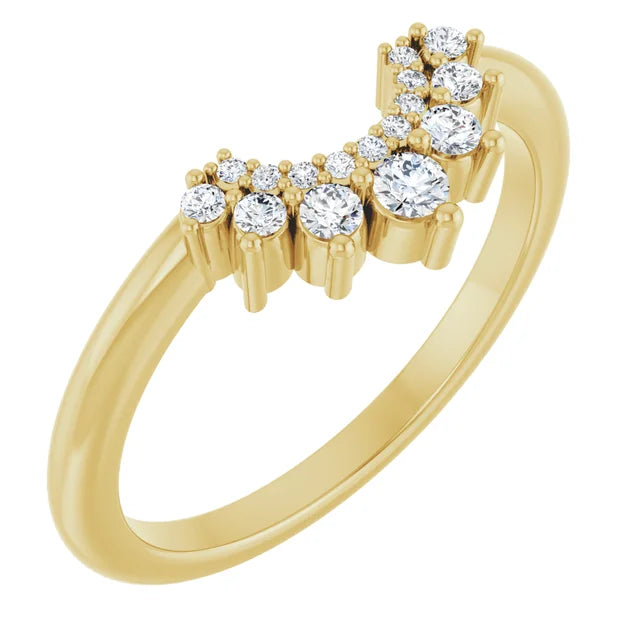
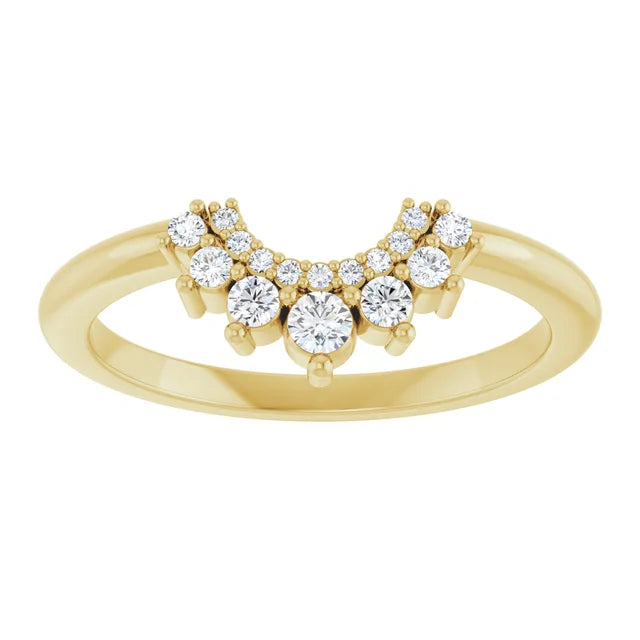
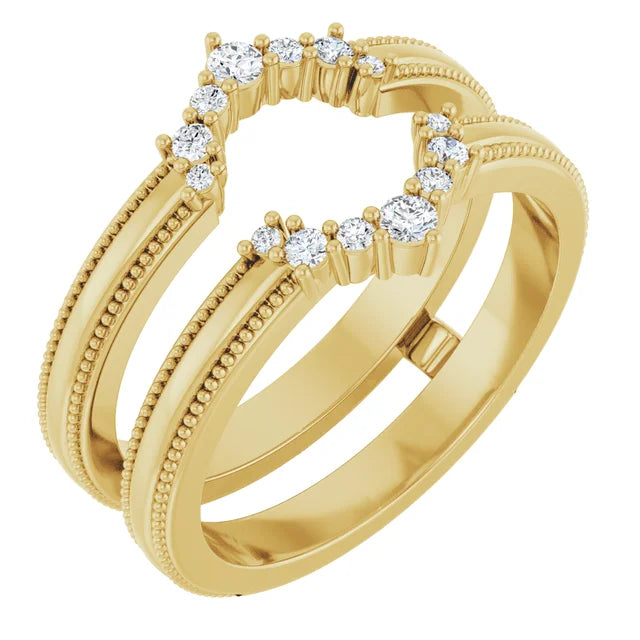
A grandmother’s diamonds can often become part of a new engagement ring, but the design has to suit the stones you actually have. Old cuts, varied sizes and handmade proportions can be beautiful, although they rarely behave like a neat modern set chosen from a tray.
Coloured stones need settings chosen around their weaknesses
Coloured gemstones need a calmer approach because beauty does not tell us how a stone will cope at the bench. Emerald, tsavorite and tanzanite need care around heat. Topaz, because of poor toughness, is a poor match for channel or flush settings where pressure is built into the design.
Kunzite and other coloured stones can still be considered, but the setting style has to respect the stone. Inclusions, fractures near the edge, cleavage and previous treatments all affect what we can safely do. In plain English, some stones need a protective setting and less heat around them.
GIA advises that a gem should be identified before work goes past basic cleaning with warm soapy water. We follow that cautious mindset because guessing at a stone can turn a promising remodel into an avoidable risk.
Old gold is not always the best metal for the new structure
The honest answer is: sometimes. Old gold can sometimes be reused, but gold-plated jewellery and mixed old jewellery are not simple materials to melt straight into a new ring.
Pro Tip
Ask for the metal to be checked before anyone suggests melting it into a new piece. Previous repairs, solder and mixed alloys can affect whether direct reuse is sensible.
GOV.UK hallmarking guidance explains that precious metals are rarely used in their purest form. Gold, platinum, silver and palladium are usually alloyed with other metals for colour and strength. That matters because an old ring or chain may contain solder, previous repairs or an unknown mix of metals.
Sentimental value is not the same as structural reliability. Scrap gold with soldered joints can introduce contamination, and contaminated metal can lead to brittle areas, inclusions or porosity, which means tiny holes or weak patches in the finished metal. Jewellery manufacturing guidance from Ganoksin is clear that refining is the safe route for using scrap metal.
At The Diamond Setter, we look at old metal in the workshop before deciding whether it should be reused directly, refined, replaced with fresh metal, or kept as a sentimental detail in the design story. Choosing fresh metal for the new structure can be the more careful choice, especially when the original stones or design features are the parts that matter most.
The right question is what deserves to carry forward
By the time we have checked the stones, metal and setting, the first question has usually changed. The useful decision is no longer simply whether the old jewellery can be remodelled. The better decision is which part should carry the meaning into the new piece.

Repair suits jewellery you already love and still want to wear in its original form. Restoration protects character where the design itself matters. A new setting works well when the stones are the treasured part, but the old mount has done its time.
UK hallmarking can also sit quietly in the background. Under the Hallmarking Act 1973 and GOV.UK guidance, precious metal jewellery supplied as a new item may need proper hallmarking depending on the metal, description and weight. A full hallmark includes the maker’s or sponsor’s mark, the fineness mark and an Assay Office mark, such as London, Birmingham, Sheffield or Edinburgh. You do not need to manage that yourself, but the jeweller does need to handle it properly.
Before you decide, these are the questions worth asking:
- Which part carries the meaning for you, the stone, the shape, the engraving or the whole piece?
- Will the new design suit how you actually wear jewellery day to day?
- Does the old setting deserve repair, or has it become too fragile for regular wear?
- Could the stones be reset while the original mount is preserved separately?
- Has the metal been checked before anyone promises to melt it into the new piece?
The strongest remodels keep the feeling without insisting that every old part must do a job it can no longer do. A good piece of old jewellery does not have to be forced into a new life; it needs the right part of it carried forward with care.
Questions we get asked about remodelling old jewellery
Can a broken chain be used in a new piece?
A broken chain can sometimes be part of the design idea or sentimental metal story, but worn or hollow links are less predictable as structural material. We need to inspect the chain before saying whether it can be reused, refined or preserved separately.
Can an odd earring become a pendant?
An odd earring can make a lovely pendant if the stone or motif sits well on its own. The final design depends on the size, condition and balance of the piece.
Do old settings have to be destroyed to reuse the stones?
Old settings do not always have to be destroyed. Stones can sometimes be removed while the original mount is kept, although very worn claws or brittle metal can limit how gently that can be done.
Is remodelling cheaper than buying new jewellery?
Cost depends on the design, the condition of the old piece, the stones being reused and the amount of workshop time needed. Remodelling can be good use of what you already own, but it should not be promised as the cheaper route in every case.
Can several family pieces be made into one item?
Several pieces can sometimes be brought together in one design, especially when the stones work well as a group. The design needs to feel balanced and wearable, so we may use selected parts rather than every component.
This is general information, not professional advice.
Questions about stones? We are happy to help.
Talk to Our Team
Leave a comment