



6 min read
Why does it matter whether a jeweller makes and repairs pieces onsite?
It matters because the person who sold the piece is not always the person who can inspect, adjust, repair, or explain it when a problem appears. An onsite jeweller can usually see the issue directly, answer specific questions, and take responsibility in one place, whereas outsourced jewellery often passes through several hands before anything is resolved.

In This Article
The Outsourcing Reality
A lot of people walk into a jewellery shop and assume the work happens somewhere behind the door at the back. That assumption feels reasonable. The counter is there, the display is there, and the person speaking to you sounds knowledgeable.
In many cases, though, the shop is acting as a retailer and the making or repair work happens elsewhere in a separate workshop. That workshop might be local, or it might be in another town, including places such as Hatton Garden where many jewellery workshops support retail jewellers that do not make pieces themselves.
None of that automatically means poor quality. Plenty of retailers work with skilled makers. The issue is structural. Once creation and repairs sit outside the business that sold the item, the customer is further away from the person actually doing the work.
That distance stays invisible until something goes wrong. A loose stone, a ring that does not sit quite right, a claw that catches on knitwear, or a repair that comes back looking different from what was discussed can turn a simple question into a longer chain of messages. What looked like one relationship was actually several, and the customer often finds that out at the least convenient moment.
Responsibility Gaps
Problems with jewellery rarely feel abstract. They tend to arrive with emotion attached. An engagement ring carries memory and expectation. A family piece carries history. Even a straightforward repair can feel personal if the item is worn every day.

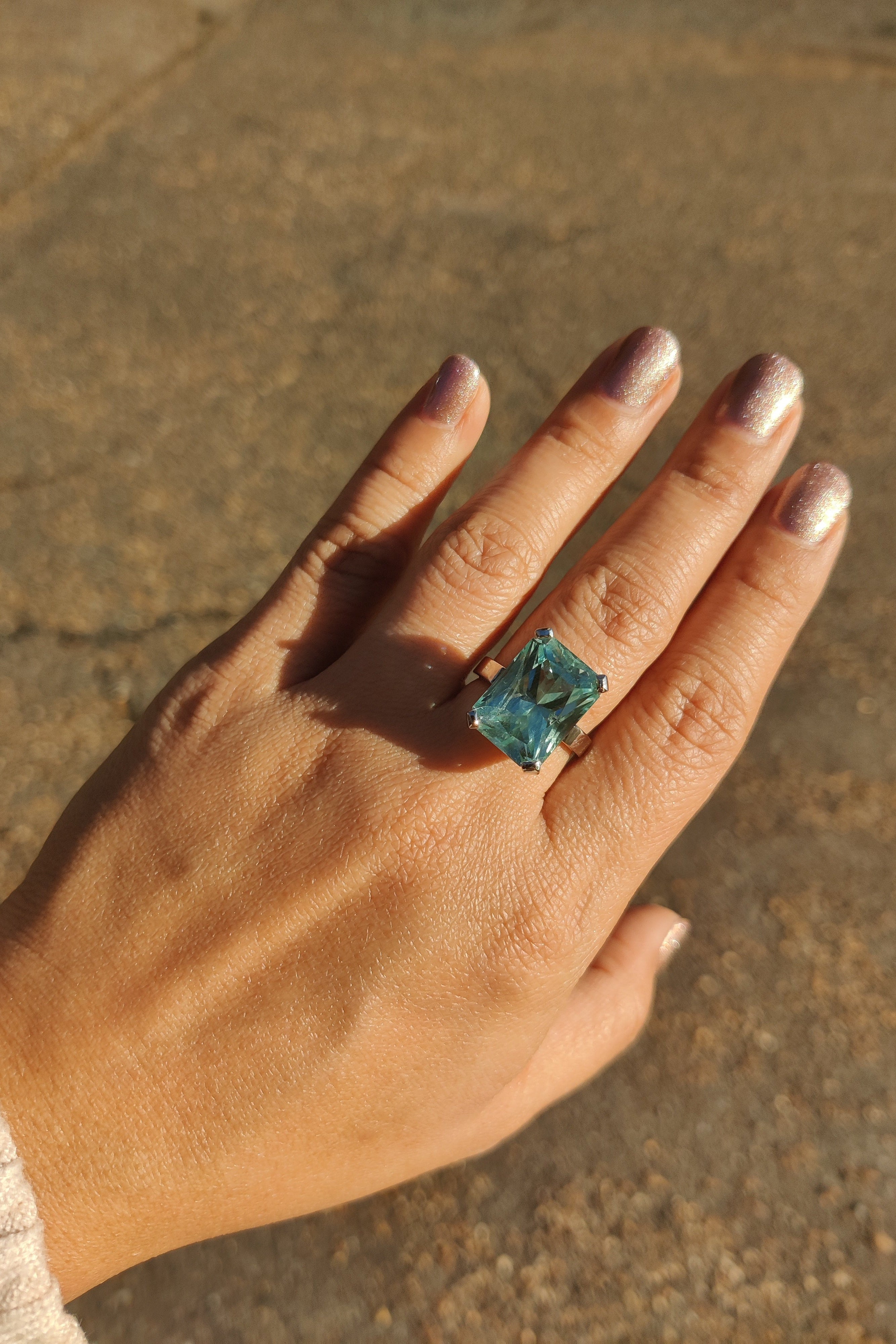
Ring Inspection
Once outsourced repairs enter the picture, responsibility can start to blur. A customer reports a problem to the person at the counter. That message goes to customer service or a workshop liaison. The piece may then be assessed by a repair technician the customer never meets. If the issue involves a guarantee, an insurer may also become part of the conversation.
At each step, the language can shift slightly. One person may describe a fault as wear and tear. Another may see it as a repair issue. Someone else may say the piece needs further inspection before any decision is made. Meanwhile, the customer is left trying to work out who actually has authority to put it right.
Even simple questions can become slippery. Who approved the repair? Who decided that a stone replacement was suitable? Who noticed the sizing mark? Who is responsible if the finish does not match what was expected? In an outsourced system, those answers are not always obvious because the sale, the assessment, the bench work, and the aftercare may all sit with different people.
That is where frustration tends to build. The problem is no longer just the ring or bracelet. The problem is the feeling of being one step removed from the person who knows what happened to it.
Communication Barriers
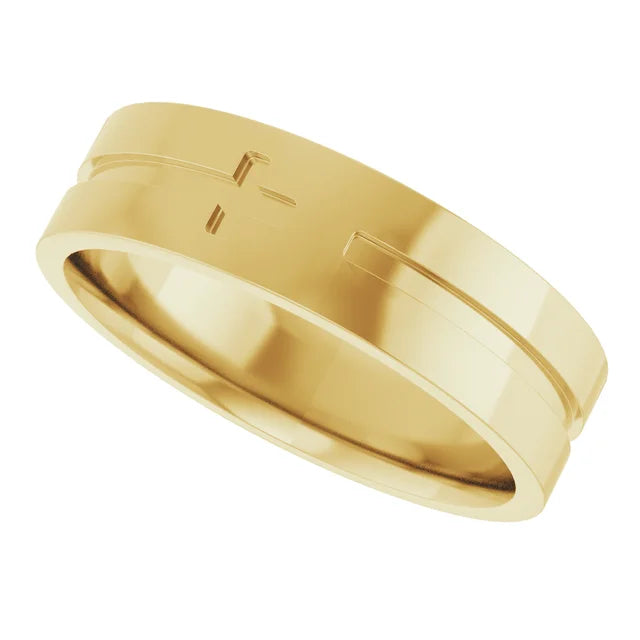
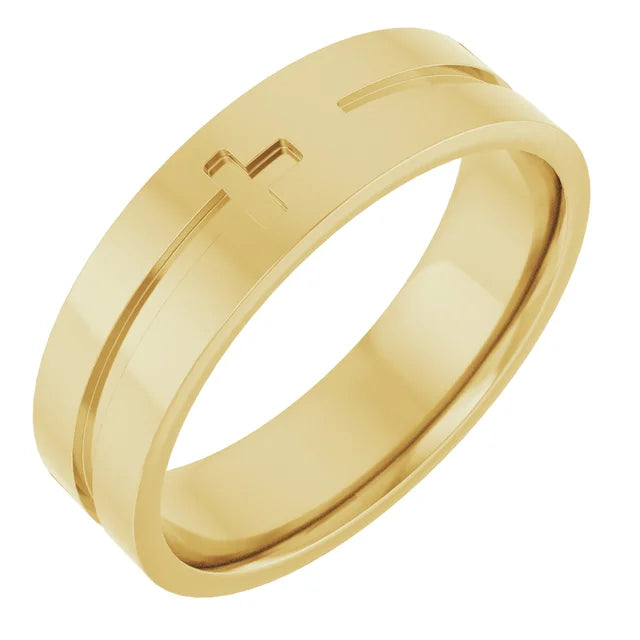
A customer asks for a wedding band to sit flush against an engagement ring. By the time that request has moved from sales associate to workshop liaison to CAD designer, the meaning may have narrowed. One person hears "flush". Another hears "close enough". A third works from a note that leaves out how the ring actually sits on the hand.
Have a design in mind? Let’s bring it to life.
Start Your Bespoke JourneySmall details are often the first to go missing. The customer may have pointed to the exact height of a setting, explained that a repaired chain must keep its soft drape, or mentioned that a sentimental engraving matters more than a polished finish. If the person doing the work never hears that directly, the result can miss the mark without anyone being careless.
Timelines can stretch for the same reason. Questions need to travel back through the same chain they came down. A workshop may pause the job because a detail is unclear. The shop then contacts the customer. The customer replies. The message goes back again. What could have been settled in one conversation becomes several rounds of waiting.
Trust starts to thin out in these moments. Customers do not always need technical language. They usually want confidence that the person making the decision understands what they mean and why it matters.
The Value of Onsite Craft
An onsite jewellery workshop changes the experience because the maker is part of the conversation from the beginning. If a ring needs adjusting, the jeweller can inspect it, explain what they see, and tell you what is realistic before the piece disappears into a wider supply chain.

That direct link matters in practical ways. A customer can describe how a ring turns on the finger, where it rubs, or why a stone feels too exposed in daily wear. The jeweller can respond to the actual hand, the actual piece, and the actual concern, instead of relying on a note passed between departments.
Face-to-face discussion also helps with bespoke work. A sketch, a CAD design, and a finished piece are all easier to refine when the customer and maker can speak plainly to each other. Changes can be discussed in real time. Questions about diamond quality, gemstone options, setting style, or wearability become clearer when they are answered by someone with hands-on knowledge, including formal training such as GIA certification where relevant.
The reassurance is often quieter than people expect. You are not trying to decode who is responsible or where the piece has gone. You know where the work is happening. You know who is doing it. You know who to speak to if something needs attention later.
At The Diamond Setter, that distinction is built into the service because the jewellery is made and repaired onsite in the workshop at The Pantiles, which gives customers direct access to the people handling the piece itself.
What Insiders Wish They’d Known
People with experience in this trade often look back and realise that the smartest question was never about trend, brand, or display. The useful question was simpler: who is actually making this, and who will actually repair it if needed?
That question changes the whole shape of the experience. It tells you whether you are dealing with a workshop jeweller or a retail front connected to other businesses behind the scenes. It tells you how direct the aftercare is likely to be. It also tells you how easy it will be to discuss a problem with the person who can genuinely assess it.
Experienced clients tend to value transparency more with time. A polished showroom can be lovely, but clarity about where the work happens often proves more meaningful months or years later, when a ring needs resizing, a claw needs checking, or a sentimental piece calls for careful remodelling.
The quiet advantage is knowing that "made onsite" is not a marketing flourish. It is a practical difference that shapes accountability, communication, and peace of mind long after the box is opened.
Curious what is possible? Just ask.
Get in Touch
Leave a comment