

6 min read
Can you choose an eternity ring as your wedding ring?
Yes, you can use an eternity ring as your wedding band if it is comfortable, secure and made for daily wear. The main difference is purpose: a wedding band marks the ceremony, while an eternity ring usually marks a milestone. The right design can do either job.

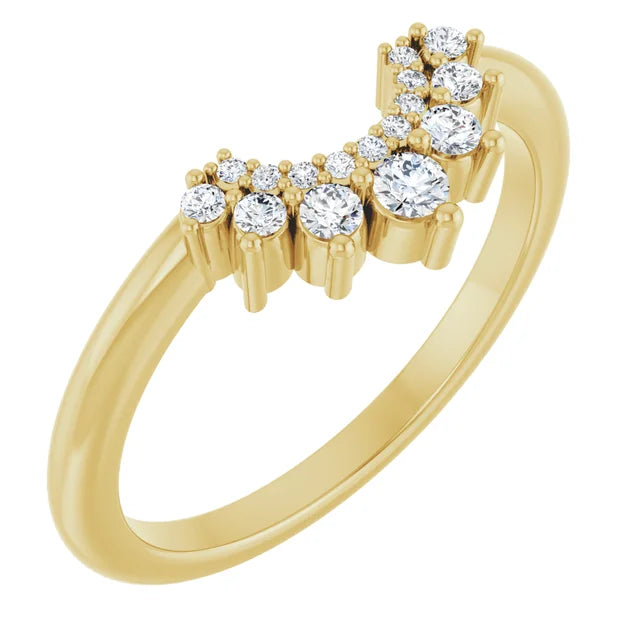
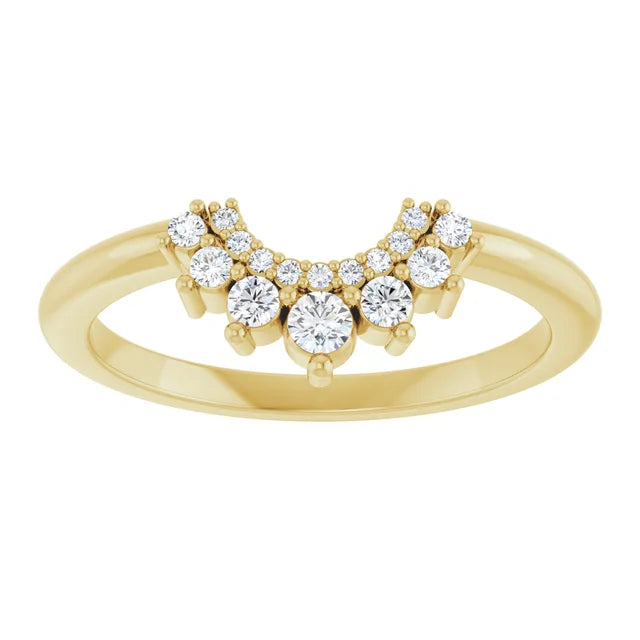
A lot of people ask this because the categories now overlap. A wedding band with diamonds can look very close to a half eternity ring, and a simple eternity-style band can feel much more personal than a plain ring.
For a civil marriage in England and Wales, Citizens Advice says rings are not required, although couples can exchange them if they wish. Personal, family or religious expectations may still matter to you, but the law does not demand a plain band.
The useful question is whether that ring will still work after years of wear, resizing needs and being worn beside your engagement ring. The name of the ring matters less than how well it is made for the job.
In This Article
Purpose, timing and design are the real differences
Ring names describe the usual role of the ring. A wedding band is chosen for the ceremony and married life, and an eternity ring is often linked with a later milestone, so the design can cross over freely.
The table below compares plain wedding bands, diamond-set wedding bands, half eternity rings and full eternity rings in practical terms.
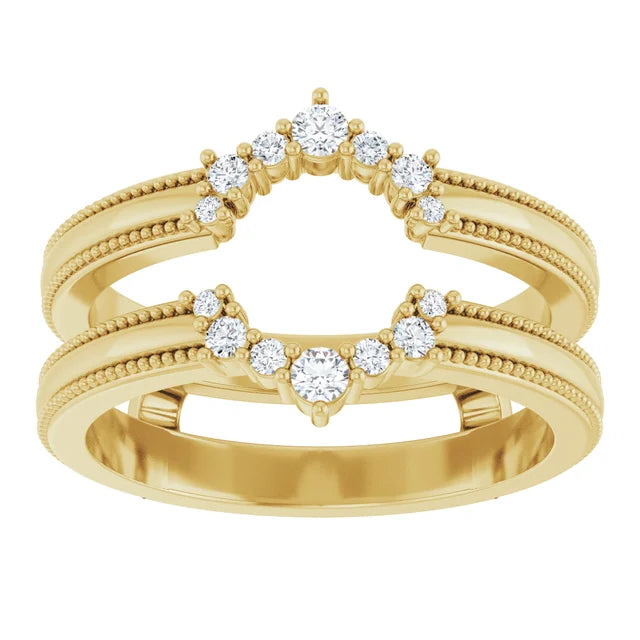
Overlap is normal. A diamond wedding band can look like an eternity ring, and a half eternity wedding band can be made with the meaning and role of a wedding ring.
What we look at first is how the ring behaves on the hand. Width affects comfort, profile affects whether it rubs the next ring, and stone setting affects how easily the ring can be cleaned or worked on later. Labels help you shop; construction tells you how the ring will live.
Full eternity is beautiful but half eternity is often wiser
Someone may love the idea of diamonds all the way around, then plan to wear that same ring every day as the wedding band. That is where we slow the decision down, because full eternity designs give less room for future change.
Pro Tip
Try the band with your engagement ring on the same hand, because profile and gap can change once the two rings move together.

GIA 4Cs says pave settings, where small stones sit close together, and channel settings, where stones sit between two metal walls, cannot be resized easily. It also says eternity or anniversary rings with diamonds around the entire band can be very difficult to resize.
At The Diamond Setter, we look at the setting and sizing options together in our onsite workshop before treating a full eternity wedding band as the obvious answer. A half eternity or three-quarter style can keep the diamond look across the visible part of the finger, while leaving plain metal where it is most useful.
For daily wear, we check five things:
- Resizing potential. Plain metal at the back gives a jeweller more room to adjust the ring later.
- Setting protection. Small stones need enough metal around them to hold up to regular wear.
- Comfort between fingers. Stones around the sides can feel different from a smooth band.
- Fit beside the engagement ring. A raised engagement ring may need a shaped wedding band or a lower profile.
- Maintenance access. Settings that can be checked and cleaned properly are easier to look after over time.
A full eternity ring works very well for some hands and lifestyles. For many couples, though, a half eternity wedding band gives the better balance because the diamonds sit where you see them and the plain section does the practical work.
The right wedding stack is designed, not guessed
A straight eternity band can look perfect in a photo, then sit awkwardly beside a raised engagement ring. The gap may be small, but it can change how the rings move and where metal touches metal.
Looking for wedding rings crafted just for you?
Explore Wedding RingsGIA 4Cs describes the traditional stack as the wedding band first on the finger, the engagement ring above it and the eternity ring above that. It also says couples can create a stack that works for them, which matches what we see at the bench. The best order is the one that wears cleanly.
Pro Tip
If you want future resizing flexibility, look closely at how much plain metal remains at the back of the band.
At The Diamond Setter, we make and repair jewellery onsite in our workshop at The Pantiles in Tunbridge Wells, so we can check fit, profile and setting height properly. That matters because two rings can look matched from above and still clash at the side.
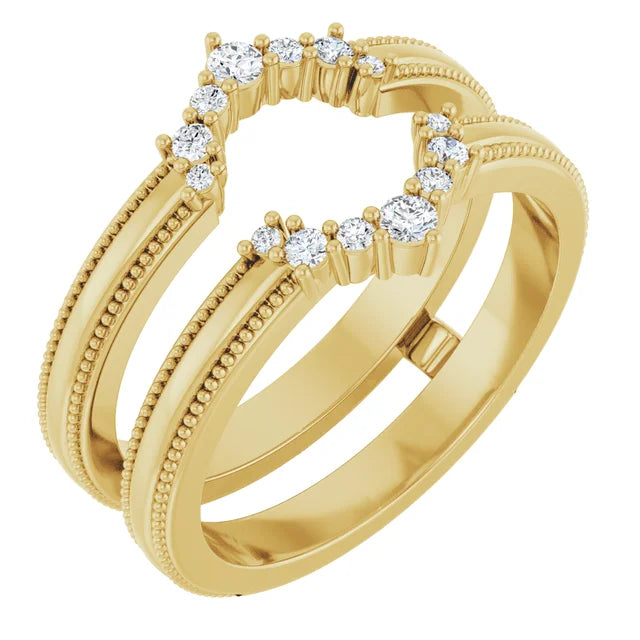
A good wedding band to match an engagement ring may need a curve, a shaped edge or a slightly different width from the one you first imagined. Trying the engagement ring and proposed band together is the reliable test, especially if the centre stone sits low or the setting has side detail.
Tradition gives you a starting order; your hand gives the final answer.
Daily wear will outlast tradition
The ceremony is one day. After that, your ring is worn at work, cleaned, stacked with other rings and taken on and off over many ordinary weeks. That is why deciding on an eternity ring for daily wear comes down to comfort, stone security and whether a jeweller can service the ring without fighting the design.

Metal choice sits in that same practical bucket. Gold and platinum behave differently in wear, and the right choice depends on your engagement ring, your preferred colour and how you use your hands. A capable jeweller will talk through that in plain terms, so you can weigh the options on how each one wears.
A UK buying check is worth knowing too. GOV.UK says precious metal items sold as gold, silver, platinum or palladium must have a legally recognised hallmark if they exceed the relevant exemption weight, and a complete hallmark includes a sponsor's or maker's mark, a metal and purity mark and an Assay Office mark.
The strongest choice will be the ring that can be worn, checked and cared for without the design getting in its own way.
Questions couples ask us about eternity rings and wedding bands
Do wedding bands have to be plain?
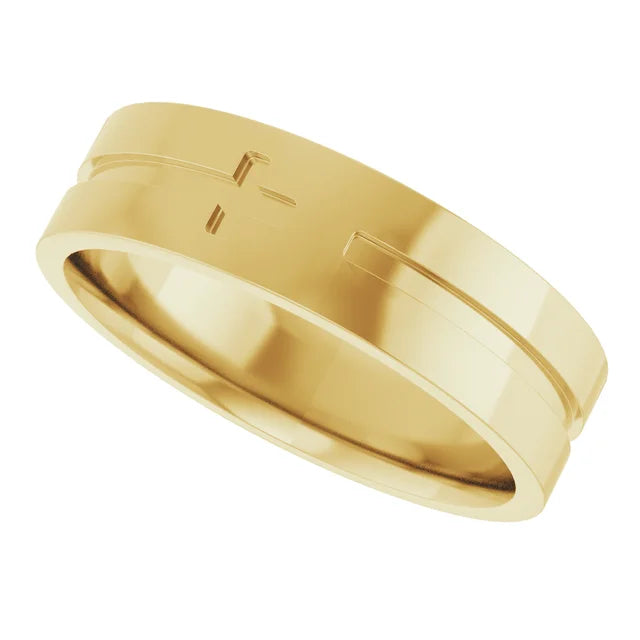
No, wedding bands do not have to be plain. A wedding band with diamonds is a normal choice, provided the design is comfortable enough for daily wear and sits well beside your engagement ring.
Can you exchange a diamond-set band in a civil ceremony?
Yes, you can exchange a diamond-set band if that is the ring you want to use. In England and Wales civil ceremonies, rings are optional, so the style of ring is a personal choice.
Will an eternity-style band damage my engagement ring?
An eternity-style band can rub against an engagement ring if the profiles do not sit well together. We check the height, curve and contact points so the rings sit neatly and do not press against each other.
Can I wear an eternity ring on my right hand instead?
Yes, you can wear an eternity ring on your right hand if that feels better or suits your existing rings. The same practical checks still apply, especially comfort, setting security and sizing.
Can inherited stones be used in an eternity-style wedding band?
Inherited stones can sometimes be used in a new eternity-style band if they suit the design and condition of the ring. Our workshop can assess whether the stones are suitable before any new piece is made.
Every pair is made by hand in our workshop.
See How It Works
Leave a comment