

8 min read
Can you use your own diamond or family stones in your new ring?
We can often use an existing diamond or family stones in a new ring, but the stone needs checking before we promise a design. Its condition, size, shape and current setting decide whether it becomes the main stone, a side stone or something more protected within the new piece.

In This Article
The short answer
A grandmother's ring, a mother's engagement ring, loose diamonds in a box or an unworn ring can often be remodelled into something you will wear. That might mean an inherited diamond engagement ring, a wedding ring with family stones, or a bespoke ring built around one stone that matters to you.
We will not say yes too quickly. A stone can look secure in an old setting and still have wear hidden under the claws. A design idea might be possible on paper, then need changing once the stone has been measured and checked.
Possible also does not have to mean centre stone. A smaller family diamond might work better as a side stone, a hidden stone or part of a wedding band. The aim is to use the old piece carefully, instead of forcing it into a new ring that does not suit it.
Stone condition first
The stone comes before the design. Before we reset a family diamond, we need to inspect the stone, its edges and the old setting so the new ring protects what you already have.
Pro Tip
Bring the full ring rather than just the loose stone whenever possible, because the old setting often reveals how the diamond has been worn and what level of care it may need.
At The Diamond Setter, we assess this in our onsite Tunbridge Wells workshop. This means the conversation is tied to the work itself, not separated from it. The practical sequence matters:
- Look at the stone in its current setting. We check how the stone is held and whether claws, rubover edges or old repair work are hiding wear.
- Clean and measure it. Dirt and old polish can make a stone harder to judge, and exact measurements matter if we are making a new setting around it.
- Check the vulnerable areas. The girdle, which is the outer edge of the diamond, needs attention, especially on older stones. Points, sharp corners, chips and inclusions near the edge affect how safely the stone can be removed and reset.
- Talk through removal risk before anything is done. Removing a diamond is normal workshop work, but normal does not mean risk-free.
- Design the new setting around what we find. A prong setting might suit one diamond well, while another needs a bezel setting, partial bezel setting or V-shaped prongs for extra protection.
The Gemological Institute of America notes that diamond chips commonly happen when the girdle or a point strikes something hard, and that points, sharp corners and very thin girdles carry more risk. It also notes that inclusions near the girdle or points can make a diamond more prone to chipping or breaking. In plain terms, a careful setting choice is part of protecting the stone, not a decorative afterthought.
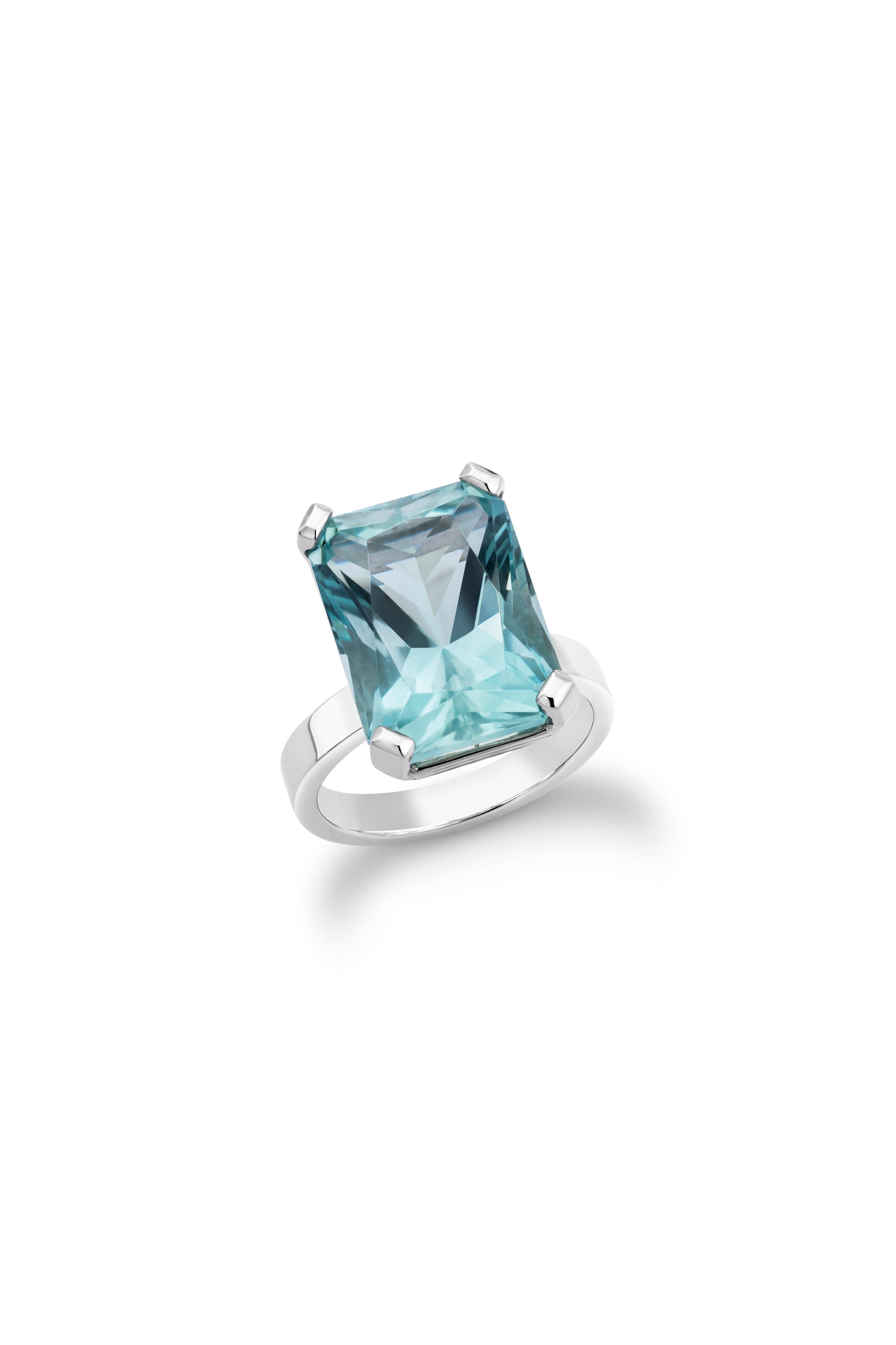
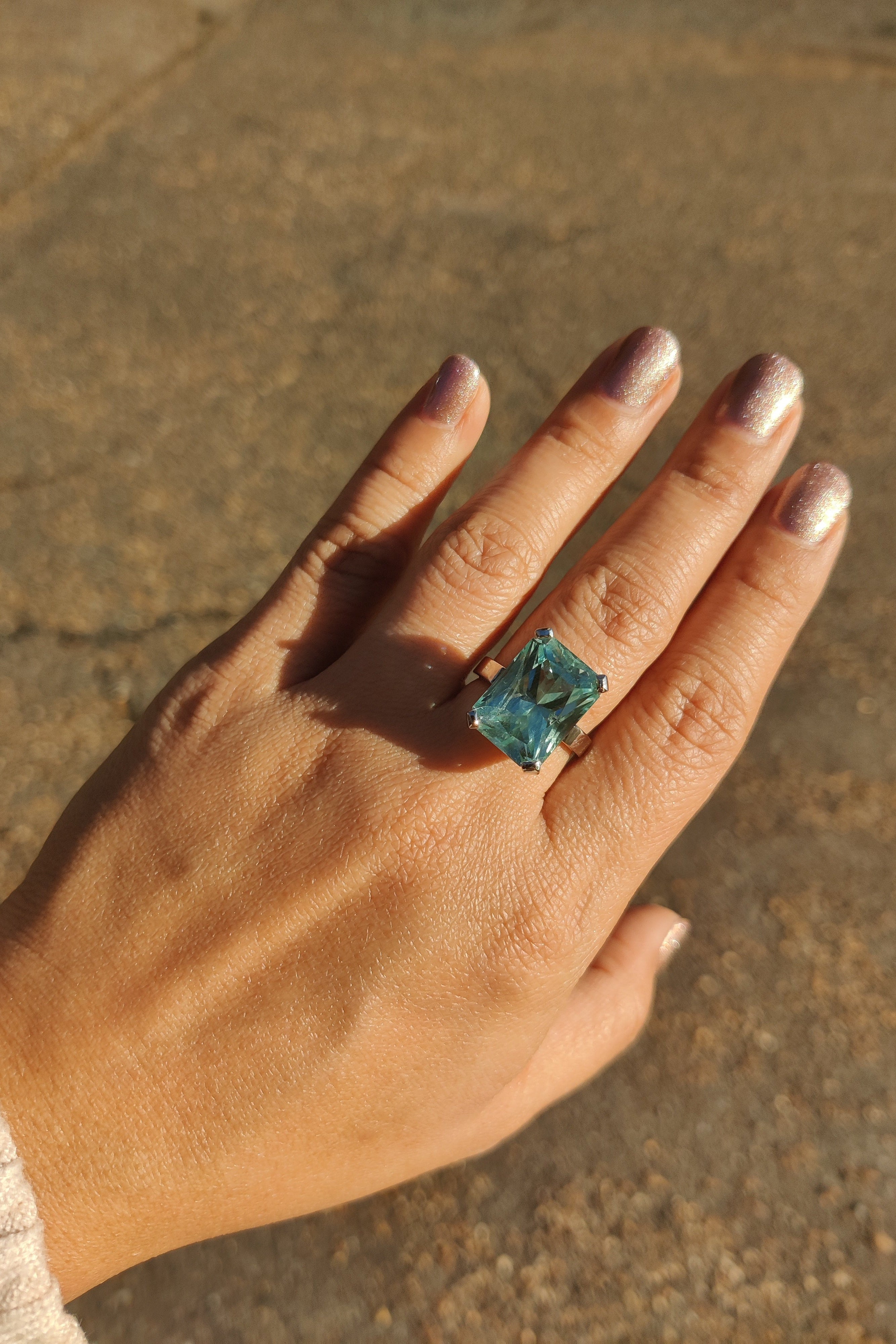
Coloured family stones need the same caution, sometimes more. A sapphire, emerald or other gemstone may have different limits from a diamond, so we first need to know what the stone is and how it will cope with being set and worn.
Design options beyond solitaires
A family stone does not have to become a classic solitaire. We often look at the stone's size, cut and condition before deciding its role in the new design.
Ready to find your perfect engagement ring?
Book a Free Consultation
That gives you more room than you might expect. An old mine cut, old European cut or rose cut may have proportions that do not sit neatly in a standard mount, but that does not make it unusable. Computer-aided design, often called CAD design, lets us build a ring around exact measurements rather than asking an older stone to behave like a modern standard-cut diamond.
Here is the simple trade-off between common routes.
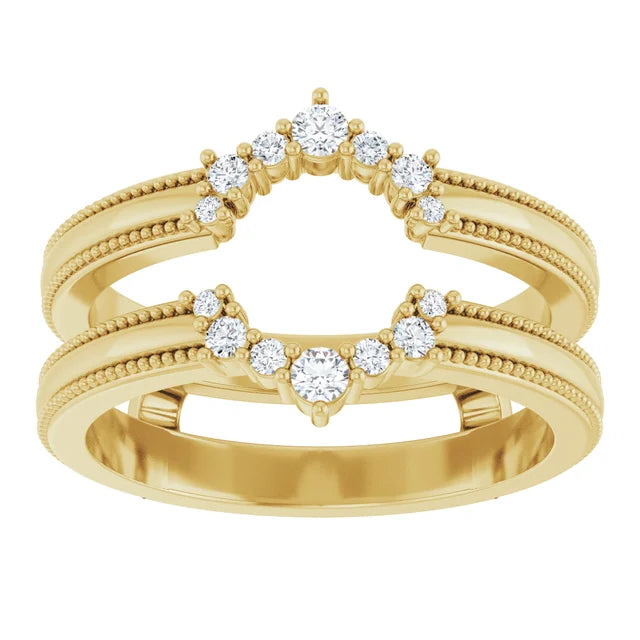
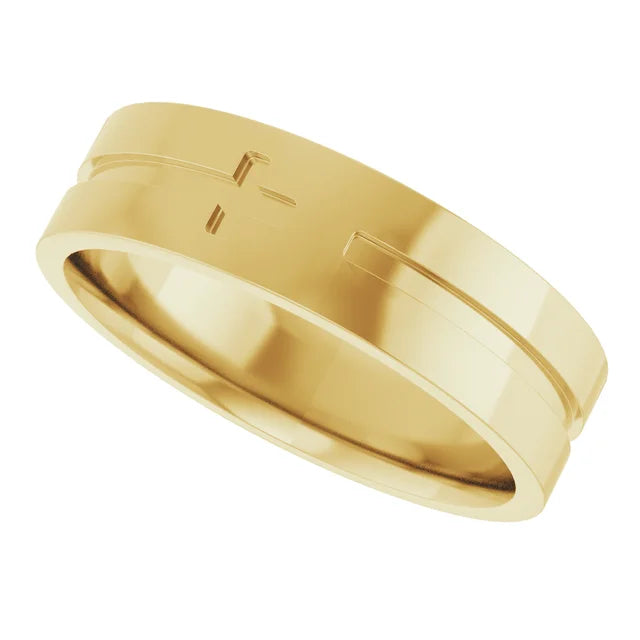
Adding new stones can also make an older diamond work better. A small family stone might sit beautifully beside a new centre diamond, or several inherited stones might give a wedding band its meaning. The better question is what job the stone should do in the design.
Original settings and old gold
The stone is only one part of the decision. An heirloom ring has a mount, metal, proportions and family history, and those details deserve a proper look before any stone is removed.
Pro Tip
If the stone has family significance, decide in advance whether you want to keep the original mount, reuse some of the metal or preserve it separately, since that choice affects the redesign from the start.
Keeping the old setting and creating a new ring are separate choices. You might keep the mount separately, photograph the original ring, reuse only some stones or set aside a piece that feels too personal to alter. At our workshop at The Pantiles, Tunbridge Wells, we look at the whole item first because the best answer is not always to dismantle everything.
Old gold also needs a practical conversation. Sometimes metal from an old ring can be part of the plan, but you should not assume it can simply be melted down and turned into the exact new ring you have in mind. Metal condition, quantity and the new design all affect what makes sense.
UK hallmarking rules under the Hallmarking Act 1973 matter when a new ring is made and described as gold, silver, platinum or palladium. The National Association of Jewellers explains that such jewellery generally needs a recognised hallmark unless an exemption applies, and that hallmarking confirms precious metal purity but does not prove diamond quality, stone identity or jewellery safety. The four authorised UK Assay Offices are Birmingham, Edinburgh, London and Sheffield.
That legal detail should sit quietly behind the work, handled properly where it applies. Your practical decision comes earlier: agree what you want to keep from the original piece before the first stone is lifted.
What to bring for an assessment
The most useful thing is the whole piece, not a cropped photograph. A ring, even an old or damaged one, tells us how the stone has been worn, how it is held and what might be possible next.
At The Diamond Setter, we would rather see the jewellery properly than make assumptions from an image alone. These items help us give clearer advice:
- The whole ring or item of jewellery. If the stone is still set, the mount gives us useful information.
- Loose stones, even if you are unsure what they are. We can then talk about which ones may suit a ring and which may be better used elsewhere.
- Certificates, valuations or old paperwork. These can help, but missing paperwork does not stop the discussion because the physical stone still needs checking.
- Photographs of the original piece, especially if you want a record before anything changes.
- Design references that show the style you like. The final design still has to fit the stone, but references help us see your taste.
- Any family agreement that matters to you. Even where the jewellery is yours, it can be better to settle that side of the decision before workshop work begins.
A prepared assessment is not about turning up with perfect paperwork. It is about giving the jeweller enough of the real item to judge it properly.
The respectful reset
A common misconception is that resetting a family stone is automatically disrespectful. It is not. Respect comes from making a careful choice, and that choice might be to remodel the ring, preserve it untouched or use only one small part of it.

Another assumption causes trouble too: keeping an heirloom ring exactly as it is must be safer or better. Sometimes it is. In other cases, the old setting is worn, the stone is not secure, or the ring stays in a drawer because nobody wants to wear it as it is.
A workshop-led approach gives you options without pushing the answer before the jewellery has spoken for itself. Assumption is the real risk: the ring deserves a decision made after assessment, not before.
Questions we get asked about family stones and new rings
Do I need a certificate for an inherited diamond?
A certificate can help, but it is not the starting point for deciding whether the diamond can be reused. The stone still needs to be inspected in person because condition and setting suitability matter.
Can a coloured family gemstone go into an everyday ring?
A coloured gemstone can be used in a ring only if its identity, condition and durability suit the design. Some coloured stones need more care during setting and wear than diamonds.
Can the old mount be kept after the stone is removed?
The old mount can often be kept as a separate sentimental piece, although its condition affects how intact it remains. We discuss that before removing the stone so you know what to expect.
Can a family diamond be used in a wedding band instead of an engagement ring?
A family diamond can work well in a wedding band if its size, shape and condition suit that style of setting. Smaller stones are often easier to include in bands than as main stones.
Is it bad luck to reset a grandmother's ring?
Bad luck is a personal belief, not a jewellery rule. Many people feel comfortable resetting a grandmother's ring once they have preserved the story of the original piece and chosen a design with care.
This is general information, not professional advice.
Not sure where to start? We can guide you.
Book a No-Obligation Chat
Leave a comment