

5 min read
What does a big rise in gold prices actually mean for your ring budget?
It usually means some upward pressure on costs, but not a simple 50% jump in what you will pay. Gold is only one part of a ring budget. Design, stone choice, setting, labour, and sourcing decisions often shape the final figure far more than a headline about the gold market.
In This Article
Most Headlines Miss the Real Story: Gold Price Hikes Aren’t the Whole Picture
Most people misunderstand what gold price rises mean for their ring budget.
News coverage tends to focus on dramatic percentages tied to the gold spot price or benchmark movements tracked through bodies such as the London Bullion Market Association. That makes sense for markets coverage, but it tells you very little about the cost of making a ring that suits your taste, your priorities, and your budget.
What you see in headlines is a big number. What matters for you is how much gold is actually in the ring, what else the design includes, and how the jeweller sources and makes it.
A few assumptions often muddy the picture:
- A rise in gold prices means every ring price rises by the same amount.
- Bespoke jewellery becomes out of reach as soon as the gold market moves up.
- Waiting for calmer gold market changes will automatically lead to better value.
Budget anxiety often starts with those assumptions. The practical picture is usually calmer, because ring costs are shaped by more than raw metal alone.
Material Costs Are Only Part of the Equation, Design and Craft Matter More
Gold is rarely the main event in bespoke ring pricing.

A finished ring includes material, of course, but it also includes the thinking, drawing, sourcing, making, setting, finishing, and fitting behind it. Once a design becomes more detailed, the skill involved can outweigh the gold cost impact by a comfortable margin.
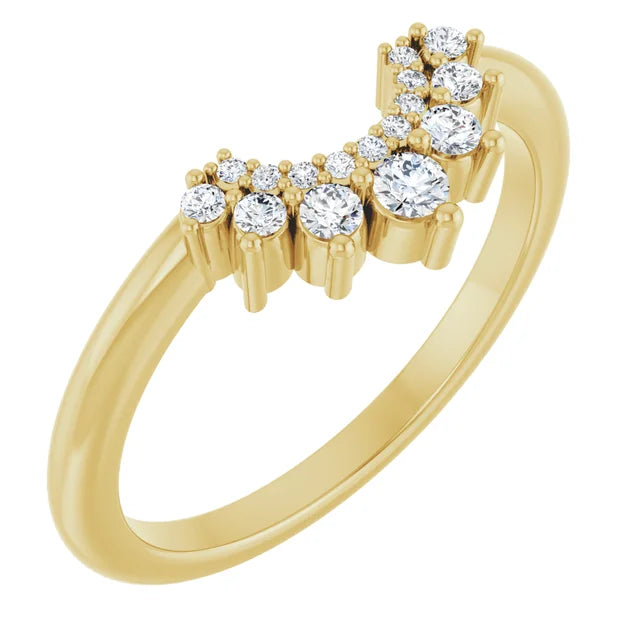
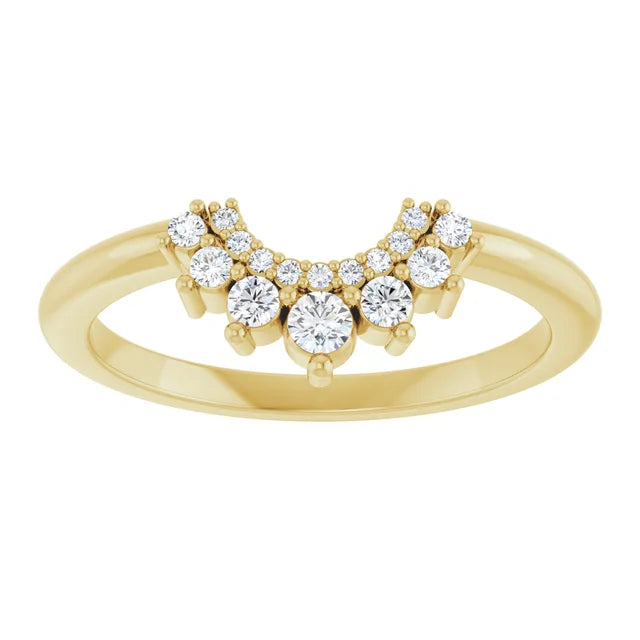
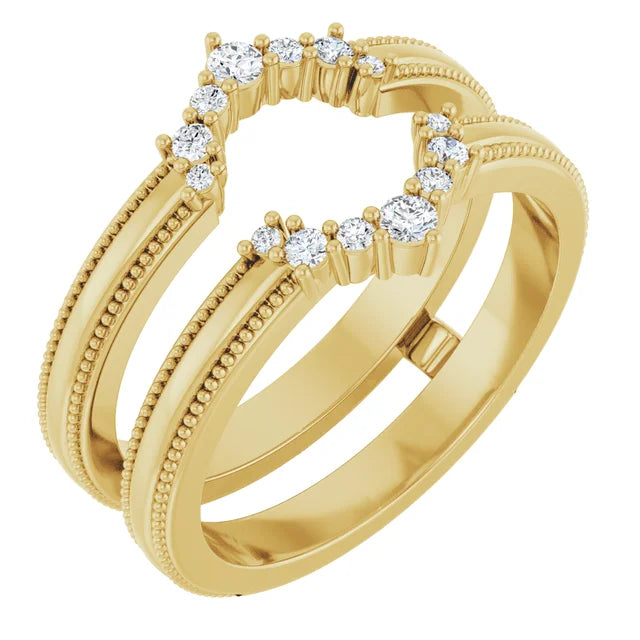
Picture the budget as a pie in words. One slice is metal. Another is the stone or stones. Another covers the work needed to create the piece, including CAD design, adjustments, setting, and finishing. A plain band and a diamond engagement ring may both contain gold, yet the second piece can differ far more because of stone sourcing and setting style than because of the metal itself.
Stone choice often shifts the figure more noticeably than people expect. A different diamond shape, a change in size, or a move from one gemstone option to another can alter the balance of the whole budget. Guidance grounded in gemmology, including training recognised by GIA, can make those choices clearer without making them feel technical.
The making process matters too. A retailer working from standard stock approaches costs differently from a jeweller with an onsite workshop who can adapt a design, refine proportions, or suggest practical changes during the build. At The Diamond Setter, that workshop-based approach means the work is made and repaired onsite rather than sent elsewhere, which gives more room for sensible decisions during the ring design process.
That is why two rings with similar gold weight can land in very different places once craftsmanship enters the picture.
Have a design in mind? Let’s bring it to life.
Start Your Bespoke Journey
Budget Flexibility Remains, Even with Gold at Record Highs
A higher gold price increase does not remove your options.
Many people hear that gold ring costs are up and assume the only choices are to overspend or settle. In practice, a bespoke process can still leave plenty of room to shape the ring around what matters most to you.
Several choices can keep a project on track:
- Adjust the width, thickness, or overall profile of the band.
- Compare yellow, white, and rose gold with platinum, depending on the look you want.
- Put more of the budget into the centre stone and simplify the setting, or do the reverse.
- Remodel existing jewellery if suitable materials or stones can be reused.
Some of those changes are visual. Others are structural. A slimmer band with well-judged proportions can look elegant and intentional, not compromised. A different setting style can reduce labour or metal use, or sometimes increase it, which is why blanket assumptions about affordable engagement rings usually miss the point.
In a workshop-led process, the useful question is not whether bespoke jewellery cost has become impossible. The useful question is where the budget matters most to you. One person wants a stronger presence in the diamond. Someone else wants a richer gold colour and a simpler top. Another client may choose to redesign an older piece instead of starting from scratch, which can shift the balance again.
Within Tunbridge Wells, where many clients visit the showroom at The Pantiles after assuming bespoke will be beyond reach, the surprise is often how much control exists once the design starts taking shape.
Chasing the Market Rarely Pays Off, Planning and Personal Value Win
One approach fixates on timing the gold price. The other starts with the ring itself.
The first person keeps waiting for the perfect dip in the market, checks charts, follows headlines, and delays decisions because next month might look better. The second person decides on a realistic budget, chooses the features that matter most, and works with a local jeweller or bespoke workshop to shape the design accordingly. Market movements still exist in both cases, yet only one of those people is making progress.
Price-watching can feel sensible, but it often creates a false sense of control. Gold may soften, hold steady, or rise again. Meanwhile, design approval, stone sourcing, finger size, wearability, and the overall feel of the piece remain the things that determine whether the ring is right once it is worn every day.
A ring chosen through planning usually works out better long-term than a ring delayed in pursuit of a perfect market moment, because fit, craftsmanship, and personal meaning tend to last longer in memory than the week you happened to buy the gold.
Curious what is possible? Just ask.
Get in Touch
Leave a comment