

8 min read
Blue, teal or parti sapphire: which colour should you choose?
Choose blue if you want a classic sapphire look, teal if you like a blue-green middle ground, and parti if you want colour zoning to shape the design. We judge the actual stone first, because tone, cut, metal and daylight matter more than the colour name.

Plenty of couples start by asking for a blue sapphire engagement ring, then pause when a teal stone catches the eye. After that, a parti sapphire can change the whole conversation, because its mixed colours make the ring feel more personal.
None of those choices is automatically better. Blue feels composed and familiar. Teal brings a cooler, modern shift. Parti sapphires make the colour pattern part of the ring’s character. The safest route is to compare real stones against your daily style, your preferred metal and the setting shape you have in mind.
Sapphire is a practical gemstone for an engagement ring. The Gemological Institute of America, or GIA, describes sapphire as a durable stone and one of the “Big 3” coloured gemstones alongside ruby and emerald. That does not make every sapphire identical, though. A stone can be durable and still be the wrong colour, depth or cut for the ring you picture.
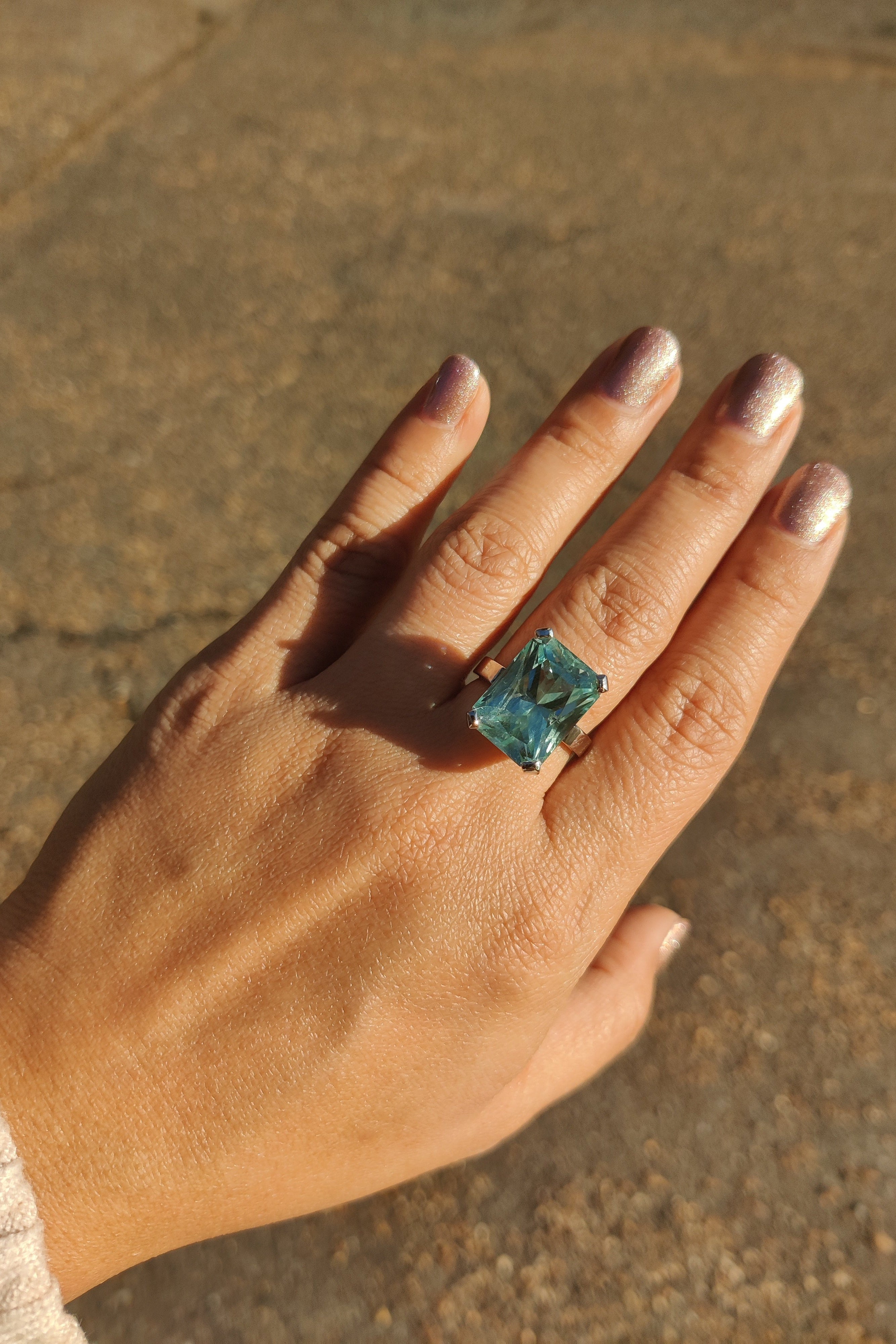
Screens are the risky part. A video can make a stone look brighter, greener or lighter than it feels in your hand, so the next step is to judge how the colour behaves face up.
In This Article
Colour looks darker once a sapphire is set
A sapphire that looks bright as a loose stone can look deeper once metal surrounds it. We watch this carefully with darker blue, inky teal and strongly zoned parti sapphires, because the finished ring is what you will live with.
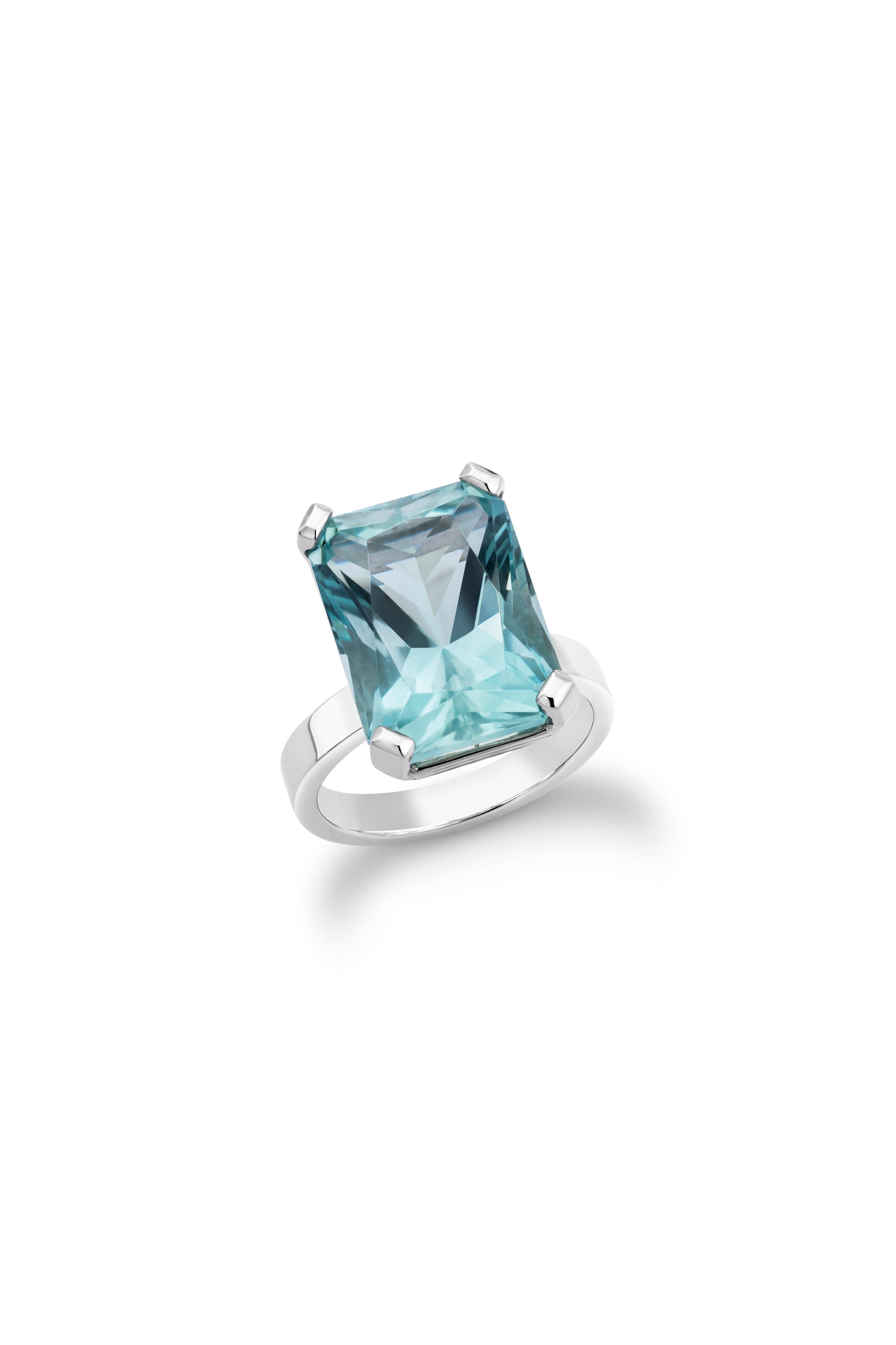
Loose stones get light from many angles. Once a sapphire sits in a claw, bezel, halo or lower setting, the metal changes how much light reaches the stone and how much comes back to your eye. A dark teal in a bezel can look rich and moody, or it can lose the blue-green lift that made you like it in the first place.
Cut plays a large part here. GIA says cutters consider colour zoning and pleochroism, which means colour shifts from different viewing directions, as well as the lightness or darkness of a sapphire when working out the best overall colour and proportions. In plain buying language, that means the shape and depth of the stone affect how lively it looks.
Parti sapphires need another layer of care. A setting that hides one colour zone can make the stone feel less balanced, while the right orientation can frame the blue, green or yellow areas so they look intentional. Darker does not mean wrong. Accidental dullness is the thing to avoid.
Blue, teal and parti each send a different signal
Sapphire ring colour changes the mood of the whole design. We compare the options by how they look on the hand, what kind of style they suit and what you need to check before saying yes.
Pro Tip
Compare the same sapphire in daylight and indoor light before you decide, because the colour can shift more than expected.
Gem-A, The Gemmological Association of Great Britain, explains that bi-colour or parti-colour sapphires can show two to three colours, including blue, yellow and green, with zones that appear as soft patches, angular areas, bands or stripes. That zoning is the feature. The question is whether you like the exact pattern once it is on the hand.
Teal raises a different worry. People ask whether it will feel too trend-led later. Our view is simple: compare it with what you already wear. If your jewellery, clothes and colour choices often sit in cooler greens, blues or muted tones, teal can feel natural rather than a novelty.
The colour name hides tone, saturation and cut
Two teal sapphires can look nothing alike. One may be bright blue-green, another may feel dark and grey, and both can still be described with the same colour word.
Want to learn more about choosing the right stone?
Speak to Our Experts
Hue, tone and saturation
Hue is the basic colour family, such as blue, greenish blue or yellow-green. Tone is how light or dark the sapphire looks. Saturation is the strength of the colour, from soft and muted to vivid and full.
Those three words matter because they explain why one blue sapphire feels alive and another looks flat. GIA says colour is the most important quality factor for sapphire, and the most highly valued blue sapphires are velvety blue to violetish blue, in medium to medium-dark tones, with strong to vivid saturation. That gives useful guidance, but it does not mean every ring must chase the same look.
A navy sapphire can be beautiful if you want depth. A softer, greyer teal can suit someone who dislikes bright stones. The key is choosing it knowingly, with the stone viewed beside the metal and setting style you plan to use.
Cut and colour zoning
Cut decides how the colour appears face up. A well-handled cut can make colour feel balanced and lively, while a less successful one can leave dark patches, awkward windows or uneven zones that distract from the design.
Parti stones make this especially clear. Because colour zoning is visible, the cutter’s choices and the jeweller’s setting plan need to work together. We would always rather compare stones side by side than rely on a label, because “parti sapphire engagement ring” tells you far less than the actual pattern in front of you.
Metal choice can rescue or flatten colour
The same teal sapphire can look cooler beside platinum and warmer beside yellow gold. Metal is part of the colour decision, so we bring it into the conversation early.
Pro Tip
Ask to see the stone against the metal you plan to use, as yellow gold, white gold, rose gold and platinum all change the final impression.
Yellow gold can add warmth to blue-green sapphires and make some parti stones feel softer. White gold and platinum can give classic blue sapphires a clean, crisp frame. Rose gold can be lovely with certain teal or parti stones, although it needs care because its warmth can push some colours in a direction you may not expect.
Setting style matters too. A claw setting lets you see more of the stone, while a bezel gives a stronger outline and a more enclosed look. Neither is right for every sapphire. A lighter teal may enjoy the definition of a bezel, yet a dark stone may need more openness so it does not close down visually.
At The Diamond Setter, we make engagement rings onsite in our own workshop at The Pantiles, Tunbridge Wells, which means the setting can be built around the actual sapphire’s colour, cut and zoning. Computer-aided design, or CAD design, helps us shape the ring before it is made, but the starting point is still the stone in front of you.
Bespoke engagement rings should feel practical, not pressured. When the stone, metal and setting are considered together, you get a clearer sense of what the finished ring will really look like.
Lab reports and live viewing prevent surprises
Need a lab report or a better look in daylight? Ideally, you want both, because they answer different questions.

A lab report helps identify what the stone is and whether detectable treatments are present. GIA is clear that it does not grade sapphire in the same way it grades diamonds. A GIA Gemological Identification Report can assess characteristics, determine natural or laboratory-grown status, indicate detectable treatments and, where requested and possible, give an opinion on geographic origin.
That report does not tell you whether you will love the colour in your own ring. For that, your eyes still matter most. At The Diamond Setter, we would rather slow the choice down enough for you to compare stones properly, especially if you are choosing between blue, teal and parti options for a bespoke ring.
Use this short viewing checklist before you settle on a sapphire:
- Compare the stone in more than one light. Daylight and indoor light can make the same sapphire feel different.
- View it against your intended metal, because yellow gold, white gold, rose gold and platinum change the impression of colour.
- Check the face-up darkness. You need to like the colour from above, not only from the side.
- Look for grey or flat areas, especially in teal stones, and decide whether they add softness or make the stone feel dull.
- Ask about treatment and reporting. Heat treatment and lattice diffusion relate to colour, while fracture-filled, cavity-filled or dyed sapphire needs more careful cleaning advice.
Sapphire comes from the corundum mineral family, the same family as ruby, and GIA gives corundum a hardness of 9 on the Mohs scale, with excellent toughness and no cleavage. That makes it well suited to daily-wear rings, but care still depends on the exact stone and treatment. Warm soapy water is the safest cleaning habit to remember.
The common misconception is that unusual colour is the risky choice. A calm viewing usually shows a different truth: the risky choice is any sapphire chosen from a label, a screen or a romantic description before you have seen how that exact stone behaves.
Questions we get asked about sapphire engagement ring colour
Can a sapphire engagement ring be worn every day?
Yes, sapphire is a durable choice for an engagement ring. You still need sensible care, especially if the stone has treatments that affect cleaning.
Does a lab report tell me which sapphire is best?
No, a lab report identifies the stone and detectable treatments, but it does not score beauty or personal fit. Your own reaction to the colour, setting and metal still matters.
Will a teal sapphire feel dated in the future?
A teal sapphire is more likely to feel lasting if it suits your usual colours, jewellery style and wardrobe. We suggest judging it beside classic blue and parti stones, instead of choosing it from trend images alone.
Are parti sapphires suitable for engagement rings?
Parti sapphires can work beautifully in engagement rings when the colour zoning is attractive face up and the setting is planned around it. The pattern should feel intentional from the top view.
What is the safest way to clean a sapphire ring at home?
Warm soapy water is the safest general method for sapphire. Avoid assuming every sapphire can go into an ultrasonic or steam cleaner, because some treated stones need gentler care.
Questions about stones? We are happy to help.
Talk to Our Team
Leave a comment