

8 min read
What can a jeweller make for men besides a wedding band?
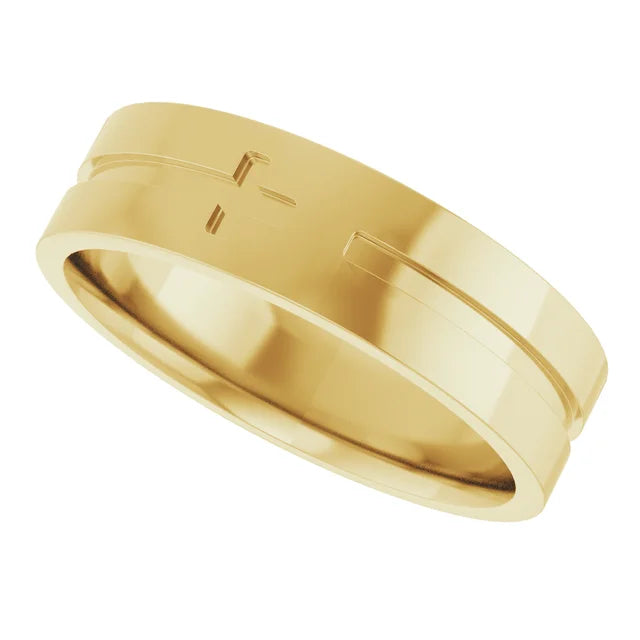
A jeweller can make far more than a wedding band for a man, including signet rings, cufflinks, bracelets, pendants, tie pins and redesigned heirloom pieces. Bespoke work also allows choices on metal, finish, engraving, stone setting and shape, which means the final piece can reflect personal style, family history or everyday wear rather than a standard catalogue design.

In This Article
- The Real Question: Beyond the Wedding Band
- Workshop Capabilities: What’s Actually Possible
- Materials and Meaning: Choosing What Matters
- Remodelling and Heirlooms: Transforming the Unworn
- Design Process: From Idea to Finished Piece
- Budget and Value: What Bespoke Really Costs
- Looking Ahead: Men’s Jewellery and Changing Tastes
The Real Question: Beyond the Wedding Band
Most people ask the wrong question first. They ask whether a man can have a bespoke wedding band, when the better question is what else a jeweller can make once you step outside the usual ideas about men’s jewellery.
That narrow view is easy to understand. Men are often shown a small, predictable set of options: a plain band, a watch, perhaps a pair of cufflinks for formal occasions. Personal expression in jewellery is treated as limited, even though the same person may care deeply about materials, symbolism and how something feels to wear every day.
Off-the-shelf pieces tend to reinforce that habit. A display case can only show what has already been made. A proper design consultation in a workshop setting opens a different conversation, one shaped by style choices, wearability and meaning instead of stock codes.
In places where jewellery is actually made, including established workshops with Hatton Garden training and a face-to-face setting such as The Pantiles, the possibilities usually turn out to be much broader than clients expected.
Workshop Capabilities: What’s Actually Possible
A true onsite workshop can make much more than a slightly altered ring.
That distinction matters. Some jewellers offer limited customisation on existing pieces, such as changing a finish or adding an engraving. Bespoke work starts earlier. The idea is developed from scratch, then made through design sketches, CAD design and hands-on metalwork by jewellery makers and goldsmiths.
For men, that can include:
- signet rings with a traditional or modern face
- custom men’s cufflinks with engraving, stone details or family references
- bracelets, pendants, tie pins and lapel pieces designed for regular wear
Surface finish changes the feel of a piece just as much as shape does. Brushed gold gives a quieter look than a high polish. Heavier edges can make a signet ring feel architectural, whereas softened lines sit more easily with everyday clothes. Gemstone setting can be subtle too, with a dark stone flush-set into metal or a small accent used as a private detail rather than a showpiece.
At The Diamond Setter, all work is created and repaired onsite in the workshop rather than sent elsewhere, which gives more room for discussion and adjustment during the process. That tends to matter most when someone wants a piece that does not sit neatly into a standard category, such as a pendant made from inherited gold or a signet ring that avoids old-school styling.
Materials and Meaning: Choosing What Matters
Material choice shapes the story as much as the design itself.
Have a design in mind? Let’s bring it to life.
Start Your Bespoke Journey
Gold often appeals because it carries warmth and familiarity, but the colour changes the mood. Yellow gold can feel rooted in family tradition. White gold reads cleaner and quieter. Rose gold can soften a bold design or bring a slightly less formal tone to a ring or bracelet.
Platinum usually feels weightier in the hand and has a restrained look that suits men who want substance without flash. Osmium, where available through specialist jewellers, speaks to clients who want something rarer and more unusual. Hallmarking also matters here, because it gives reassurance about what a piece is actually made from rather than what it appears to be.
Gemstones add another layer of meaning. One person may want a birthstone hidden inside a ring shank. Another may prefer a black or dark blue stone on the face of cufflinks for a sharper, more graphic result. A GIA-trained jeweller can guide those choices in plain language, particularly where durability and suitability for daily wear come into play.
Engraving often carries the most personal weight. Coordinates, initials, a date, a phrase used within a family, or a line that only the wearer understands can turn personalised men’s jewellery into something much closer to a private marker of identity.
Remodelling and Heirlooms: Transforming the Unworn
A drawer full of unworn jewellery often holds more potential than people realise.
Inherited pieces are frequently left untouched because they do not feel wearable as they are. A ring may be too ornate, a chain may not suit the current owner, or the original piece may carry emotional value without fitting modern style. Jewellery remodelling gives that material a new form without losing the connection to the past.
Common examples include:
- turning a family ring into a pair of cufflinks
- using inherited gold for a pendant or signet ring
- resetting a stone from an older piece into a simpler design for daily wear
This is not limited to women’s jewellery, despite the assumption many people make. An old brooch can contribute metal or stones. A signet ring from a grandfather can be reshaped into something cleaner and easier to wear. Even damaged pieces can sometimes provide usable elements for heirloom redesign, depending on their condition and construction.
The most interesting part of bespoke from old jewellery is often the shift in meaning. Instead of preserving something out of duty, the wearer ends up with an object that fits present life and still carries personal history in a visible, useful way.
Design Process: From Idea to Finished Piece
The bespoke jewellery process is usually more straightforward than people expect.
It starts with a conversation about how the piece will be worn, what references matter, and what should be avoided. Some clients arrive with a clear idea. Others only know that they want custom jewellery for men that does not look generic. Both starting points are perfectly workable.
Once the design brief is clear, sketches or CAD software help turn abstract preferences into something visible. That stage is valuable because proportion matters in men’s jewellery. A pendant that looks balanced on paper may need to be scaled down for everyday wear. A signet ring may need a slimmer shoulder or flatter face once seen from different angles.
Approvals and adjustments follow from there. One finish may look too formal. A gemstone may feel unnecessary after the design is visualised. An engraving might work better inside the piece than on the surface. Because the process is collaborative, changes happen before the final making stage, not after the piece is complete.
In an in-house workshop, those steps tend to feel more joined up. The person discussing the piece is much closer to the people making it, which reduces the gap between concept and execution. Lead times vary with design challenge, material choice and stone sourcing, yet the extra time usually reflects care in approval and making rather than delay for its own sake.
Budget and Value: What Bespoke Really Costs
Many men assume bespoke jewellery cost starts at an uncomfortable level and climbs from there.

In practice, cost depends on choices. Metal type, weight, size, stone use, finishing details and how intricate the design becomes all affect the final figure. A clean gold signet ring with engraving will sit in a very different budget range from a heavier platinum piece with custom stone setting and several design revisions.
Direct workshop creation also changes the value equation. When a piece is commissioned through the people who will actually make it, the budget can be directed into the design, materials and labour that matter most to the wearer. That approach often makes custom design feel more flexible than expected, especially for someone comparing it with heavily marked-up retail stock.
Aftercare belongs in that conversation too. Lifetime service support, where offered, gives practical value because jewellery is worn, knocked and occasionally needs attention over time. A piece that can be cleaned, checked, resized or repaired by the same workshop that made it carries a different kind of reassurance from something bought anonymously and sent away if anything goes wrong.
Looking Ahead: Men’s Jewellery and Changing Tastes
Men’s jewellery is becoming more personal, less rule-bound and more locally made.
One noticeable shift is the move away from single-purpose pieces. Clients are looking for jewellery that works with daily clothes, carries private meaning and avoids the old split between formal and casual. Signet rings are being pared back. Pendants are getting simpler. Cufflinks are increasingly treated as commemorative pieces rather than occasional accessories pulled out for weddings alone.
Another change is greater interest in provenance. Over the next 12 to 24 months, questions about material origin, durability, remodelling potential and workshop transparency are likely to matter more, particularly as buyers become more selective about what they own and wear. Local workshops that can explain how a piece is designed, made and maintained are well placed for that shift.
What is changing fastest is not the jewellery itself but the attitude around it. Men’s bespoke jewellery is moving away from fixed categories and toward individual use, which means the most relevant question in the near future may be less about what men are supposed to wear and more about what they want to keep wearing for years.
Curious what is possible? Just ask.
Get in Touch
Leave a comment