


6 min read
Does a record gold price mean it is automatically the best moment to remodel old jewellery?
No. A high gold price can affect the material value of an old ring, chain, or bracelet, but remodelling is rarely driven by the gold price alone. The right time usually depends more on whether the piece is unworn, sentimental, structurally sound, and suitable for a new design than on whatever the gold price today happens to be.

In This Article
- The Unexpected Truth About Gold’s Record Highs
- The Real Value in Remodelling: Beyond the Gold Weight
- The Impact of Onsite Workshops: Why Where Work Happens Matters
- The Process Unpacked: Why Remodelling Is More Flexible Than You Think
- The Misconception That Holds People Back: Why Waiting for the ‘Perfect’ Gold Price Misses the Point
The Unexpected Truth About Gold’s Record Highs
A woman brings in an inherited gold ring, having seen headlines about record highs, and expects the number on the news to settle her decision. Then she learns that remodelling is not simply a question of gold price per gram. The surprise is common.
Market headlines tend to flatten everything into one simple idea: gold is up, therefore old jewellery must suddenly be worth far more. Real jewellery decisions are less tidy. A finished piece carries metal, stones, design limitations, wear, repairs from previous decades, and often sentimental worth that no bullion chart can reflect.
Even the benchmark prices associated with bodies such as the London Bullion Market Association relate to raw gold markets, not to the lived reality of a ring that has been resized three times or a bracelet with damaged links. Hallmarking standards tell you about the purity of the metal. They do not tell you whether a design is still practical, flattering, or meaningful for the person who owns it.
That gap matters. Someone looking at selling for scrap will think about intrinsic value in one way. Someone thinking about remodelling gold jewellery is making a different choice entirely, because the aim is to turn something dormant into something wearable again. Most articles stop at the headline price and never get to that distinction.
The Real Value in Remodelling: Beyond the Gold Weight
Old jewellery often sits in a box for years because it feels too important to throw away and too dated to wear. Remodelling gives that piece another life, which means that the decision becomes personal before it becomes numerical.

A redesign can take several forms:
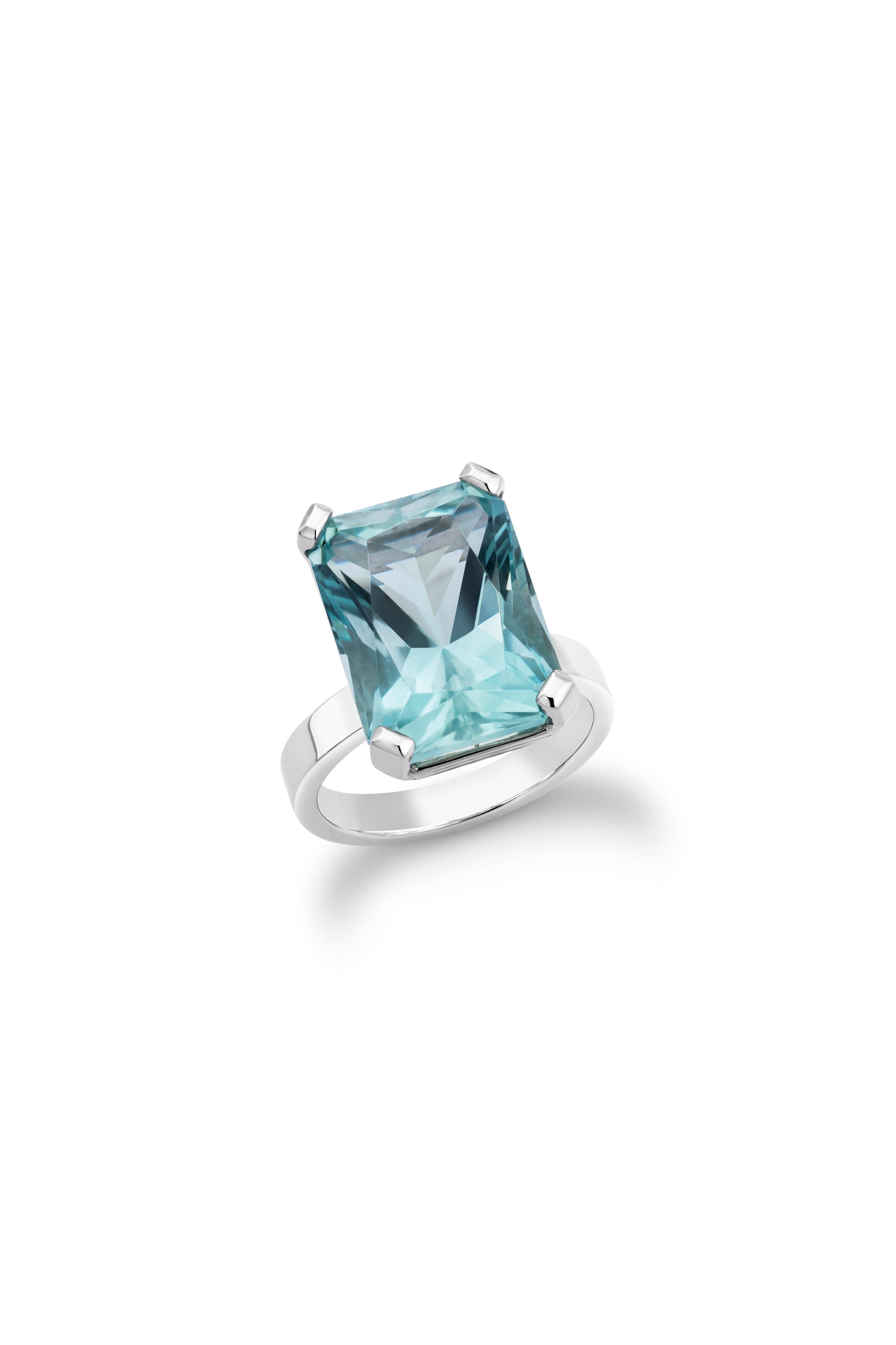
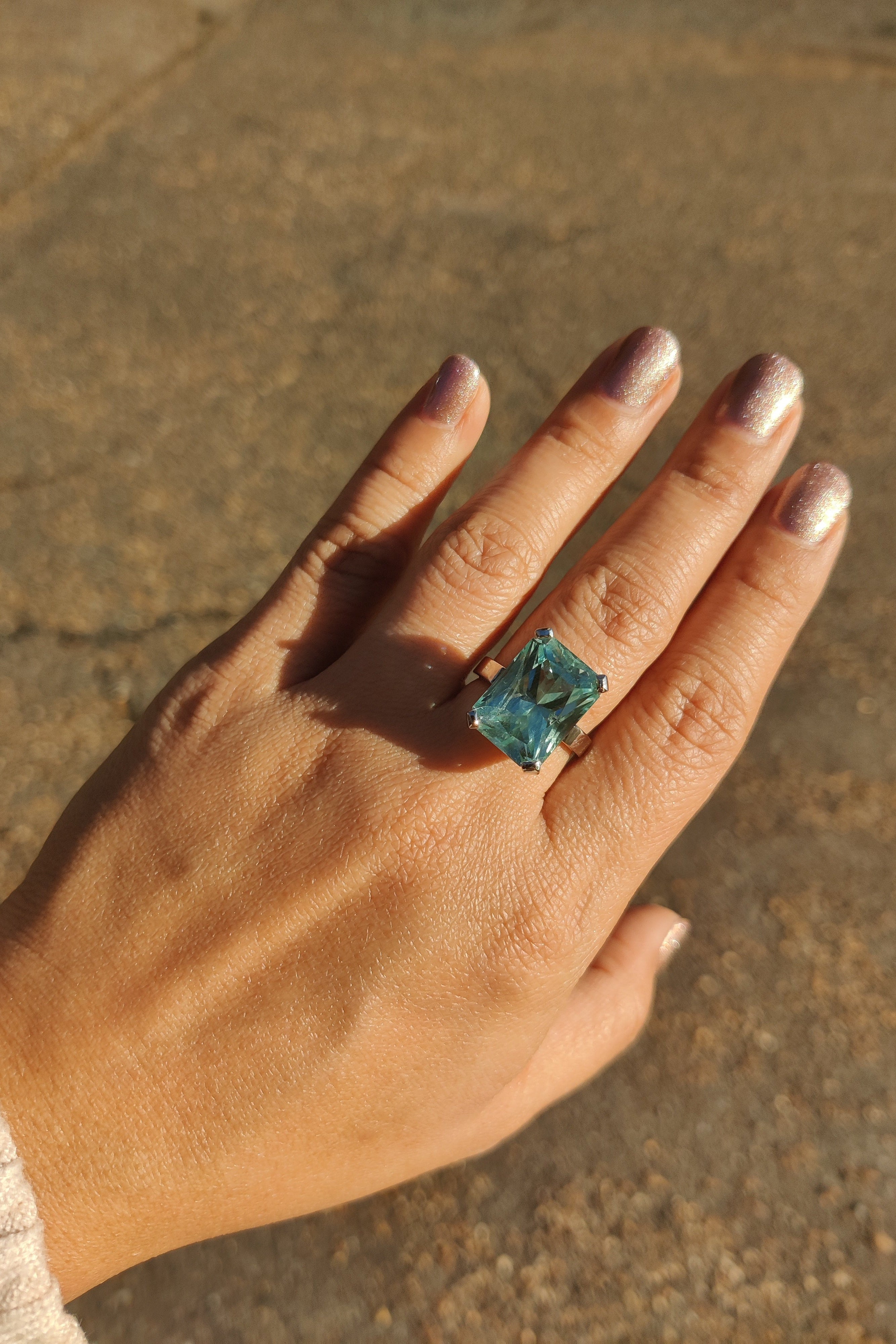
- An heirloom ring can become a pendant or a new ring that suits modern wear.
- Several small unworn pieces can be combined into one simpler design.
- A sentimental piece can be adjusted so that its original character stays visible.
Skilled goldsmiths look at much more than metal weight. They consider shape, wearability, stone setting, finger coverage, durability, and whether the original gold can be reused in a sensible way. Sometimes the best result keeps a strong link to the original piece. On other occasions, a full bespoke jewellery redesign gives the jewellery a clearer future.
Sentimental jewellery has its own logic. A grandmother’s ring may have modest scrap value, yet immense family meaning. Turning it into something that is worn weekly instead of stored indefinitely can feel more valuable than preserving it unchanged in a drawer.
At a workshop with in-house design and making, that conversation tends to be more grounded. You can discuss heirloom remodelling, CAD design, and practical wear with the people actually doing the work, instead of treating the piece as a set of interchangeable materials. That is often the moment when the real purpose of remodelling old jewellery comes into focus.
The Impact of Onsite Workshops: Why Where Work Happens Matters
Where the work happens changes the entire experience.
Have a design in mind? Let’s bring it to life.
Start Your Bespoke JourneyMany people assume jewellery is automatically sent away. In practice, an onsite jewellery workshop offers a very different level of visibility. You can discuss what can be reused, what needs rebuilding, and what should be left alone with a jeweller who can assess the piece directly.
An outsourced model usually adds distance between the owner and the person making decisions at the bench. An in-house jewellery remodelling process keeps those conversations closer to the object itself. If a clasp is weaker than expected, if a shank is too thin to reuse, or if a stone setting needs altering, those details can be addressed in context.
At The Pantiles in Tunbridge Wells, The Diamond Setter works from an onsite workshop rather than treating remodelling as something that disappears elsewhere. That matters for reassurance as much as workmanship, especially for anyone handing over family jewellery for the first time.
Training and credentials matter too, but readers often miss the practical effect. Hatton Garden training and gemmological knowledge are reassuring on paper. Face-to-face explanation is what turns that expertise into trust, especially when a customer is unsure whether an old piece is suitable for remodelling or better left as it is.
The Process Unpacked: Why Remodelling Is More Flexible Than You Think
Many people picture remodelling as a grand bespoke project with a fixed look and an uncomfortable price. The reality is usually more adaptable.

A simple redesign might involve reshaping a ring, resetting an existing stone, or refining a heavy old setting into something cleaner. A more involved project could reuse part of the original gold, add new metal where needed, and build an entirely different design around the stones. Both count as remodelling. Both start with the same basic question: what do you want this piece to become?
The process often moves through a few clear stages.
- The jewellery is assessed for condition, metal purity, and design potential.
- The owner talks through style, wear habits, and what they want to preserve.
- A design is developed, sometimes with CAD design, to show proportion and detail before making begins.
That structure sounds formal, yet the experience is usually collaborative. If the original piece has enough usable material, reusing old gold can form part of the plan. If it does not, a good workshop will explain why without making the client feel they should have known already.
Budget flexibility often surprises people as well. Remodelling is not one fixed category. Some projects are subtle and restrained. Others are complete transformations. What matters is that the design suits the jewellery, the wearer, and the budget, instead of forcing all three into the same template. A worn signet ring, incidentally, may call for very different decisions from a delicate claw-set heirloom ring.
The Misconception That Holds People Back: Why Waiting for the ‘Perfect’ Gold Price Misses the Point
Waiting for the perfect gold price is usually the wrong frame for a remodelling decision.
A person who is selling scrap may watch gold market trends closely. A person who wants to wear an inherited chain, reset a dated ring, or turn a forgotten brooch into something useful is dealing with a different kind of value. Market timing does not decide whether the jewellery suits their life now.
Gold price indices move. Personal hesitation tends to linger much longer. A piece can spend another year unworn because its owner is waiting for an ideal moment that never feels quite confirmed, even though the real issue is that they already know they want it changed.
The common misconception is that remodelling only makes sense when the gold market reaches exactly the right peak. In truth, remodelling makes sense when an old piece has stopped serving its purpose and can become something you would actually wear. That is the part many people miss, and they are usually glad once they stop assuming otherwise.
Curious what is possible? Just ask.
Get in Touch
Leave a comment