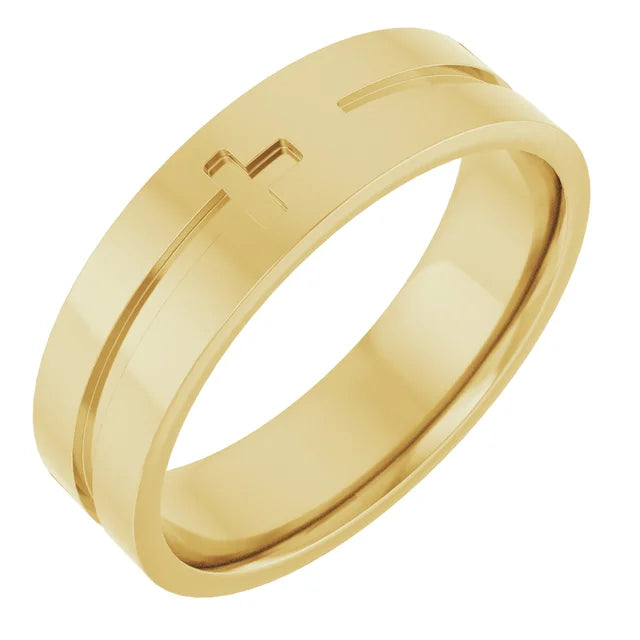


What should couples expect to pay for wedding rings in the UK, and what affects the price?
Wedding ring costs in the UK can vary widely, with prices shaped by the choice of metal, design, and how the ring is made. Couples often spend anywhere from a few hundred pounds to several thousand, depending on personal preference and budget.

Understanding the Range: Typical Wedding Ring Costs in the UK
Wedding ring prices in the UK present a broad spectrum. For some, a simple band might be the ideal choice, while others prefer something more detailed or set with diamonds. This means there is no single "average" cost for wedding rings, and every couple's priorities are different.
To give a sense of the range found at local jewellers and larger retailers, here are some general price brackets:
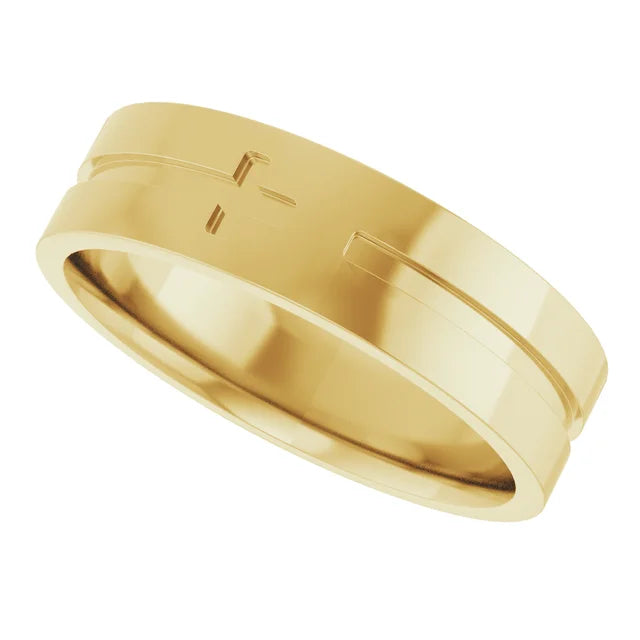
- Plain bands (gold or platinum): £500 to £2,000
- Diamond or gemstone-set bands: £1,000 to £5,000 or more
- Bespoke rings: From £1,000, with flexibility depending on design and materials
It is important to remember that these figures are not fixed rules. The final price depends on many choices, and bespoke does not automatically mean a higher cost.
Another common misconception is that local, independent jewellers are always pricier than chain stores. In practice, workshops often deliver better value. Onsite creation reduces retail mark-up and provides more control over materials and design.
The best approach is to view these numbers as a starting point. Personal preference, style, and the story behind the ring all play a role in shaping the final cost.

What Changes the Price? The Key Factors Explained
Several elements combine to influence a wedding ring's cost. Understanding these can help couples find the best value for their priorities.
1. Metal Choice — Gold (yellow, white, or rose) and platinum are the most common metals, each with its own price point. Platinum usually costs more due to its density and rarity, while different carat levels of gold (such as 9ct or 18ct) come with their own cost differences.
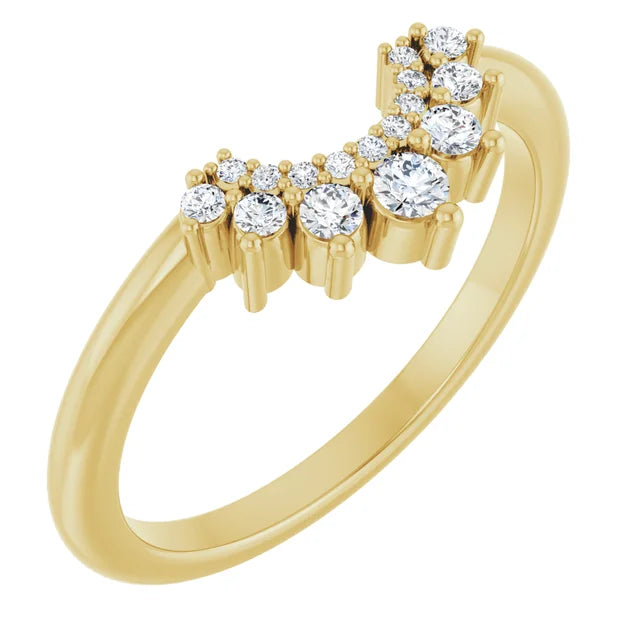
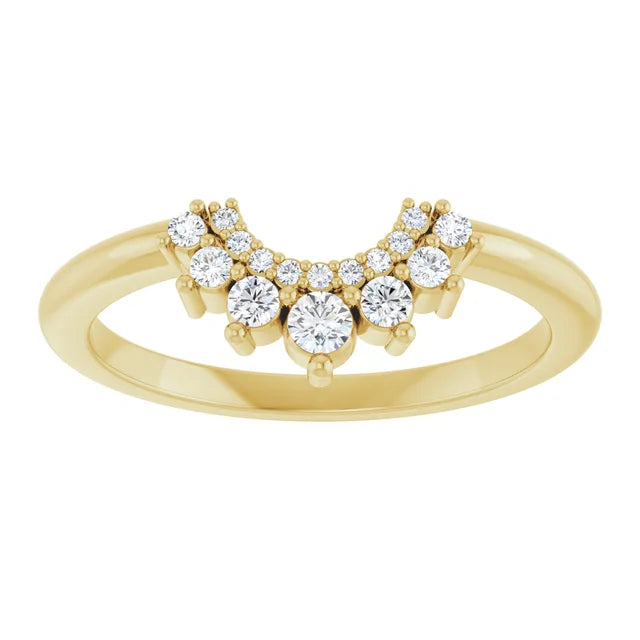
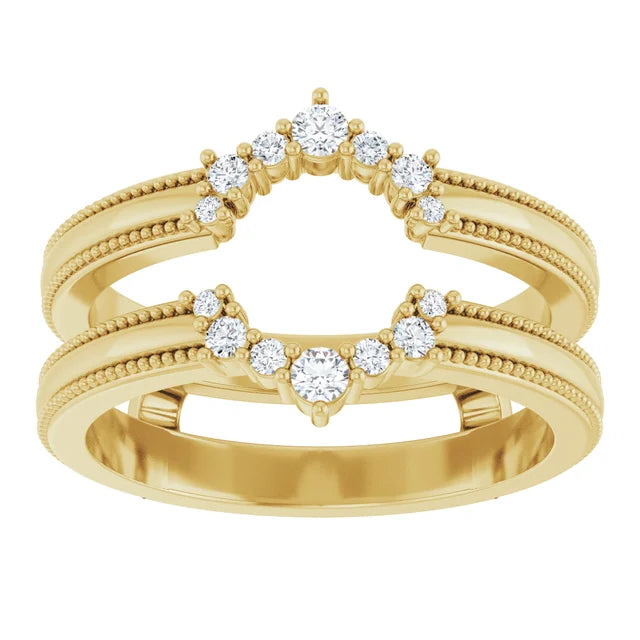
2. Stones and Settings — Plain bands are typically less expensive than those set with diamonds or gemstones. The number, size, and quality of stones make a marked impact on price. Settings that require more skilled labour, such as a pavé or channel style, can also add to the cost.
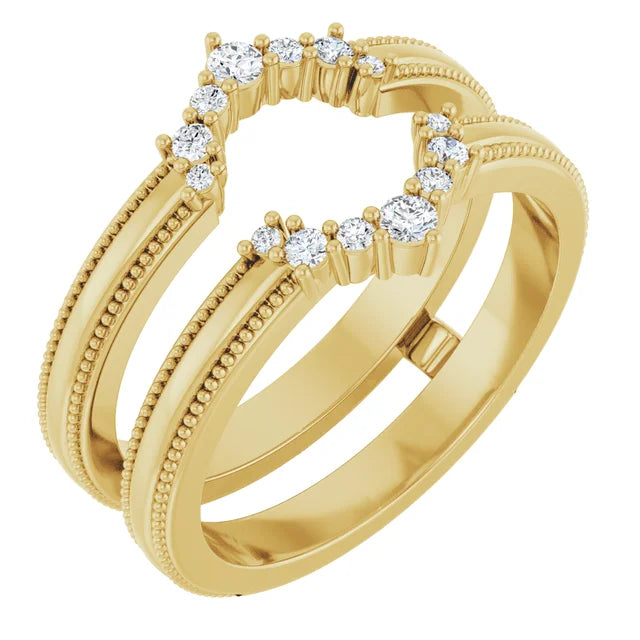
3. Design Challenge — A simple, classic band is often the most budget-friendly. Intricate patterns, personal engravings, or shaped rings that fit around an engagement ring may increase the price.
4. Workshop Creation vs. Mass Production — Rings crafted in an onsite workshop, such as The Diamond Setter's, are made to order with careful attention. This hands-on approach often removes hidden costs associated with retail mark-up and mass production. Couples can see the process first-hand and make choices that fit their needs.
5. Certification and Quality Standards — Some rings, especially those with diamonds, come with GIA or other certification. Higher grades for colour, clarity, and cut can drive up the cost, but they also provide reassurance about quality.
Each of these factors provides opportunities for conversation with a jeweller. Couples can often adjust one or two elements to stay within budget, without sacrificing personal meaning or style.

Bespoke vs. Off-the-Shelf: Is Custom More Expensive?
Many couples wonder if bespoke wedding rings are out of reach. In reality, having a ring custom made does not always mean it will be more expensive than buying off-the-shelf. What matters is the approach taken and the choices made throughout the process.
Consider these distinctions:
| Option | Flexibility | Personal Fit | Price Range | Process |
|---|---|---|---|---|
| Off-the-Shelf | Limited | Standard | Entry-level to luxury | Quick purchase, little customisation |
| Bespoke (Custom) | High | Made to you | Flexible, guided by you | Personal consultation, design input, matched sets possible |
Through The Diamond Setter's onsite workshop in the UK, couples can be part of the design process. Personal consultations guide them through each choice, with CAD design enabling a preview before anything is made.
Bespoke is as much about the fit and meaning as it is about the design. For some, the ability to match an engagement ring or include a personal detail justifies a custom piece. Price can be managed by selecting materials and simplifying details as needed.
Both options have a place, so it often comes down to which style and process best align with the couple's story.

How Metal Choice Affects Price and Longevity
Selecting the right metal is about appearance — it shapes both price and how the ring looks over time. The selection deserves careful consideration.
Gold Bands (9ct and 18ct) — Gold remains a popular choice in yellow, white, or rose tones. 9ct gold is less pure, making it more affordable and durable for everyday wear. 18ct gold contains more pure gold, which gives it a warmer colour, but it is softer and typically higher in price.
Platinum Bands — Platinum's cool tone and heavyweight feel give it a premium reputation. Its natural whiteness resists fading and it is highly durable, which suits those with active lifestyles. Allergic reactions are rare. The price per gram is higher but may suit those seeking longevity.
The decision often comes down to intended lifestyle and personal style preferences. For example, someone who works with their hands may appreciate platinum's resilience, while gold offers more flexibility in colour and price.
A quick checklist for metal choice:
- Consider day-to-day wear and activities
- Think about colour preference
- Ask about potential allergies
- Balance upfront price with expected lifetime
A jeweller can guide you through these decisions, ensuring your ring feels right from the start and wears beautifully for years to come.

Diamonds, Gemstones, and Setting Styles: Their Impact on Cost
The addition of diamonds or gemstones can create a distinctive wedding ring, but each choice brings its own considerations for price and style.
Diamonds and the 4Cs — Diamond prices are determined by carat, clarity, cut, and colour. A larger stone will be costlier, but two stones of the same carat can differ greatly in price depending on clarity and colour. GIA certification assures buyers of the independent grading and quality.
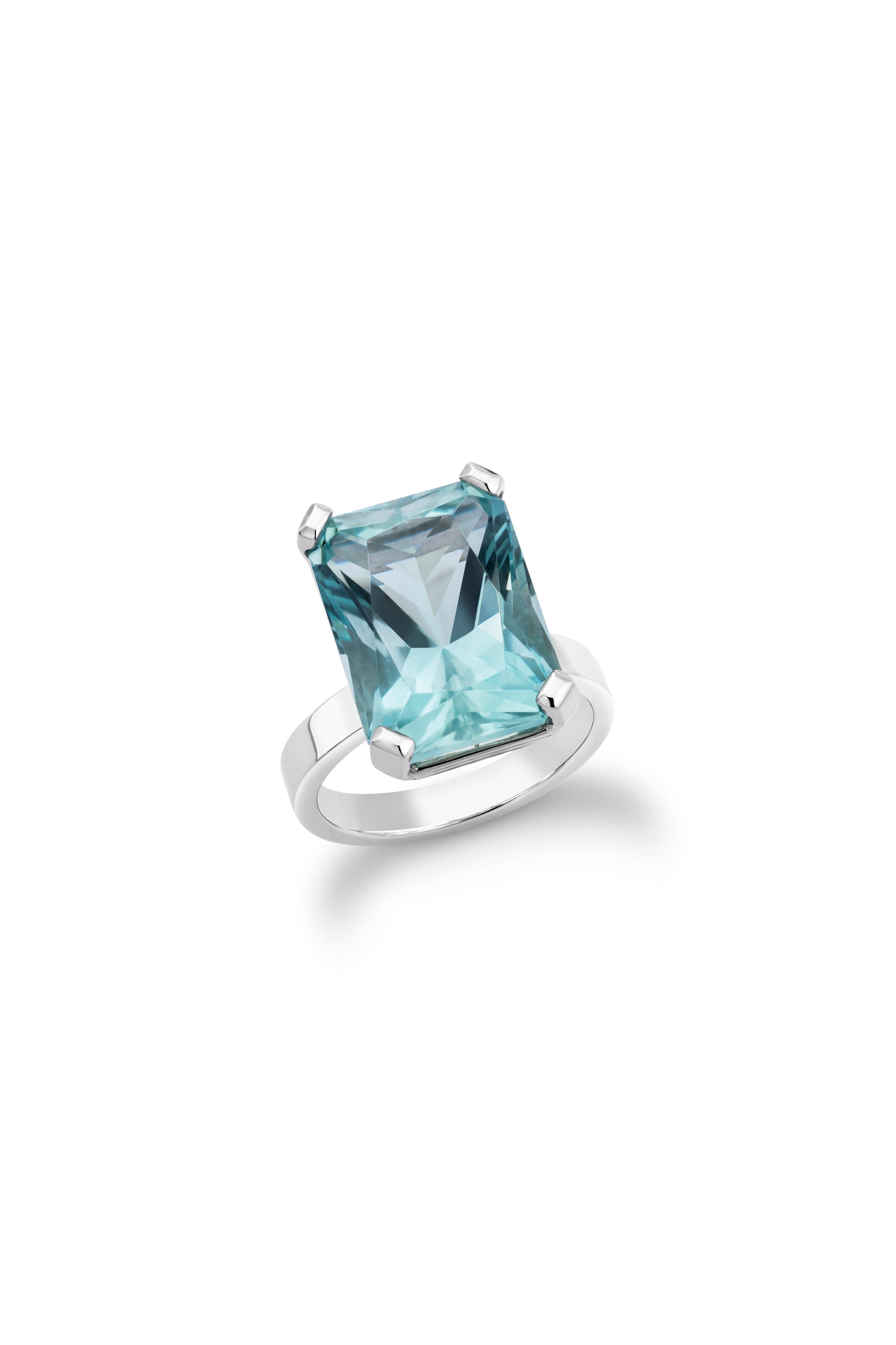
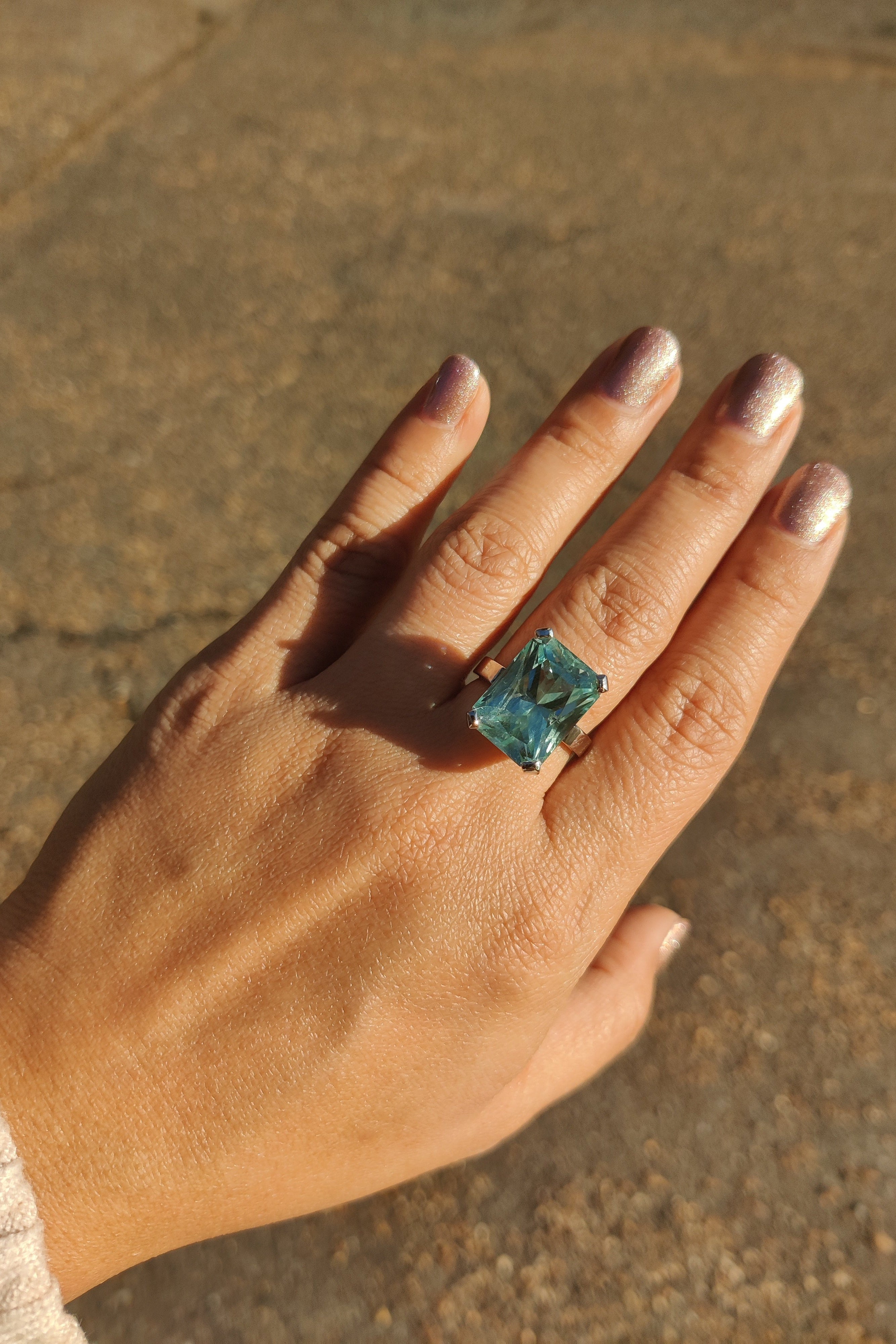
Gemstones — Alternatives to diamonds, such as sapphires or rubies, come in a range of colours and budgets. Some gemstones, while more affordable, may require more care, so it is useful to ask about durability if the ring will be worn every day.
Setting Styles — From classic claw settings to channel, bezel, or full eternity bands, the way stones are set shapes both look and price. Settings with more stones or complex layouts require additional craftsmanship, which can influence the budget.
A simple, unadorned band is timeless and often the most economical. An eternity or pavé band offers more sparkle, with a corresponding jump in cost due to extra stones and labour.
By discussing these options openly, couples can make informed choices. Adjusting elements such as diamond size, gemstone alternatives, or setting style often leads to the right balance of style and spend.
Remodelling Heirloom Jewellery: A Cost-Smart Alternative
Many couples do not realise that inherited or unworn jewellery can often be transformed into wedding rings with unique meaning. Remodelling offers a creative way to honour family pieces while keeping costs manageable.
Imagine reshaping a grandparent's band to fit both your style and your story. The Diamond Setter's in-house workshop specialises in these thoughtful redesigns, working closely with clients to plan and carry out each transformation.
The step-by-step process typically involves:
- Initial consultation to discuss ideas and assess materials
- Design proposal using the original gold or gemstones
- Expert crafting and adjustment to fit preferences
- A finished ring that carries both new and old meaning
Remodelling is not just about saving money. It gives new life to family heirlooms, creating a wedding ring with more detailed sentiment. This option is worth considering for anyone looking to blend tradition, sustainability, and individuality.
Making the Right Choice: Budgeting and Next Steps
Setting a budget for wedding rings should feel helpful rather than overwhelming. There is no single "right" amount, just the figure that feels comfortable for your circumstances.
Here are a few approachable tips:
- Identify a total spend that feels sensible, allowing room for design tweaks
- Talk openly about preferences — do you prioritise diamonds, materials, or design?
- Factor in potential remodelling or matching requirements
- Seek advice from a jeweller about where to save or spend for the best result
The next step to finding your wedding rings is simply starting the conversation. At The Diamond Setter's showroom in Kent, you will find a friendly, no-obligation environment where your ideas take centre stage. Appointments are available both face-to-face or via video call, giving you space to explore your options in your own time.
Begin with a conversation, not a commitment. Book a consultation and see what is possible when your jeweller listens first.

Leave a comment