


What are the differences between comfort fit, court, and D-shape wedding bands?
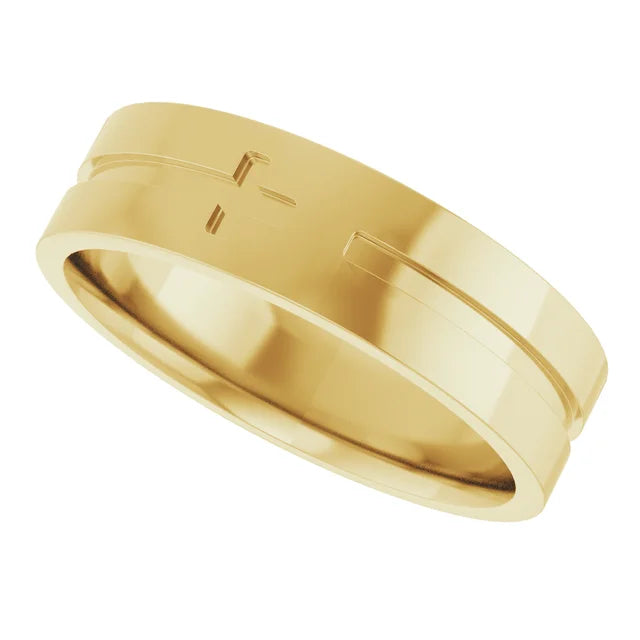
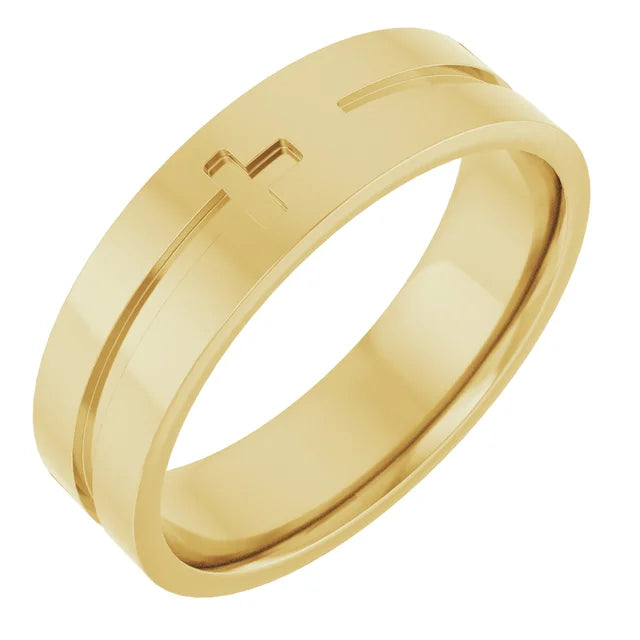
These three wedding band profiles, comfort fit, court, and D-shape, describe the way a ring feels and looks on your finger. Comfort fit bands have a gently curved interior, court shapes feature both curved inner and outer surfaces, and D-shape bands have a flat inner surface with a domed outer contour. Each profile affects comfort for all-day wear but also a ring's overall visual style and how it moves with your hand.
Understanding Wedding Band Profiles: Comfort Fit, Court, and D-Shape
Choosing a wedding band often begins with questions about size, metal, or diamond setting. However, the shape, or "profile", of your band can be just as important for lasting comfort.
Here is a clear look at the three main profiles you are likely to encounter at a trusted jewellery workshop like The Diamond Setter:
| Profile | Cross-Section Shape | How It Feels on the Finger |
|---|---|---|
| Comfort Fit | Rounded inside, gently domed | Smooth, glides on easily, less friction day-to-day |
| Court | Both inside and outside curved | Classic, balanced, hugs the finger comfortably |
| D-Shape | Flat inside, domed outside | Sleek, low profile, feels close-fitting |
Many people only learn these terms when they visit a jeweller, and profile can be a source of confusion. Some assume "comfort fit" is always best, while others are drawn to tradition or a slimmer style. At The Diamond Setter, these options are fully explained during bespoke consultations. Profile choice blends personal preference with practical factors such as how the ring will sit beside an engagement band or fit an active lifestyle.

1. Comfort Fit: The Modern Standard for Everyday Ease
Imagine slipping on a band that feels as gentle as silk against your skin. That sensation comes from a comfort fit wedding band. Its inside surface is smoothly rounded, allowing the ring to glide on and off the finger effortlessly.
Jewellery makers achieve this by curving the inner surface using traditional techniques, often finished by hand in the in-house workshop. The result is a profile especially appreciated by those who want a ring that adapts to changes in finger size throughout the seasons or is easy to remove.
Key benefits of comfort fit bands:
- Rounded interior makes the band feel lighter and reduces pressure
- Moves with your hand for long-term comfort, even during daily tasks
- Particularly well suited for rings that are slightly wider or heavier
- Flexible in sizing, providing reassurance for those concerned about future adjustments
Some think a comfort fit means the ring will feel bulky, but modern designs avoid excess thickness while retaining a generous, tactile feel. At The Diamond Setter, clients often customise their comfort fit band, choosing width, metal, or the subtleties of the interior curve, to achieve the perfect balance for their hand and lifestyle.

2. Court Shape: The Timeless Classic
The court shape wedding band is regarded as the archetype of tradition. For many, this profile echoes the same band shape their parents or grandparents wore, making it a powerful symbol of continuity.
What sets the court shape apart is its double curve — both the inner and outer surfaces are softly rounded. This combination gives a flattering, pillowy appearance from every angle while resting smoothly against the skin.
People who cherish the ceremony of marriage often find themselves drawn to the court shape, appreciating its balance of classic style and understated comfort. The profile's enduring popularity is partly thanks to its practical appeal — a court band feels equally good in your twenties as it does decades later.
Picture a couple renewing vows after forty years, their court bands still shining and comfortable. This is the staying power of a design that has graced generations. The Diamond Setter has guided countless clients in the UK toward court profiles, often creating bespoke versions that subtly update the classic for a new era.

3. D-Shape: The Sleek, Subtle Contender
D-shape bands are defined by their flat inside and domed outer contour. This gives them a slim, discreet edge and a clean feel against the finger.
Main features of D-shape bands:
- Flat interior creates a close fit, hugging the finger snugly
- Domed outer surface lends an elegant, streamlined profile
- Often chosen by those who prefer minimalism or need a band to sit flush with another
- Traditionally a go-to for slimmer or lighter-weight rings
Some may wonder if a flatter inside feels less comfortable, but many find the D-shape pleasantly secure, especially when remodelling vintage pieces or seeking a ring that feels subtle. A recent project at The Diamond Setter involved transforming an heirloom gold ring from a client in Kent, reshaping it into a modern D-shape band while preserving sentimental value.
The D-shape's understated style can appeal to those who want a wedding band that quietly complements their day-to-day look — lightweight, easy to wear, and distinctly refined.

How to Choose: Matching Profile to Lifestyle and Personal Taste
Faced with these choices, many wonder which profile truly fits them best. The most reassuring answer is that there are no wrong decisions, only the option that feels right for you.
To make a confident choice, consider these steps:
- Think about your daily activities. Are your hands often busy, or is comfort important for long stretches?
- Try on different band profiles at a jewellery consultation. Notice the difference in how each fits and moves with your hand.
- Talk openly about aesthetics. Would you like a traditional look, something sleek and modern, or a bespoke shape that blends both?
- Discuss any worries, such as needing easy resizing or pairing with existing jewellery.
- Remember, a no-obligation appointment at The Pantiles or by video lets you explore all options without pressure.
Each profile offers comfort and beauty in its own way. The best approach is hands-on — trying, feeling, and deciding with the help of a jeweller who listens.

The Diamond Setter Difference: Crafting Your Wedding Band Onsite in Kent
At The Diamond Setter, every wedding band is handcrafted onsite at the UK workshop. This means the person guiding your consultation is part of the team making your ring, not someone sending your commission elsewhere.
Clients value working directly with a jeweller who has GIA certification and the owner's decades of Hatton Garden experience. Each step, from shaping the profile to adding personal touches, takes place in-house with careful care.
A typical client story might begin in the showroom, where couples handle sample bands and discuss options for matching their engagement ring or reimagining a family piece. Knowing that everything is created locally in Tunbridge Wells assures peace of mind and trust, qualities that have won The Diamond Setter awards but also heartfelt recommendations across Kent and East Sussex.
Lifetime care and a commitment to individual service define the experience, allowing every band to reflect the wearer's story.
Next Steps: Book a No-Obligation Appointment
Ready to see which profile feels best for you? Reaching out is simple.
- Book an appointment at The Diamond Setter, either in the Kent showroom or by video call.
- During your consultation, try on different ring shapes, explore materials, and get expert advice — without obligation.
- Relax, ask all your questions, and take your time deciding.
You can start the process with no pressure, at your own pace. The right wedding band begins with a conversation tailored to your style and comfort.

Leave a comment