
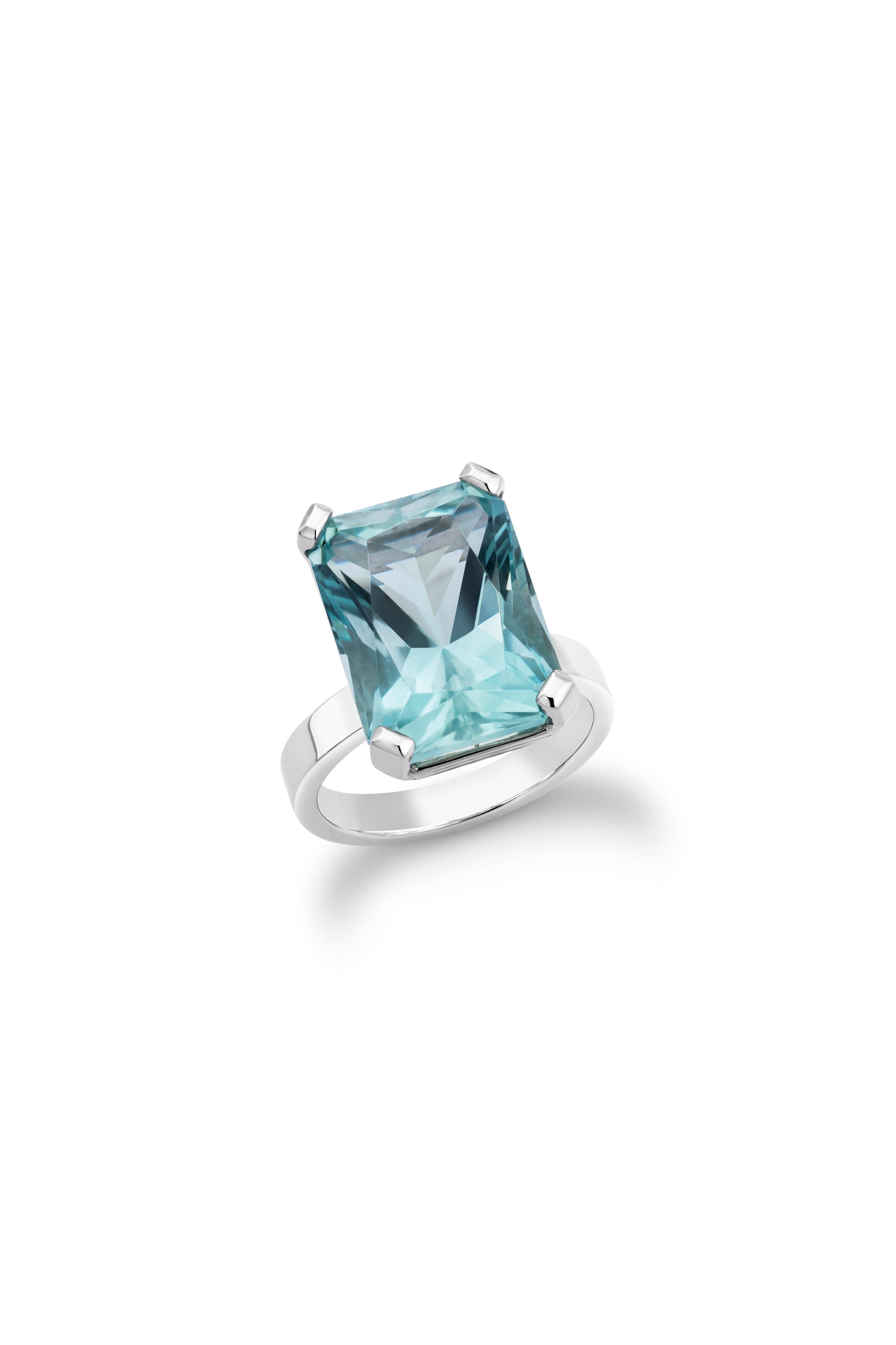
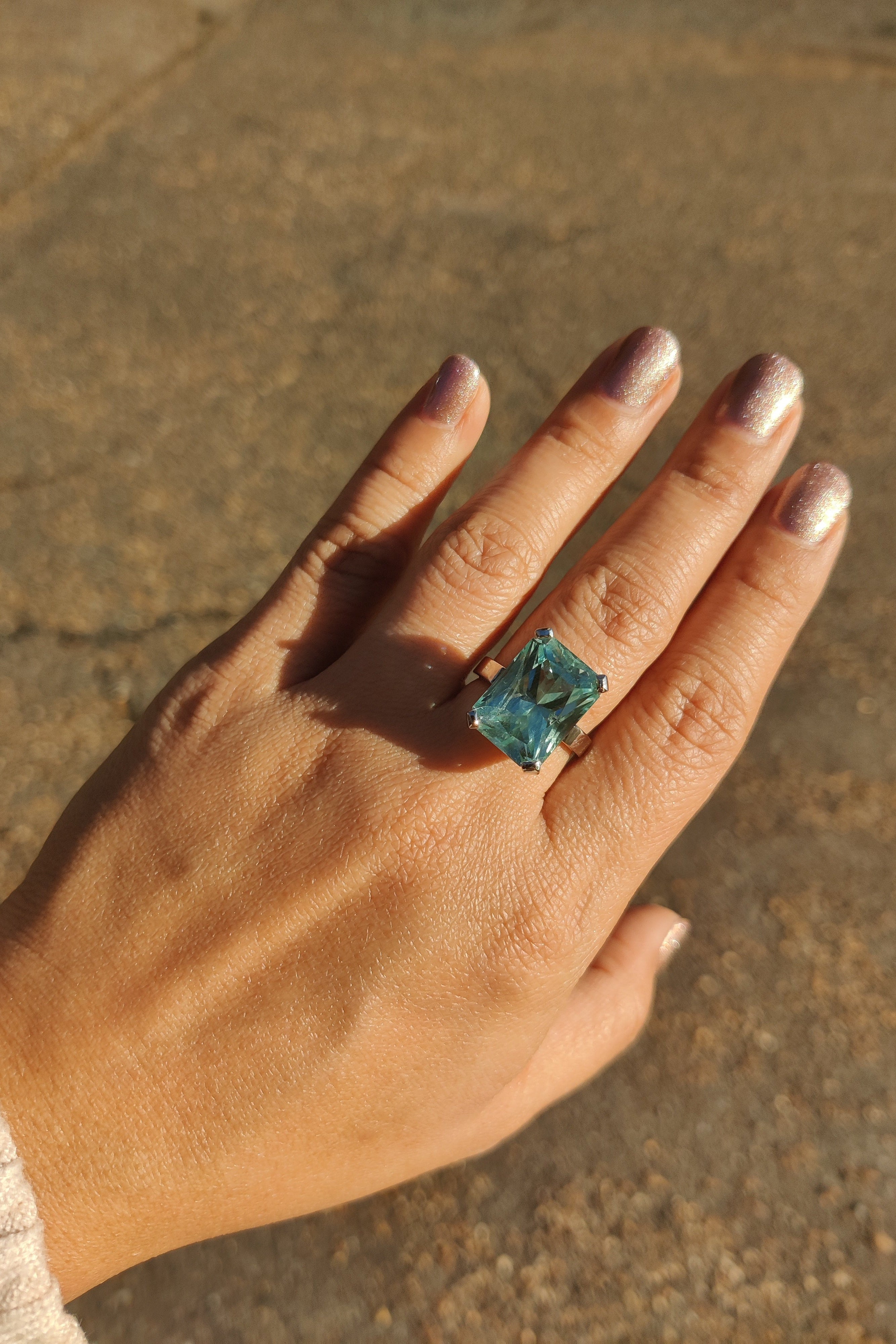
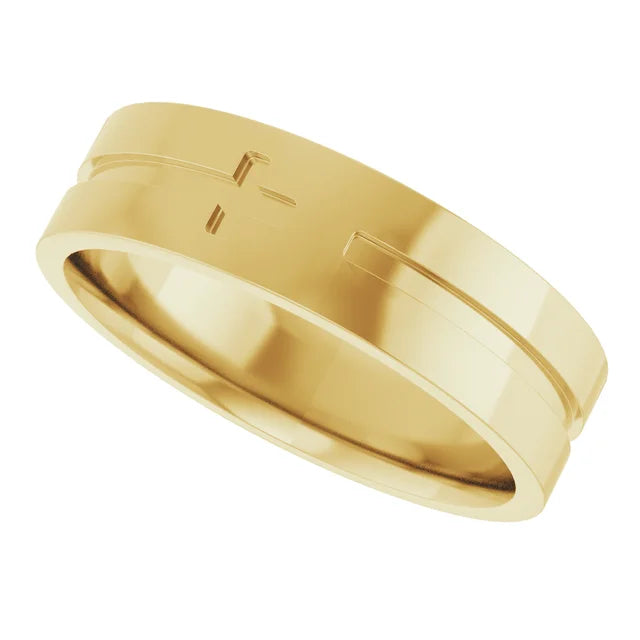
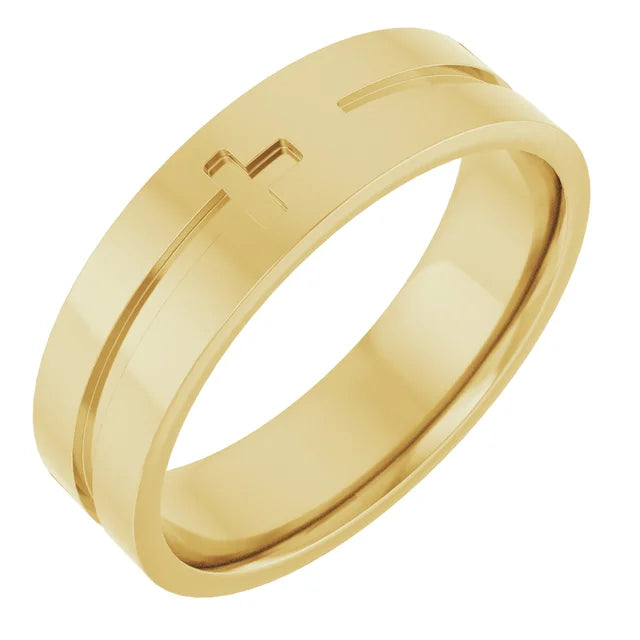


How can you clean your engagement ring at home safely without harming the stones?
You can clean most engagement rings at home with lukewarm water, a small amount of mild soap, a very soft brush, careful rinsing, and a lint-free cloth. Safety depends on knowing what stones and metal your ring contains first, avoiding abrasive or acidic cleaners, and stopping if you notice any looseness, wear, or damage.
Recognise Why Everyday Habits Make Rings Dull Fast
Your ring can look cloudy long before anything is actually wrong with it. A piece that once caught the light sharply can start to seem flat after a few ordinary weeks of wear, simply because daily life leaves behind more residue than most people realise.
Hand cream is a common culprit. Soap can leave a thin film as well, especially if your water is hard. Cooking oils, sunscreen, hair products, and even dust from gardening can cling to the underside of a stone, where the change is harder to spot until the sparkle has already gone.
What you see on the surface is only part of the story. Buildup often collects around the setting, under the centre stone, and along tiny edges that are difficult to reach with a quick rinse. That is one reason a ring can look dull even when it seems clean at first glance.
Daily wear also brings light abrasion over time. Tiny particles in dust and grit can leave faint marks on metal, and greasy film can trap more dirt against the ring. Jewellery workshops and gemmologists see this pattern constantly because neglect tends to compound quietly, especially on pieces worn every day.
Identify Stones and Metals Before You Start
Pause before you clean anything.
A diamond ring, a sapphire ring, and an emerald ring may all look sturdy in the hand, yet they do not always respond to the same cleaning method. Stone hardness matters, but so do treatments, inclusions, and the way the stone is set. A hard gemstone is not automatically safe with every cleaner.
Metal matters too. Gold and platinum are both popular choices for engagement rings, though they wear differently and show marks in different ways. White gold may also have plating that needs a gentler approach than many people expect.
If you are unsure what your ring contains, do not guess. Older family rings, remodelled pieces, and inherited jewellery can include stones that are easy to misidentify at home. A jeweller or a GIA-trained gemmologist can confirm the materials far more reliably than a visual check alone.
A few distinctions are worth keeping in mind:
- Diamonds and sapphires usually cope well with mild soap and gentle brushing if the setting is sound.
- Emeralds and some other precious stones can be more sensitive because internal features or treatments may react badly to soaking, heat, or strong solutions.
- Platinum and gold both clean well with simple care, but aggressive scrubbing can mark polished surfaces and wear down finer details.
Avoid Common DIY Cleaning Mistakes That Cause Damage
Popular home hacks often cause the very problems people are trying to fix. Toothpaste is a good example because it feels gentle on the finger, yet it can scratch metal and leave residue in awkward corners.
Baking soda creates a similar risk. The texture is abrasive, which means that repeated use can dull polished surfaces and wear at finer settings. A ring may look cleaner in the short term, but the finish can suffer.
Household cleaners are another problem area. Bleach, bathroom sprays, and multi-purpose liquids can react badly with metals or leave deposits around the stone. Vinegar also gets recommended far too often, even though acidic solutions are a poor choice for many rings.
Heat deserves caution as well. Very hot water can stress some stones, and sudden temperature changes are never wise with jewellery that may already have tiny weaknesses. An ultrasonic machine bought for home use can also be risky if the ring has loose prongs, older settings, or stones that are not suited to vibration.
Even the cloth or brush matters. A rough paper towel, a stiff toothbrush, or a scouring pad can create surface scratching that no amount of extra cleaning will undo. Jewellery repair workshops spend a lot of time correcting damage caused by products that were marketed as quick fixes.
Use Simple, Proven At-Home Cleaning Methods
The safest method is usually the simplest one.
Start by filling a small bowl with lukewarm water and adding a little mild soap. Choose a plain washing-up liquid without harsh additives, strong degreasers, or moisturising agents if possible. Place the ring in the water for a short soak so residue can begin to loosen.
Next, use a very soft-bristled brush to clean around the stone and setting. Move gently and keep your focus on areas where film collects, especially beneath the centre stone and around the claws or bezel. Gentle means light pressure, slow movement, and no scrubbing that bends the setting or drags grit across the metal.
After that, rinse the ring with clean lukewarm water. It is sensible to do this over a bowl, not directly above an open plughole. Dry the ring with a soft, lint-free cloth and let it air dry fully before putting it back on.
Professional cleaning can go further because in-house workshops have specialist tools and inspection methods, but good everyday ring cleaning at home does not need gadgets or complicated products. Used carefully, this method is often enough to remove home buildup on jewellery and restore much of the original brightness.
Check Settings and Stones for Issues as You Clean
Cleaning gives you a rare close look at the ring.
As you dry it, look closely at the setting under good light. Dirt can make a stone seem cloudy, but a worn claw or a gap near the setting points to a structural issue instead. Those two situations need very different responses.
Run your eye around each prong and check whether they look even and secure. If one appears thinner, bent, or lifted compared with the others, stop cleaning and avoid wearing the ring until it has been assessed properly. A small weakness can become a missing stone without much warning.
You can also watch for movement. Hold the ring near your ear and tap it very lightly with a fingernail only if you are confident doing so gently. Any sound or shift from the stone is a sign to leave it alone and seek professional advice, because loose stone checks are about noticing change, not pushing the setting further.
Surface marks are common with daily wear. Stone movement, worn prongs, or cracks are different matters entirely, and they should never be treated as ordinary dirt.

Know When to Seek Professional Help and Why It Matters
Home care has limits, and that is perfectly normal.
Persistent cloudiness after careful cleaning can mean buildup in places you cannot safely reach at home. Visible damage, repeated snagging on fabric, a stone that seems uneven in its setting, or claws that look worn all point to the need for a proper inspection.
Professional ring cleaning also matters when the ring contains delicate stones, older settings, or unknown materials. A jeweller can assess cleaning compatibility as well as condition, which means the ring is not simply polished up and handed back without looking at the structure.
An onsite workshop is especially useful because the person assessing the ring is closely connected to the repair work itself, rather than sending it elsewhere without that immediate hands-on view. The Diamond Setter, based at The Pantiles in Tunbridge Wells, is one example of a jeweller working this way, with repairs carried out onsite rather than outsourced.
Cost worries often stop people from asking for help, but professional attention is not a sign that you have failed to care for the ring properly. It simply reflects the fact that settings loosen, finishes wear, and some residue needs equipment or experience that home cleaning cannot provide. If a ring is worn every day, periodic inspection becomes part of sensible ownership, much like servicing something you rely on often.
Anticipate How At-Home Care Standards Are Changing
Safe ring cleaning is becoming more specific because engagement rings themselves are changing.
Modern designs often use finer claws, hidden halos, mixed metals, and more intricate settings than older styles. Those details can look beautiful, though they also create more small spaces where residue gathers and more areas where over-brushing can do harm. Cleaning advice that once worked for a simple solitaire does not always map neatly onto newer designs.
Stone treatments are another factor. Some gemstones on the market receive treatments that affect how they should be cleaned, and many owners do not know whether their ring includes one. Over the next 12 to 24 months, clearer care information at the point of sale is likely to matter more, especially as buyers compare bespoke pieces, remodelled heirlooms, and ready-made rings with very different material profiles.
Home cleaning products are becoming more specialised too. Small machines, concentrated foams, and pen-style cleaners are easier to buy than ever, but convenience does not guarantee suitability. The safest habit will be matching the method to the exact ring, because modern jewellery care is moving away from one-size-fits-all advice and closer to material-specific guidance.


Leave a comment