


What does wedding band width mean, and why does it matter?
Wedding band width, measured in millimetres, refers to the visible thickness of the ring when worn on your finger. Choosing between widths like 2mm or 8mm shapes how your ring feels, looks, and wears daily. Each width comes with unique trade-offs for comfort, style, and symbolism, so understanding these measurements is key to finding the right fit for your lifestyle and personal taste.

Understanding Wedding Band Width: What Does 2mm to 8mm Really Mean?
Wedding bands range from slender and subtle to bold and statement-making. The width, measured straight across the top of the ring, typically falls between 2mm and 8mm in most UK jewellers, including The Diamond Setter. These numbers can seem abstract, but thinking in practical terms can help.
Imagine a £1 coin is about 3mm thick , a 2mm band feels more delicate than the coin's rim, while an 8mm band matches the width of a standard pencil. These comparisons make the differences easy to picture on your hand.
The choice of width affects far more than looks. Wider bands offer a stronger presence, while slimmer styles feel lighter and less intrusive, especially during daily activities. Consider finger shape and size: slim fingers can carry a narrow band with grace, while broader hands often suit wider rings. Comfort, visual balance, and the desire for statement versus subtlety all play a part.
1. The 2mm Wedding Band: Delicate and Discreet
A 2mm wedding band brings a whisper of shine to the finger, often chosen for its lightness and unobtrusive feel. Many select this width for a minimalist look or for stacking alongside a more detailed engagement ring.
Pros:
- Barely noticeable in daily wear
- Pairs well with intricate engagement rings
- Ideal for those who prefer subtle jewellery
Cons:
- More prone to bending or wear over time
- Less space for engraving or intricate design
This width suits anyone who values fine, understated jewellery and has a gentle approach to their hands throughout the day. Practical tip: if you work with your hands or want reassurance about strength, ask about reinforcement options for thinner bands.

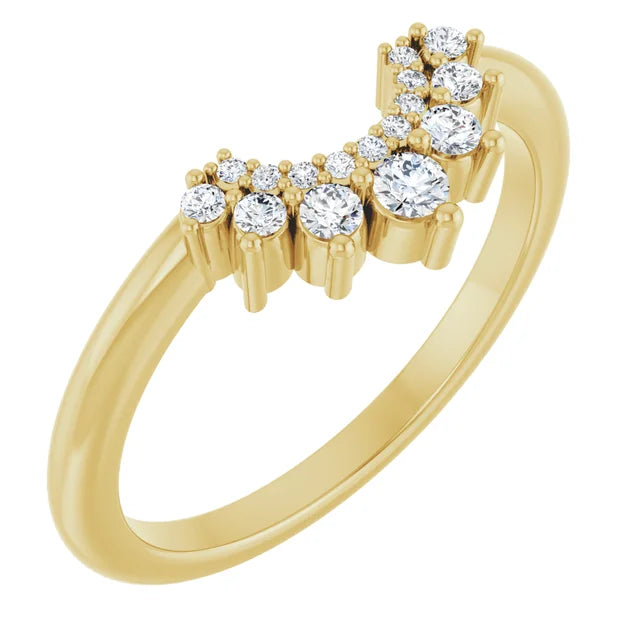
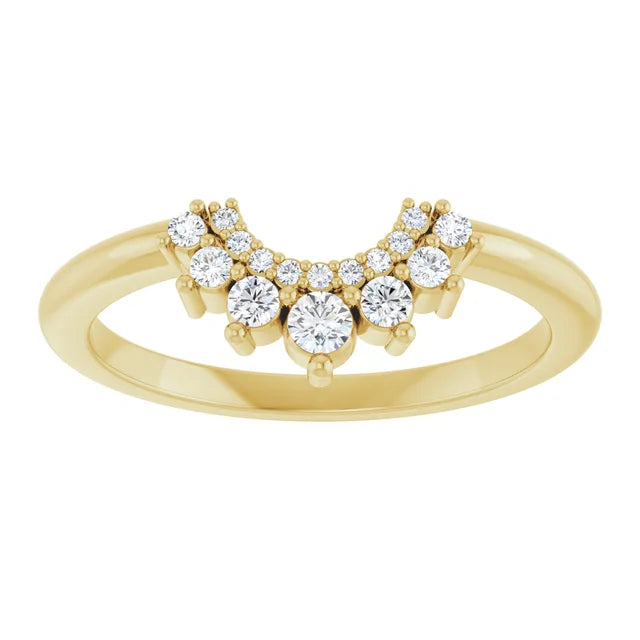
A slim line gold wedding band — delicate and understated for everyday wear
2. The 3mm Wedding Band: Subtle with a Touch of Presence
The 3mm band is often seen as the classic wedding ring. It offers more visual substance than a 2mm band but remains elegant and comfortable for everyday wear.
Consider a typical client who wants something visible but not bold. A 3mm band provides just enough gleam to be noticed, yet stays comfortable throughout the day.
Where 3mm shines:
- Balances comfort with presence
- Works well for both men and women
- Plays nicely with most engagement ring styles
- Durable enough for everyday routines
For anyone unsure of their ideal width, 3mm is a smart starting point. It gives room for subtle engraving and offers broad appeal across styles.

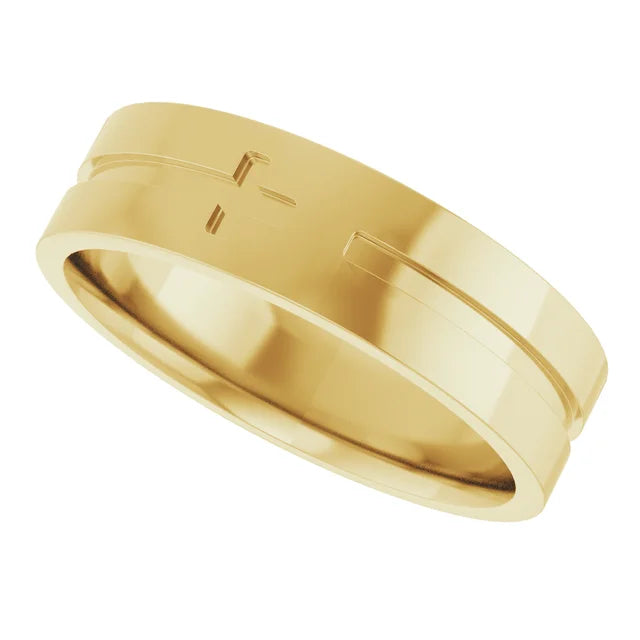
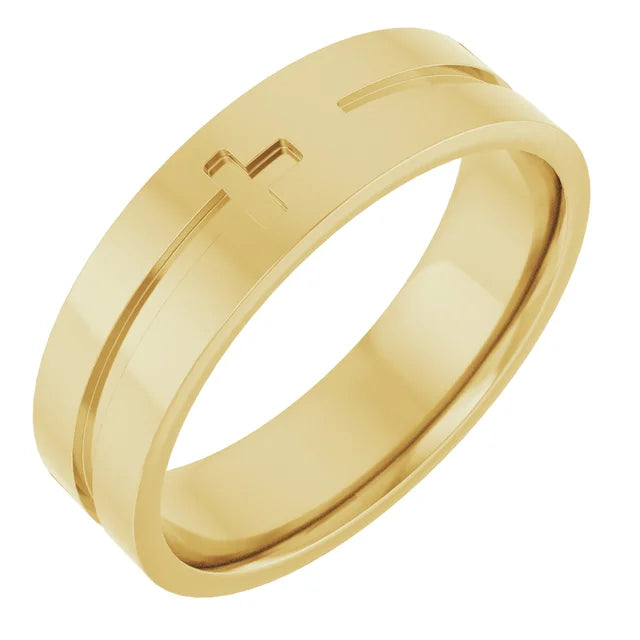
A yellow gold wedding band — the classic choice for everyday elegance
3. The 4mm Wedding Band: Balanced and Noticeable
Moving up to 4mm, the band takes on a more substantial feel and greater presence on the finger. This size often marks the tipping point between subtle and statement.
Greater presence — Compared to 3mm, a 4mm band becomes a noticeable part of your jewellery collection. It feels sturdier and fills more of the finger, creating a sense of balance.
Design opportunities — 4mm bands allow for clearer engraving and custom touches, making them popular choices for those considering bespoke or engraved symbols.
Real-life comfort — Many find this width comfortable for daily wear, and it often suits those with average to broader finger shapes. Matching bands for couples are commonly 4mm, giving visual cohesion without overwhelming either hand.
4. The 5mm Wedding Band: Confident and Substantial
A 5mm band signals confidence, providing obvious presence without taking over the whole finger. Both men and women opt for this band when they desire a ring that feels purposeful and enduring.
Pros:
- Feels reassuring in weight
- Highly durable to everyday knocks
- Significant visual impact
Cons:
- Can feel bulkier on smaller fingers
- Less compatible with delicate, fine engagement rings
Trying on a 5mm ring is the best way to judge comfort and aesthetics. Hand proportions, finger length, and personal style all influence whether this width feels right for you.
5. The 6mm Wedding Band: Making a Statement
A 6mm wedding band stands out the moment it is worn. It is the choice for those who want their ring to be noticed and admired, and who value durability above delicacy.
Picture this: a 6mm band is nearly the full width of a little finger's joint. Its silhouette suits those with longer or broader fingers and is often a favourite for custom, bold designs.
Checklist for considering 6mm rings:
- Try on the band to test comfort during hand movements
- Compare the fit alongside your other jewellery
- Consider daily routines — does the weight suit your lifestyle?
- Ask about custom finishes or design options for added personality
- Think about long-term comfort and possible resizing needs
For those who enjoy statement jewellery, a 6mm band could be the perfect fit, provided they are comfortable with its size and weight.

6. The 7mm Wedding Band: Bold and Distinctive
Distinctive and unique, the 7mm band is often selected by those seeking something truly different, whether through custom shape, detailed engraving, or dramatic finishes.
A client at The Pantiles once chose a 7mm bespoke band for its individuality, matching the width to personal style and incorporating meaningful engravings made possible by the extra surface.
Key points:
- Offers creative freedom for personalisation
- Feels significant and prominent
- Requires careful consideration for comfort and everyday activities
While a 7mm band carries a strong style statement, its width means it is less typical for stacking or pairing with slimmer engagement rings. Maintenance is simple but keeping such a wide ring comfortable can mean extra attention to internal shaping and fit.
7. The 8mm Wedding Band: Maximum Impact and Durability
An 8mm wedding band offers the boldest and most lasting presence. Imagine wearing a piece as wide as a pencil laid flat which is impossible to overlook and intentionally substantial.
What to consider with 8mm bands:
- Maximum visual impact and durability
- Heavy, reassuring feel on the finger
- Ample space for custom engraving or textured finishes
- May feel restrictive for those with smaller hands
- Pairs best with similarly bold jewellery
Choosing 8mm is about confidence and comfort with an assertive look. Before making a decision, it is always wise to try on bands to ensure the fit aligns with your daily activities and preferences.
Real-Life Trade-Offs: Comfort, Style, and Practicality
Choosing your band width is about more than looks. Comfort during work, hobbies, and changing seasons plays a key role. Wider bands often cover more of the finger, which can make them feel snug at times, especially in warmer weather.
Subtle bands offer flexibility and a barely-there sensation, but may require more frequent maintenance. Wider bands stand up well to years of daily wear but can feel heavier initially.
From a jeweller's workshop perspective, resizing and customising becomes easier as band width increases, as there is more material to work with. However, those with smaller hands or active lifestyles may prefer to balance aesthetics with unencumbered movement.
Before you decide, consider these points:
- How do different widths feel when worn for an hour or more?
- Does the width fit comfortably between finger joints?
- Will this band stack neatly or pair well with your engagement ring?
- Are you looking for a discreet piece or a lasting statement?
- Could your daily activities affect longevity or comfort?
How to Try On and Choose Your Ideal Width
Choosing a wedding band is a personal experience, and nothing compares to trying on bands in person. At The Diamond Setter's showroom in Kent, or through a video consultation, you can see and feel the differences side by side, guided by experienced jewellers.
What to expect during your fitting:
- Explore widths from 2mm to 8mm, comparing how each feels and looks on your hand
- Test comfort with different profiles and shapes
- Ask about pairing options if you have an engagement ring
- Discuss custom design, engraving, and finishes
- Receive expert, no-pressure guidance tailored to your preferences and lifestyle
Booking a no-obligation appointment, face-to-face at The UK showroom or by video call, allows you to explore your options in a friendly, relaxed environment. You will be guided by a qualified jeweller who listens first and helps you find the width that truly feels right for you.

Leave a comment