

What is the difference between low-set and high-set rings, and why does it matter day to day?
A low-set ring positions the main stone closer to the finger, creating a sleeker profile, while a high-set ring lifts the stone above the band for greater visibility and presence. This difference affects practical aspects such as comfort, ease of wear, and stone security, making setting height a key consideration for anyone choosing a bespoke ring.
Rings do far more than sparkle on the hand; they interact with your daily routine in subtle ways. One of the most commonly overlooked factors in engagement and wedding ring design is the height at which the gemstone is set. Surprisingly, this detail, known as ring setting height, has a real impact on how a ring feels, wears, and even lasts over time. Many clients are surprised to learn that the way a stone “sits” on the finger can change both the appearance and the feel of the piece.
Setting height simply describes how much the centre stone stands above the band that encircles your finger. To make it clearer:

-
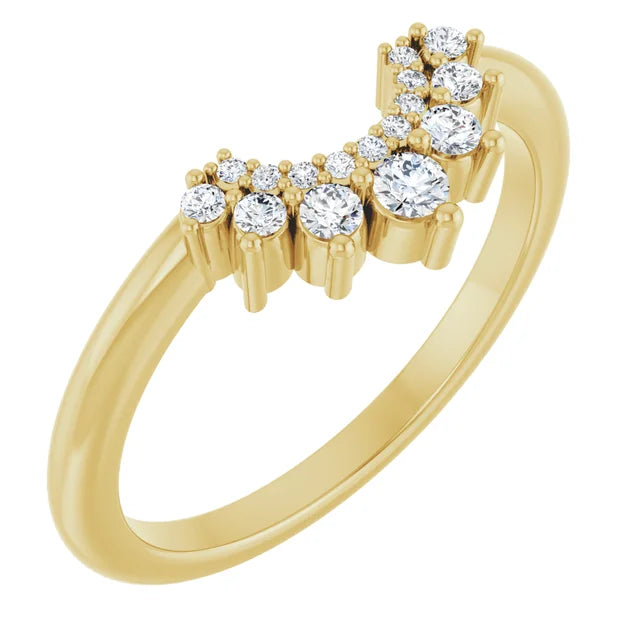
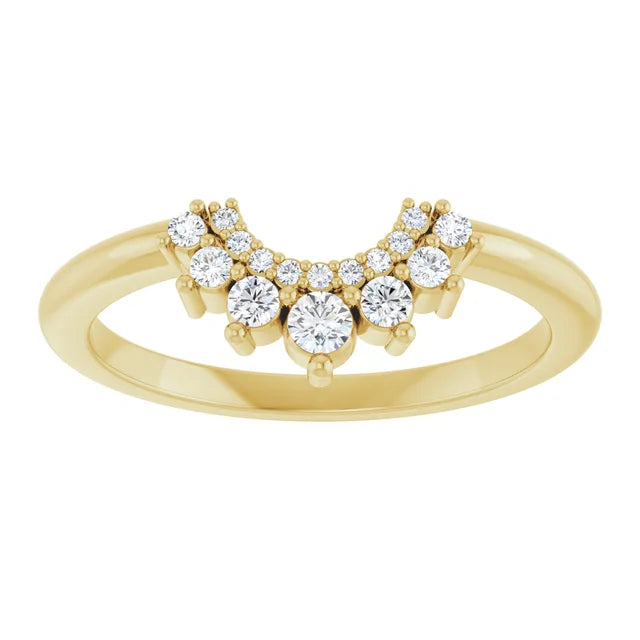
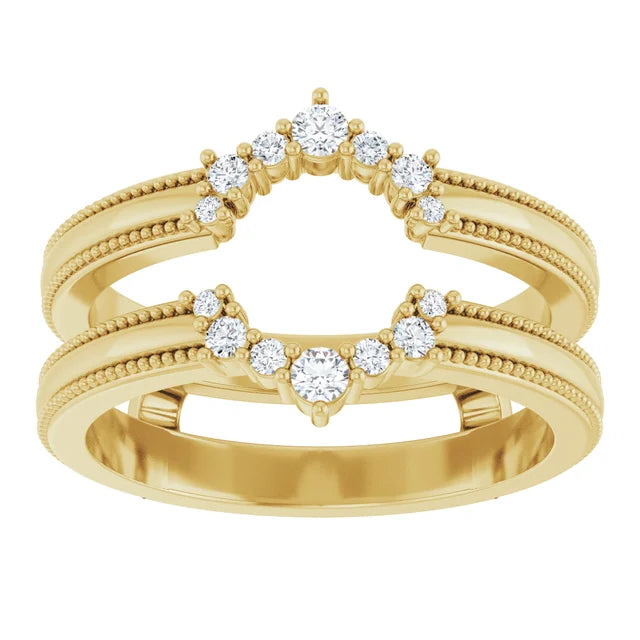
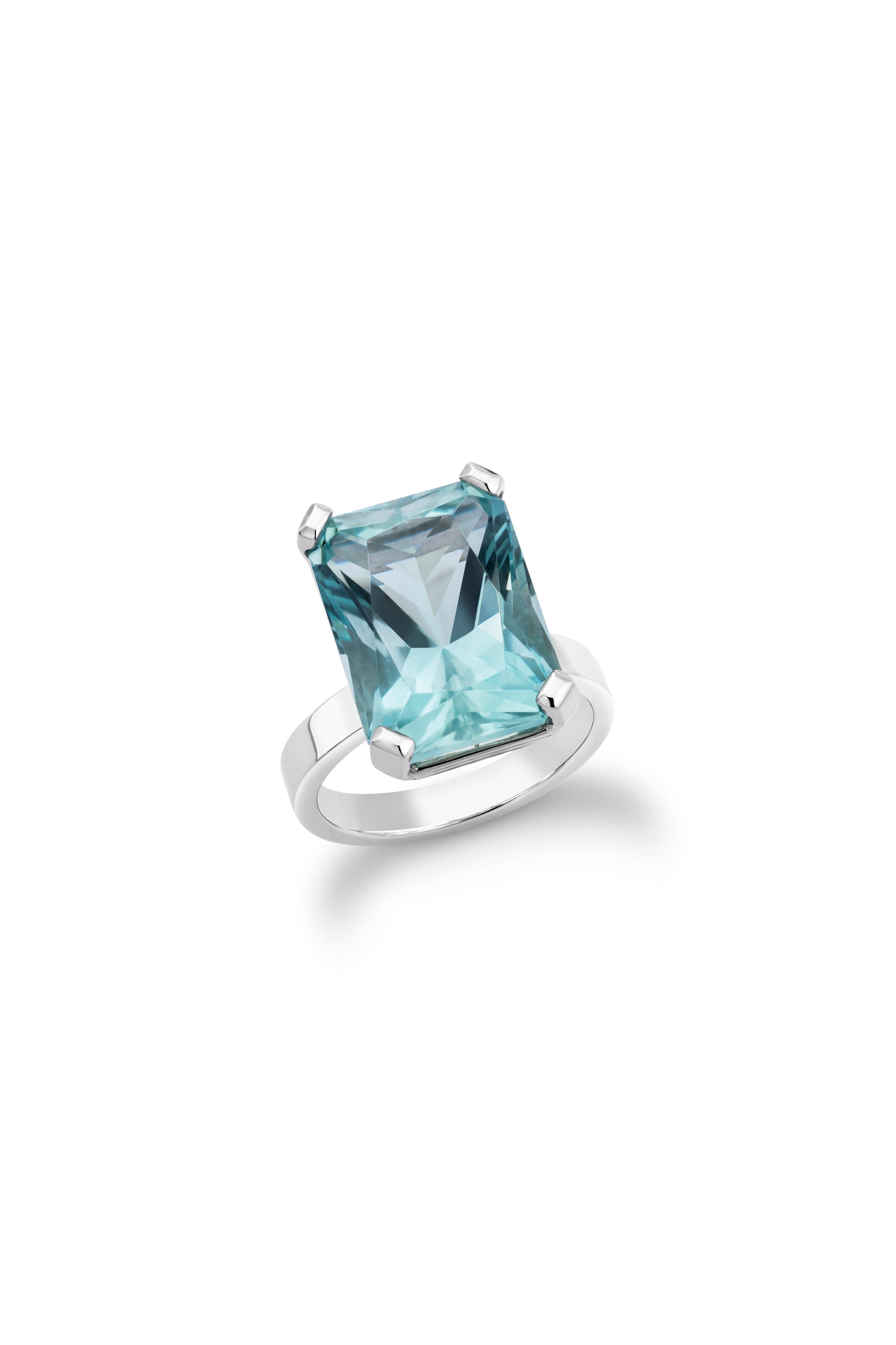
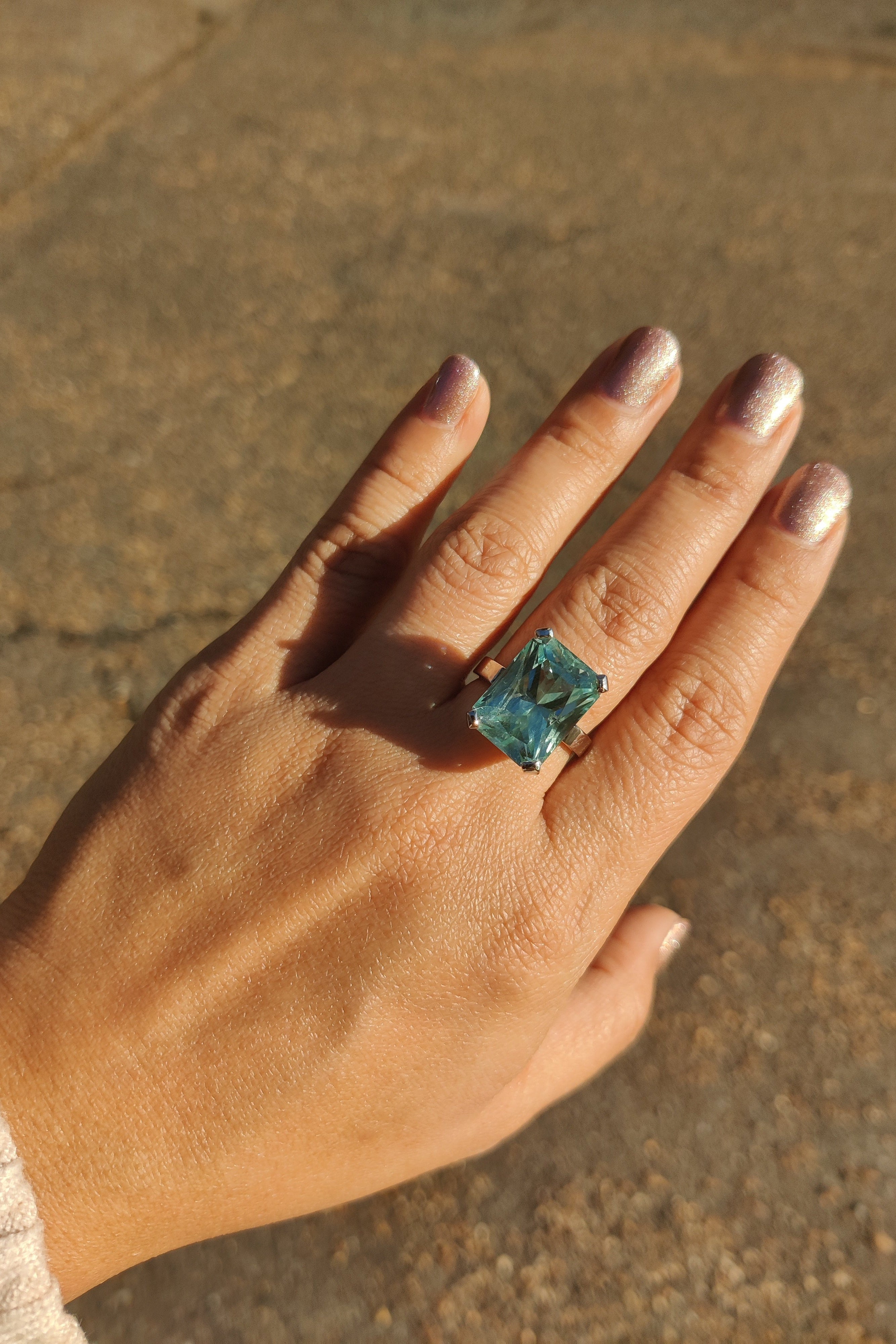
Low-set ring: The main gemstone sits close to the finger. The setting hugs the hand, often with a minimal or protective look.
-
High-set ring: The stone is raised well above the band, making it more prominent and eye-catching from all angles.
 Clients often believe higher settings are more glamorous, while lower ones might appear subtler. In reality, setting height shapes everything from comfort to security. It is worth noting that the height of a ring does not always correlate with stone size or style. Large stones can be set low with clever design, and dainty rings can stand tall if intended. Even the type of setting, such as prong or bezel, affects this, but it does not dictate it.
People rarely ask about setting height during their first visit, yet it has a major influence on daily enjoyment and peace of mind.
Quick Comparison
|
Feature |
Low-Set Ring |
High-Set Ring
|
|---|---|---|
|
Profile |
Sits close to the finger |
Raised above the band |
|
Comfort |
Smooth, less prone to catch |
More noticeable presence |
|
Visual Appearance |
Subtle, modern |
Prominent, classic |
|
Common Settings |
Bezel, rubover |
Prong, cathedral |
|
Everyday Practicality |
Excellent for busy hands |
Eye-catching, but may snag |
Understanding these distinctions leads to better-informed choices, particularly if you are commissioning a bespoke piece at The Diamond Setter’s workshop.
Everyday Practicalities: How Setting Height Affects Comfort and Wear
Imagine pulling on winter gloves, running your hand through your hair, or holding a child’s hand as you walk down the High Street. In these scenarios, the height of your ring’s setting quietly shapes your experience.
A low-set ring often glides more smoothly against skin and fabric. Because the stone sits snugly to the finger, there is much less chance of catching on clothing, gloves, or hair. For those who work with their hands, play sports, or frequently switch between tasks, this design can be especially comfortable.
By contrast, a high-set ring stands out proudly and attracts attention, but that elevation makes it more prone to snagging. Anyone who wears fitted sleeves, puts on gardening gloves, or helps young children with fastenings will notice this difference almost immediately. Over time, frequent knocks can affect both comfort and maintenance needs, as high settings may require more regular inspections or adjustments.
Here is a quick look at how the main factors compare:
-
Comfort Fit: Low-set rings often feel more natural for active daily wear, especially for those sensitive to bulk.
-
Snagging and Knocks: High settings are more likely to catch or be knocked against hard surfaces.
-
Maintenance Needs: Elevated stones experience more impact, increasing the importance of routine professional checks.
Choosing a setting is not just about style. It is about how smoothly your ring integrates into your lifestyle.
Security and Stone Protection: Myths and Realities
A common belief is that a low-set ring offers more protection for the stone, while a high-set ring leaves the stone exposed and vulnerable. In reality, the story is more nuanced.
Myth: “Low settings always keep stones safe from damage.” Fact: While a stone set lower is less likely to be knocked, true protection comes from the way the setting holds the gemstone. A strong bezel setting, whether low or high, often offers more security than a prong setting, which holds the stone with minimal metal.
Myth: “High settings mean stones will fall out or get chipped.” Fact: The risk of losing or damaging a stone relates to how secure the setting design is. High settings can be very secure if crafted with quality materials and attention to detail.
Inspection and maintenance play a important part. Even the best settings experience tiny shifts or wear over the years. The in-house workshop at The Diamond Setter provides clients with reassurance that any ring, high or low, can be regularly checked, adjusted, and kept safe. All work is done onsite by a highly trained team with GIA certification, ensuring your setting provides genuine security.
Stone safety depends on a combination of appropriate setting height, quality craftsmanship, and regular care, rather than setting height alone.
Style, Aesthetics, and Personal Expression
Setting height changes how a ring feels but how it looks to the world, and to you.
A high-set ring creates an elegant silhouette with the stone appearing raised and bold. Light catches the diamond or gemstone from all angles, giving maximum brilliance and creating a dramatic presence. This classic profile often appeals to those who want their ring to stand out and sparkle.
On the other hand, a low-set ring complements a more subtle or contemporary style. The stone seems cradled and integrated with the band, which can make it feel effortlessly modern and practical. This approach often looks especially sleek on smaller hands or where a streamlined look is preferred.
Some design considerations include:
-
Stone Prominence: High settings show off the gemstone, making it appear larger.
-
Movement: Low settings keep the ring close to the hand for effortless, everyday appeal.
-
Personal Style: Those drawn to vintage inspiration might favour cathedrals and high prongs, while minimalists often prefer low-set, bezel details.
At The Diamond Setter, the bespoke process enables you to decide not just the look, but the feel and function of your new ring. Using CAD design and years of hands-on experience, each piece is shaped to reflect individual taste, whether you favour a bold or understated style. This freedom means your ring can be as unique as your personality.
Making the Right Choice: Guidance from The Diamond Setter
Are you drawn to the delicate appearance of a low-set ring, or do you imagine yourself wearing a dramatic, high-set profile? Finding the right answer is easier with personal guidance and hands-on experience.
Before finalising your design, consider:
-
How do you use your hands day to day?
-
Would you prefer minimal upkeep, or are you prepared to take extra care with your ring?
-
What sort of sleeves, gloves, or accessories do you often wear?
-
Are you hoping to highlight a particular stone or keep things subtle?
-
Does comfort or visual presence matter more to you?
In the quiet, welcoming setting of The Diamond Setter’s jewellery store in Kent, you can try on sample rings and discuss your priorities with a skilled jeweller. Thanks to their in-house workshop, design changes and adjustments can be made on the spot, ensuring your finished ring is truly right for you.
Booking your no-obligation appointment, either in person or via video, and means the focus remains on supporting your preferences, not pushing for a sale. Take your time, ask every question, and let an experienced team help translate your ideas into a ring that fits both your style and your everyday life.

Leave a comment